





A plea to dog owners - help prevent livestock worrying and protect wildlife this breeding season
Dog walkers visiting Bodmin Moor are being reminded to keep their dogs on leads until 31 July to help protect ground-nesting birds and other wildlife during breeding season.
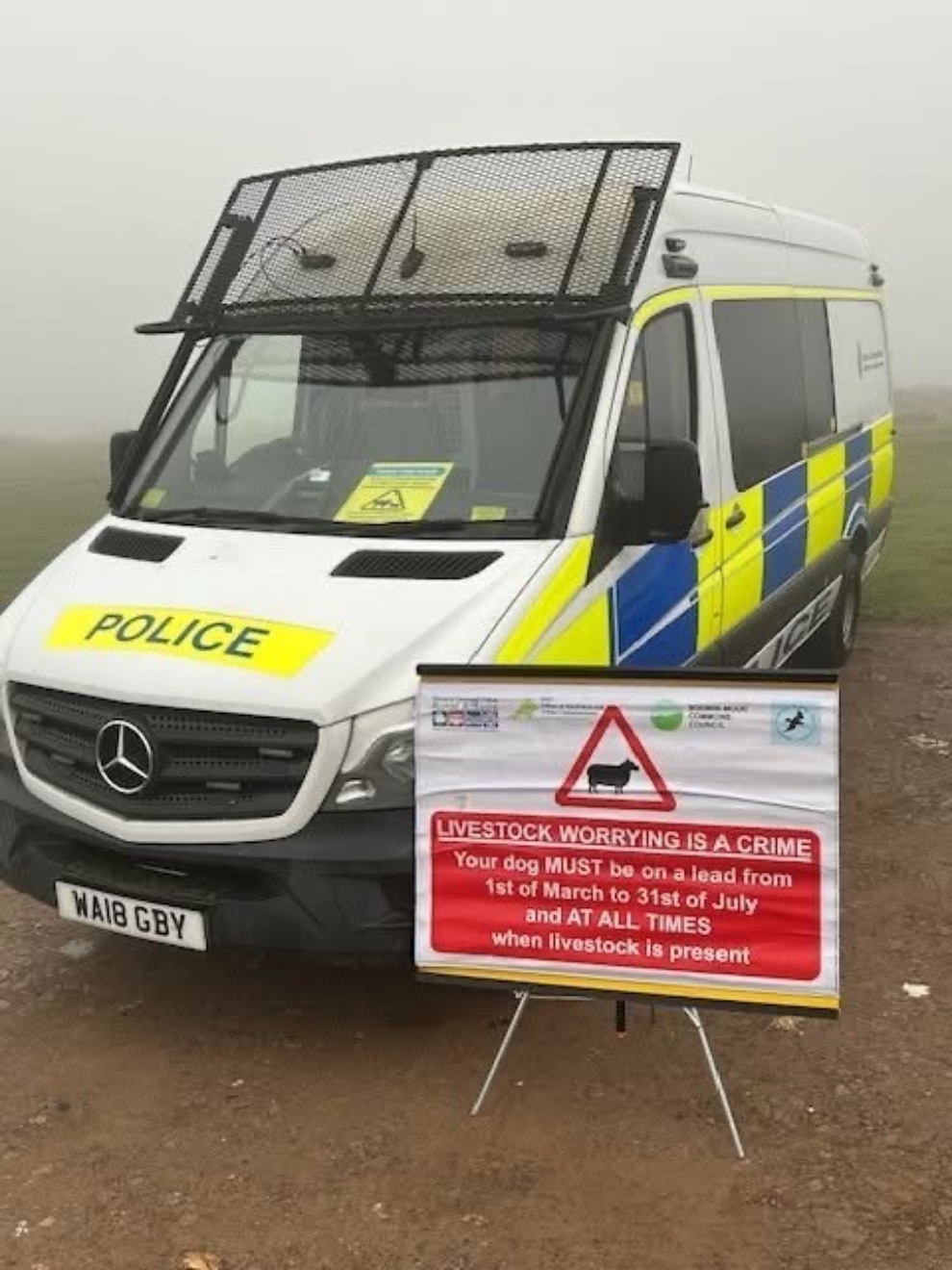
To help spread the word about responsible dog walking on the Moor, two local engagement sessions were held earlier this month.
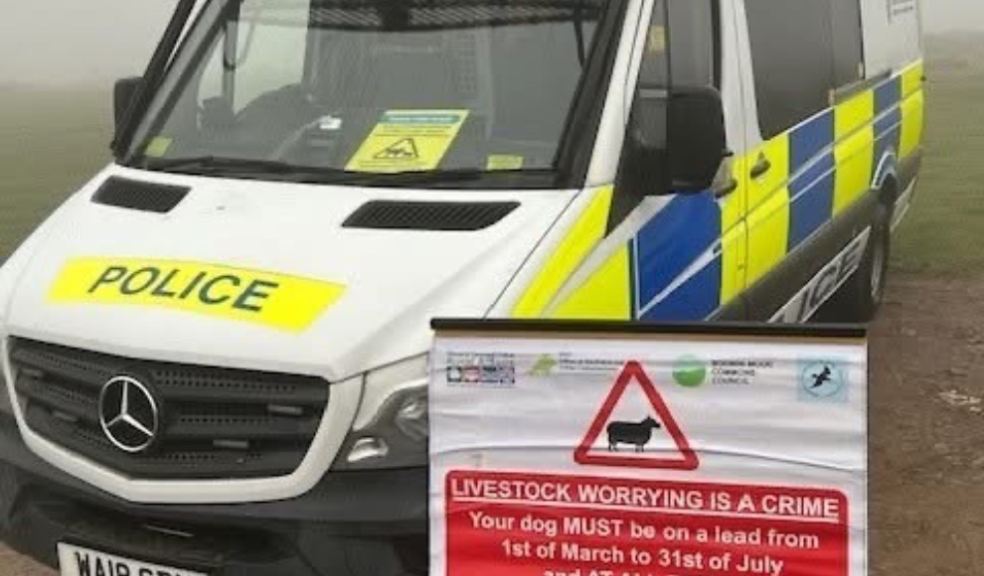
Police joined members of the St Cleer and District Commoners Association at events in Minions and Pensilva to raise awareness of the seasonal restrictions and talk to walkers about their role in protecting wildlife and livestock.
They chatted to passers-by about restrictions under the Countryside and Rights of Way Act from 1 March to 31 July which require dogs to be kept on a fixed length lead of up to two-metres when being walked on open access land, such as the moor.
Owners were also reminded about the importance of keeping dogs on leads when walking in areas near livestock or where livestock are likely to be - this advice applies all year round.
Police Community Support Officer Edser, who attended on behalf of the police, said: “Bodmin Moor is a wonderful place for people and their dogs to enjoy, but it’s also home to a wide range of wildlife and grazing animals.
"From 1 March until 31 July each year, the breeding season for ground‑nesting birds is at its peak, which makes them especially vulnerable to disturbances from dogs who may unintentionally stumble across their nests. .
“We know most dog walkers do the right thing. But even happy, sociable dogs can startle birds or disturb nesting sites by accident.
"It’s not just the birds, livestock grazing in these open areas, including sheep, cows and horses can also be frightened or injured if dogs are allowed to run free. Responsible dog owners help reduce stress on animals and protect the landscapes we all love.”
Rural Affairs Officer Sergeant Julian Fry said: “The overwhelming majority of owners act very responsibly when walking their dogs, which is fantastic to see. Our aim with these messages and events is to educate the small minority who don’t follow best practice so we can bring the number of livestock attacks down.
“When animals are attacked, injuries are often severe and can cause significant suffering, and they also carry an emotional and financial toll for farmers and landowners. This isn’t something police and farmers can fix alone, we need the support of the whole community.”
Sergeant Fry added “If you witness a livestock attack, or if you are a farmer affected by one, please report it. Your reports help us plan activity with partners and focus resources where they’re most needed.
"Thank you to everyone who already walks considerately and looks out for wildlife and livestock.”
Under the Countryside and Rights of Way (CROW) Act 2000, when on open access land dogs must be kept on a short lead (maximum two metres) between 1 March and 31 July each year.
After 31 July, dogs should still be on a lead in areas where livestock are present or likely to be found, but owners should always release if a dog is chased by cattle for safety.
On land not covered by the CROW Act, the advice to place dogs on a lead when around livestock or where they are likely to be applies all year round.
To check maps on where open access land laws apply, visit: Natural England - Open Access & Coastal Access Maps.
To learn about livestock worrying and attacks, please visit: Animal crime | Devon & Cornwall Police
To report livestock attacks, visit: Report a crime | Devon & Cornwall Police or call 101.
If an attack is taking place, call 999.
Officers would like to thank dog owners who comply with these guidelines, helping to safeguard the area’s wildlife.