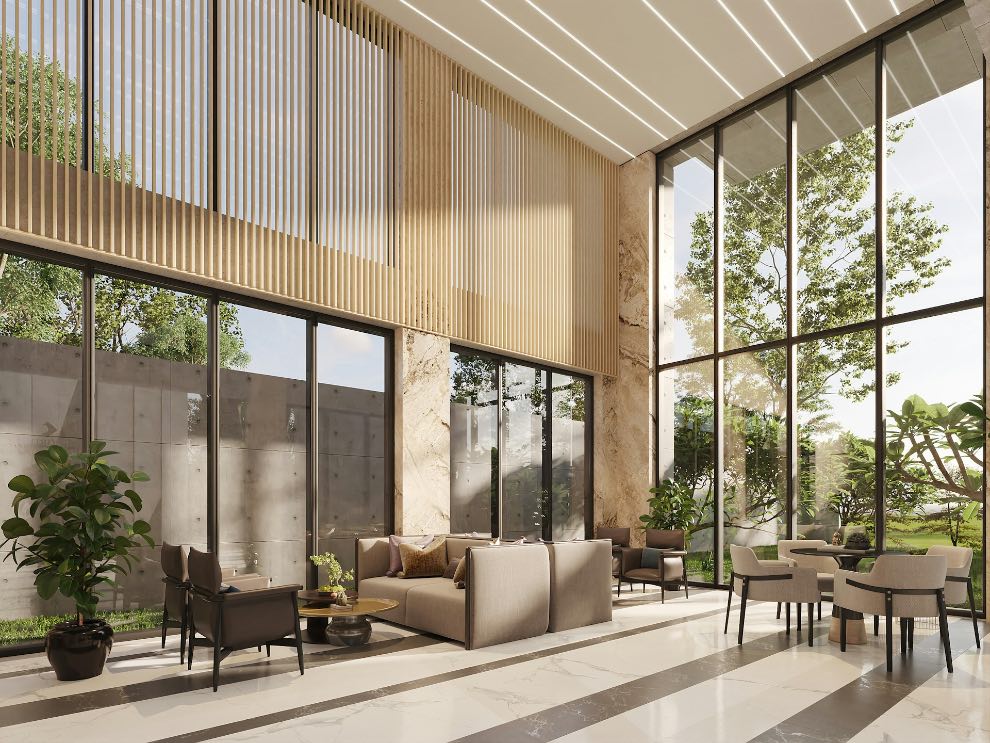







Choosing Between Wood, Metal, and Composite Wall Slats for Different Spaces
Deciding on the right finish for a wall or ceiling beam system can be a daunting task, given the range of options available today. Timber-style finishes offer distinct advantages and aesthetic qualities suited to different commercial environments. To navigate this selection, understanding the specific needs of your space and project brief is crucial. One option worth considering is the MAXISLAT system, a lightweight, fire-rated beam system that's adaptable and versatile, catering to a variety of architectural and interior design needs.
Aesthetic Appeal and Design Versatility
The choice of finish can dramatically alter the appearance and atmosphere of a space. Laminate finishes such as Supalami provide a consistent, hard-wearing timber look across a wide palette of tones, from whitewashed fir to smoked oak and European walnut, making them ideal for large-scale or high-traffic commercial projects. Solid timber and veneer finishes, such as cherry, walnut, ash or steamed beech, bring a more premium, natural grain appearance for feature areas where a closer connection to real wood is the priority. Driftwood-effect finishes offer a distressed, weathered look for projects wanting a more characterful, rustic quality. Bespoke lacquer and stain finishes, including metallic-effect lacquers, are also available where a project calls for something different.
Durability and Maintenance
Durability is an essential factor when specifying beam and slat systems, especially in high-traffic or commercial areas. Laminate finishes are inherently robust and resistant to wear, making them well suited to spaces requiring consistent performance with minimal upkeep. Solid timber and veneer finishes, while offering a premium natural appearance, may need more careful specification in higher-humidity environments. Whichever finish is chosen, systems that are factory-finished and tested as fully assembled units reduce the risk of inconsistent performance once installed.
Acoustic Properties
Acoustic performance is another important consideration, particularly in offices, auditoriums or public buildings where sound control matters. Beam and slat systems can be specified with integrated acoustic backing to help manage reverberation and improve sound absorption within a space. The spacing, depth and configuration of the beams also play a significant role in acoustic performance, alongside the finish itself, so acoustic requirements should be discussed with the manufacturer at the specification stage.
Compliance Considerations
For any commercial project, fire performance is a non-negotiable factor alongside aesthetics. Systems such as MAXISLAT are tested to EN 13501-1 as fully assembled units and classified as Euroclass B-s2,d0, giving confidence that the finish, backing and construction all perform together, rather than relying on individual component ratings. This is particularly important in offices, hospitality venues, education settings and public sector buildings where fire regulations are strictly enforced.
Environmental Impact
In today's environmentally conscious world, the sustainability of material choice cannot be underestimated. Timber-style beam and slat systems can be manufactured using FSC® certified materials, supporting responsible sourcing. Increasingly, systems are also assessed for indoor air quality, with VOC emissions testing and compliance with standards such as BREEAM and the WELL Building Standard helping projects meet wider environmental and wellbeing targets. Evaluating a manufacturer's sustainability and air quality credentials is an important part of making a responsible specification choice.
Ultimately, choosing the right finish for a wall or ceiling beam system involves careful consideration of aesthetics, durability, acoustics, fire compliance and environmental impact. Each finish has its place, and understanding the specific needs of a project will guide the best decision. Whatever the choice, the right beam and slat system can transform a commercial interior, adding both functionality and beauty.