





Rethinking Traditional Garden Fencing
In many British gardens, fencing is simply part of the background. It marks a boundary, keeps pets in, offers a bit of privacy from next door. Yet anyone who has replaced a fence more than once knows it’s rarely a small job. Panels loosen, posts lean, and before long the whole structure begins to look tired. Given how damp our climate can be, it’s hardly surprising.
The Problem with Timber in a Damp Climate
Timber has long been the default choice for garden fencing. It’s widely available, relatively affordable and fits comfortably into almost any setting. Freshly installed wooden panels can look smart and reassuringly solid. The issue tends to emerge a few seasons later. In the UK, humidity levels remain high for much of the year. Even when it isn’t raining, the air carries moisture. Over time, wood absorbs that moisture, especially where it comes into direct contact with the soil. The weakest point is usually the fence posts, which sit partially buried in damp ground and are expected to support the entire run of fencing. Once those posts begin to rot at the base, everything above them is compromised.
Regular treatment can slow the process, but it rarely stops it entirely. Preservatives, stains and paints need to be applied again and again. Miss a year, and the difference shows. Warping, splitting and fungal decay are common, particularly in shaded gardens where sunlight doesn’t have much chance to dry things out.
A More Durable Alternative
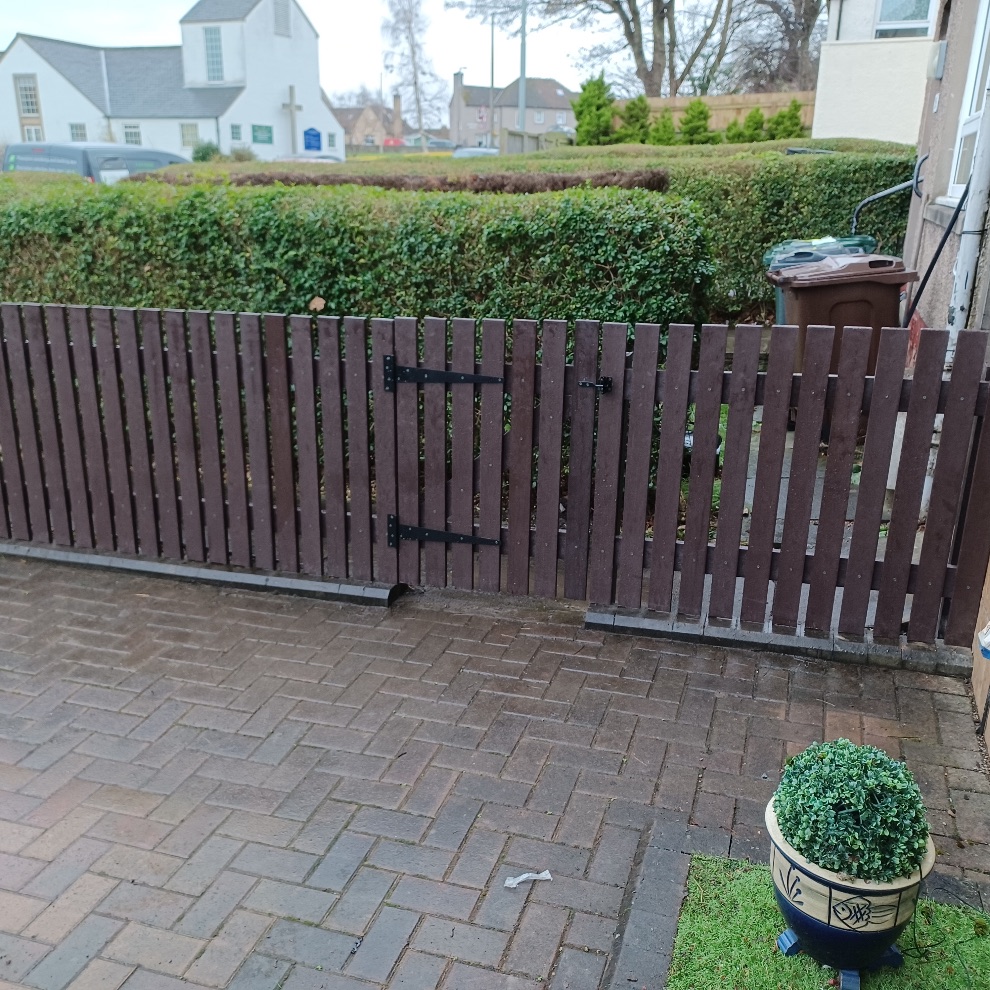
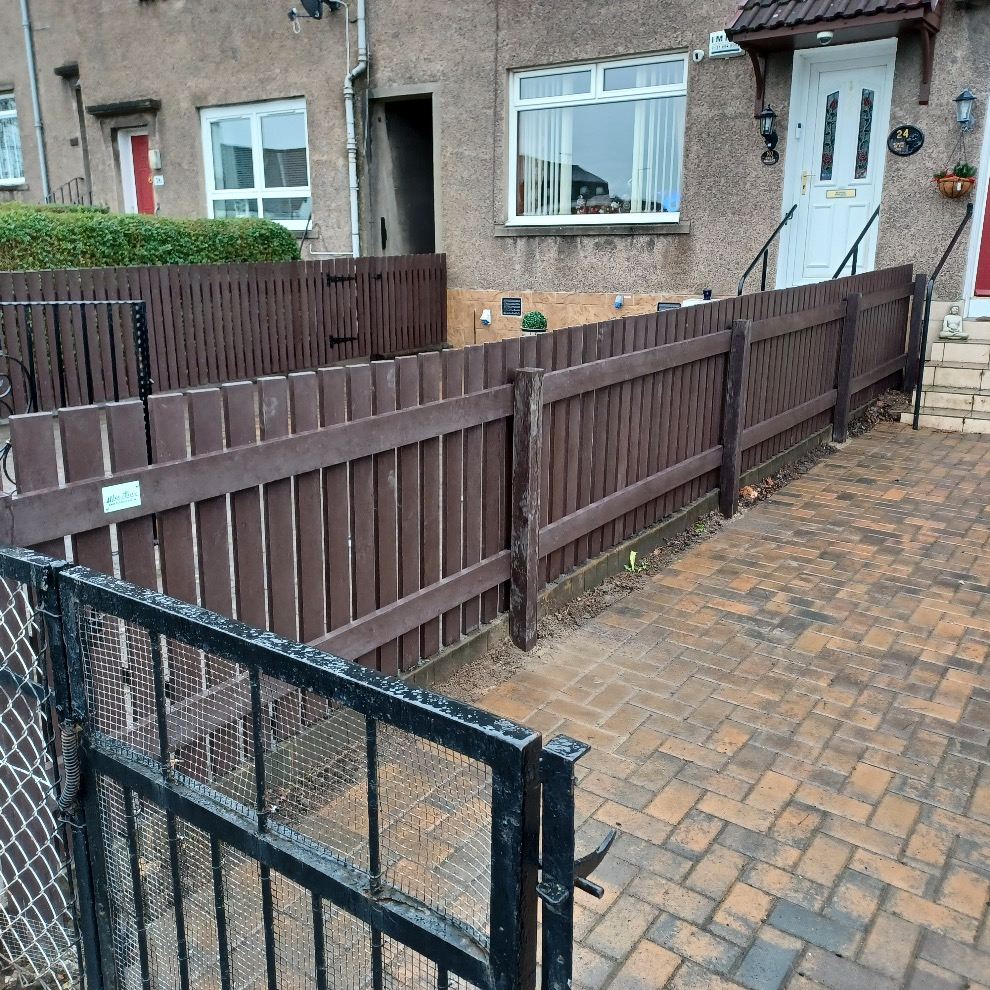
This is where plastic fencing components have started to attract attention. Recycled plastic posts, boards and panels are designed with long-term exposure in mind. Unlike wood, they do not absorb moisture, and they won’t rot below ground level. The section buried in soil remains structurally sound year after year, which makes the overall fence far more stable.
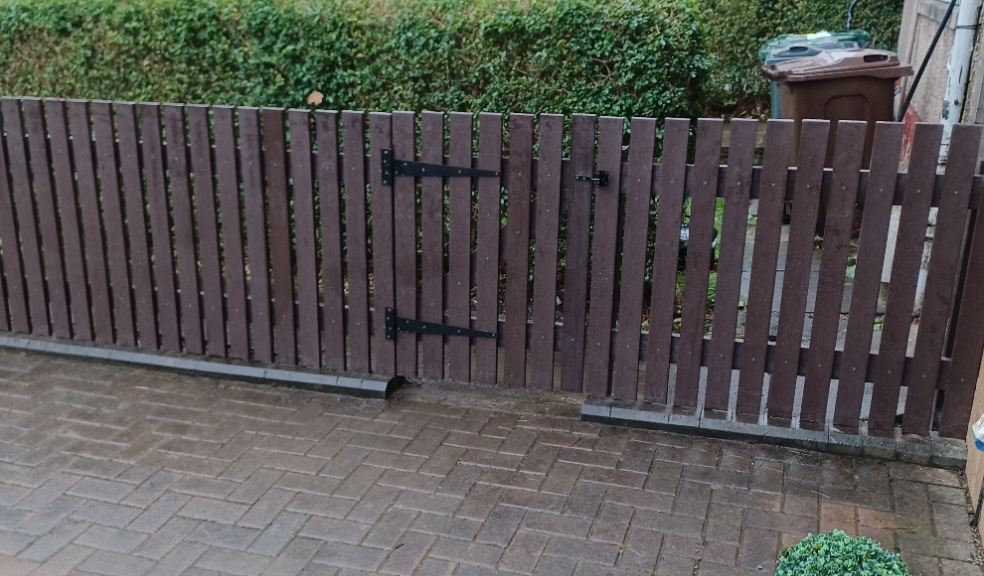
What often surprises people is how natural these materials can look. Modern recycled plastic fencing elements are available in muted tones and finishes that resemble painted or stained timber. From a short distance, most visitors wouldn’t immediately spot the difference.
There’s also the practical side. Plastic fencing does not require sanding, sealing or repainting. A quick rinse with a hose is generally enough to keep it tidy. For anyone who has spent a weekend balancing on uneven ground with a brush and a tin of wood treatment, that simplicity feels like a quiet relief.
Environmental Considerations
Another factor that increasingly influences gardening decisions is environmental impact. Traditional wooden fencing relies on chemical preservatives to prolong its life. Those chemicals can gradually leach into the ground. By contrast, recycled plastic fencing needs no such treatment.
Because it is made from repurposed plastic, it also gives existing materials a second life instead of drawing on freshly cut timber. It reduces demand for new resources and helps keep waste out of landfill.
A Long-Term View of the Garden
Gardening, at its best, is about thinking ahead. Trees are planted with decades in mind, borders are shaped knowing they will mature over time. Fencing should be approached in the same way. While timber will always have its admirers, it does come with an ongoing commitment to maintenance.
Plastic fencing elements offer a different kind of promise – one based on stability and reduced upkeep. In a climate where damp conditions are the norm rather than the exception, that resilience can make all the difference. Over the years, fewer repairs and replacements mean less disruption to the garden and less expense overall.
For many households, that steady reliability is reason enough to consider making the change.
Image source: LL Plastic