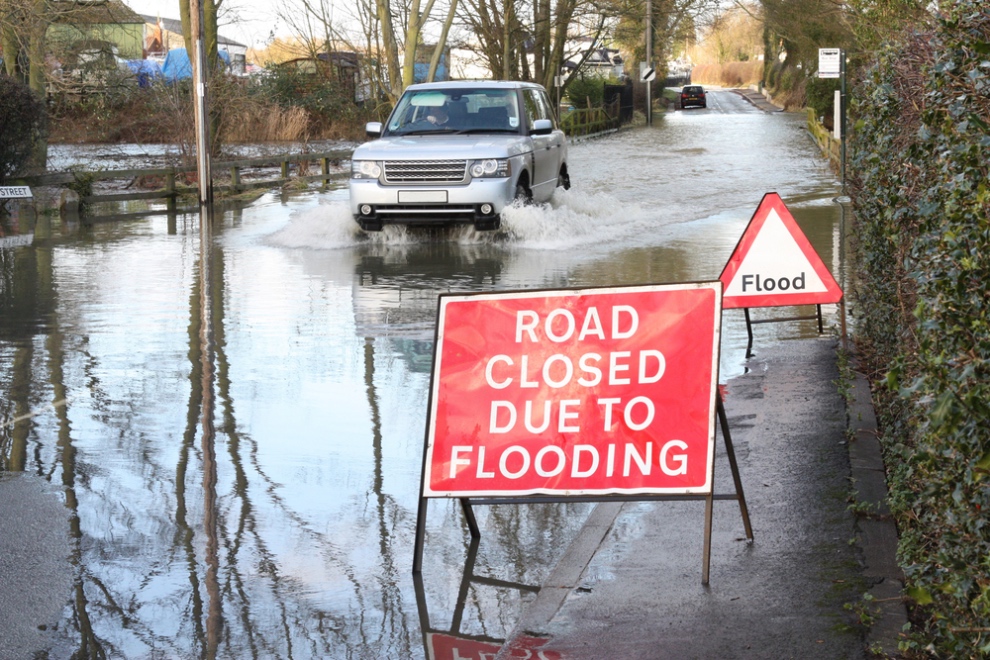






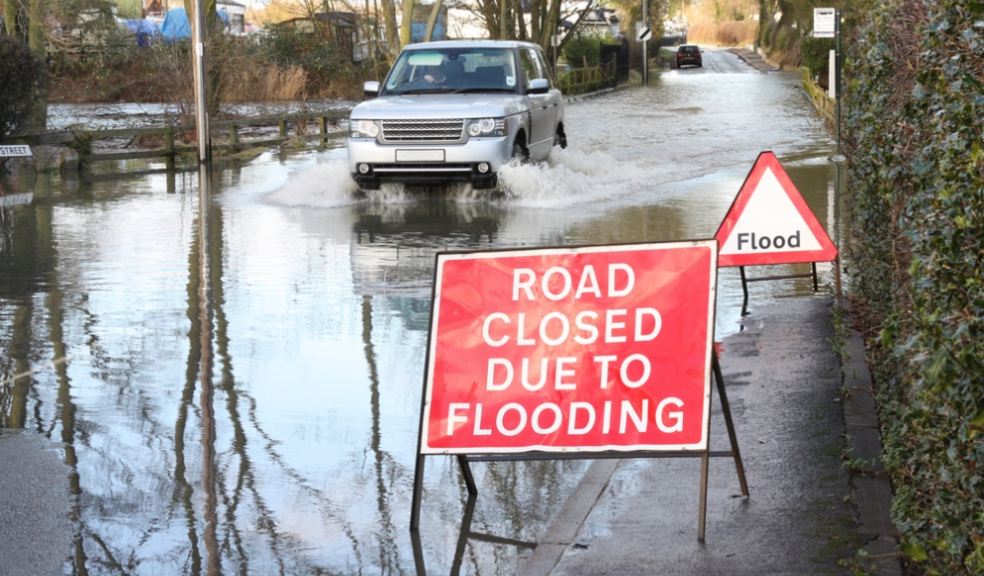
Car Care in the Wet and Rainy Climate of Devon
Driving in Devon offers breathtaking scenery, from rugged coastlines to rolling hills. However, the region's wet and rainy climate poses unique challenges for car owners and tourists alike. Proper maintenance is crucial to ensure vehicle safety, prolong the life of components, and avoid unexpected repair costs. This guide covers essential car care tips for navigating Devon’s roads safely, with a focus on suspension, tires, and common hazards created by wet conditions.
The Challenges of Devon’s Rainy Climate
Devon is known for frequent rainfall and high humidity, which can have both immediate and long-term effects on vehicles. Constant exposure to moisture accelerates corrosion, especially on metal parts such as brake components, exhaust systems, and the undercarriage. The roads are often slick, reducing tire grip, which increases stopping distances and the risk of accidents. Potholes and uneven road surfaces are particularly dangerous during rain, as water can conceal these hazards, leading to potential suspension damage.
In addition to corrosion, moisture can affect electronic components in modern vehicles. Sensors, wiring harnesses, and control modules may malfunction if exposed to water for extended periods, making regular inspection even more critical.
Suspension and Shock Absorbers
The rainy roads of Devon make the suspension system one of the most critical areas to monitor. Potholes hidden by water can cause serious damage to the suspension, especially to shock absorbers and springs. According to an expert from AUTODOC: "A shock absorber can get damaged due to factors like everyday wear, rough driving conditions, impacts from potholes or road accidents, and contamination. Corrosion from water, dirt, or road salt can deteriorate the seals and shock components."
Shock absorbers control the rebound of the springs, ensuring the tires maintain contact with the road. Damaged shocks reduce stability, making steering less precise and increasing the likelihood of accidents on wet roads. Therefore, periodic inspection is essential, particularly before long trips or during the rainy season.
Tires and Road Grip
Tires are the primary point of contact between a vehicle and the road. In Devon, wet conditions amplify the importance of tire maintenance. Low tread depth, underinflated tires, or uneven wear can drastically reduce grip, increase braking distances, and heighten the risk of aquaplaning. Drivers should check tires regularly for:
- Adequate tread depth (minimum 1.6 mm)
- Correct tire pressure
- Even wear across all tires
- Signs of cracking or damage
Proper tire care is crucial to navigate the hidden potholes and slippery surfaces common in the region.
Recommended Maintenance for Wet Climate Conditions
|
Component |
Recommended Check Frequency |
Risks of Neglect |
Practical Tips |
|
Suspension & Shock Absorbers |
Every 10,000–15,000 km |
Poor handling, increased wear on tires, suspension failure |
Inspect shocks, springs, and struts; replace if damaged |
|
Tires |
Monthly + before trips |
Reduced grip, aquaplaning, accidents |
Check tread depth ≥ 1.6 mm, tire pressure |
|
Brakes |
Every 10,000 km |
Longer stopping distance, uneven wear |
Inspect pads, discs, and fluid |
|
Undercarriage & bodywork |
Seasonally |
Rust, corrosion |
Clean underside, apply anti-rust coating |
|
Lights & electronics |
Monthly |
Reduced visibility, malfunction |
Check headlights, indicators, and sensors |
The table shows which vehicle checks are particularly important in Devon's rainy and humid climate. It includes suspension and shock absorbers, tires, brakes, the underside of the car, and lights, and indicates the frequency of checks, the possible consequences of ignoring them (accidents, loss of control, corrosion, fines), and practical maintenance tips for safe driving.
Comparative Statistics: Effects of Wet Roads
- 45% of suspension failures reported in Devon occur after vehicles hit hidden potholes during rain.
- 30% of accidents in the county involve vehicles with worn tires losing grip on wet surfaces.
- 25% of breakdowns relate to neglected undercarriage maintenance, leading to rust and corrosion.
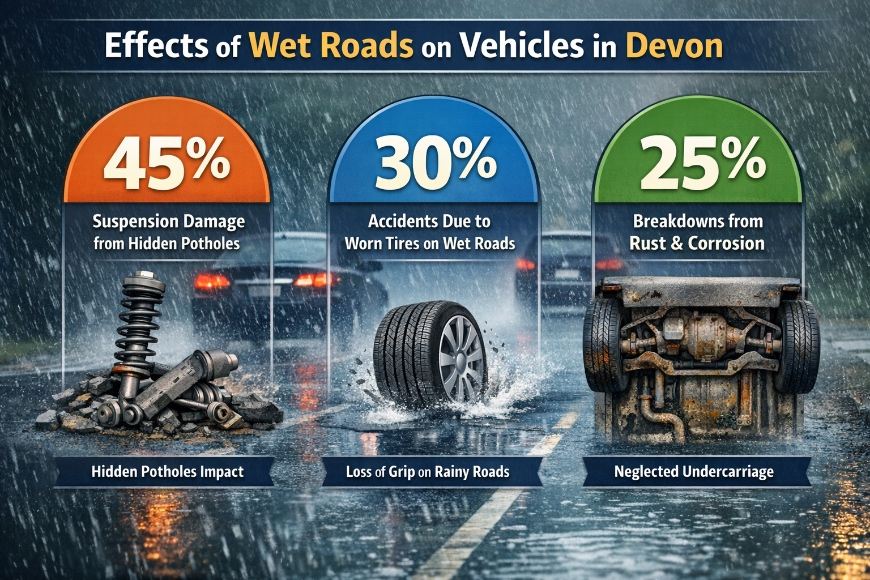
These statistics highlight how wet conditions accelerate wear and underline the importance of proactive vehicle care.
Corrosion Protection and Routine Maintenance
Devon’s climate increases the risk of corrosion. Regular washing, especially the underbody, helps remove dirt, salt, and moisture that promote rust. Protective coatings on the chassis, wheel arches, and suspension components can provide an additional barrier. Routine checks and timely replacement of worn parts ensure vehicles remain safe and reliable.
Practical Driving Tips
When driving in Devon’s wet and rainy climate, it’s important not only to follow basic precautions but also to adopt a mindset of careful anticipation. Wet roads can hide hazards such as potholes or uneven surfaces, which can put significant stress on the suspension and damage shock absorbers over time. Drivers should adjust their speed and maintain a safe distance from other vehicles, especially on rural or less maintained roads where drainage may be poor.
Proper vehicle preparation is equally crucial. Ensuring that tires have adequate tread depth and correct pressure, brakes are responsive, and lights are fully functional will reduce the risk of accidents. Frequent inspections after heavy rain or long journeys help detect early signs of wear or damage, particularly to components like the undercarriage and suspension system. Even small preventative measures, such as washing the vehicle regularly to remove mud and salt, can significantly extend the life of your car in Devon’s damp climate.
By combining cautious driving habits with regular maintenance, drivers can safely enjoy the scenic routes of Devon while minimizing the risk of mechanical issues or accidents caused by wet roads. Paying attention to these details ensures that both the vehicle and its passengers remain safe and prepared for the unpredictable weather conditions typical of the region.
Useful information:
More about car shock absorbers at onlinecarparts.co.uk
https://www.mg.co.uk/blog/tips-driving-rain
FAQ
1. How often should I check my suspension in Devon?
Ideally, every 10,000–15,000 km, or sooner if you notice unusual handling or noises over bumps.
2. Can rain really damage my car suspension?
Yes, hidden potholes and uneven wet roads can impact shock absorbers and springs, reducing stability.
3. What is the minimum tread depth for safe driving?
Tires should have at least 1.6 mm tread depth to maintain grip on wet roads.
4. How can I prevent corrosion in a rainy climate?
Regular washing, underbody cleaning, and applying anti-rust coatings help protect your vehicle.
5. Where can I get professional advice for car maintenance in Devon?
Authorized service centers offer advice and high-quality spare parts.