





How Weekend Markets Shape Local Food and Craft Culture
Weekend markets have a way of changing how you see everyday things. What starts as a simple morning out often becomes something more considered. You slow down, notice details, and pay attention to where things come from. Food and drink taste better, objects feel more meaningful, and the experience stays with you long after you leave. That influence reaches further than most people realise.
Where Food Feels Real Again
At a weekend market, food stops feeling anonymous. You’re not choosing between identical items lined up under bright lights, as you might at street markets built for speed. You’re standing in front of someone who knows exactly what’s in season and what’s worth buying that day. That makes each choice more deliberate and easier to trust.
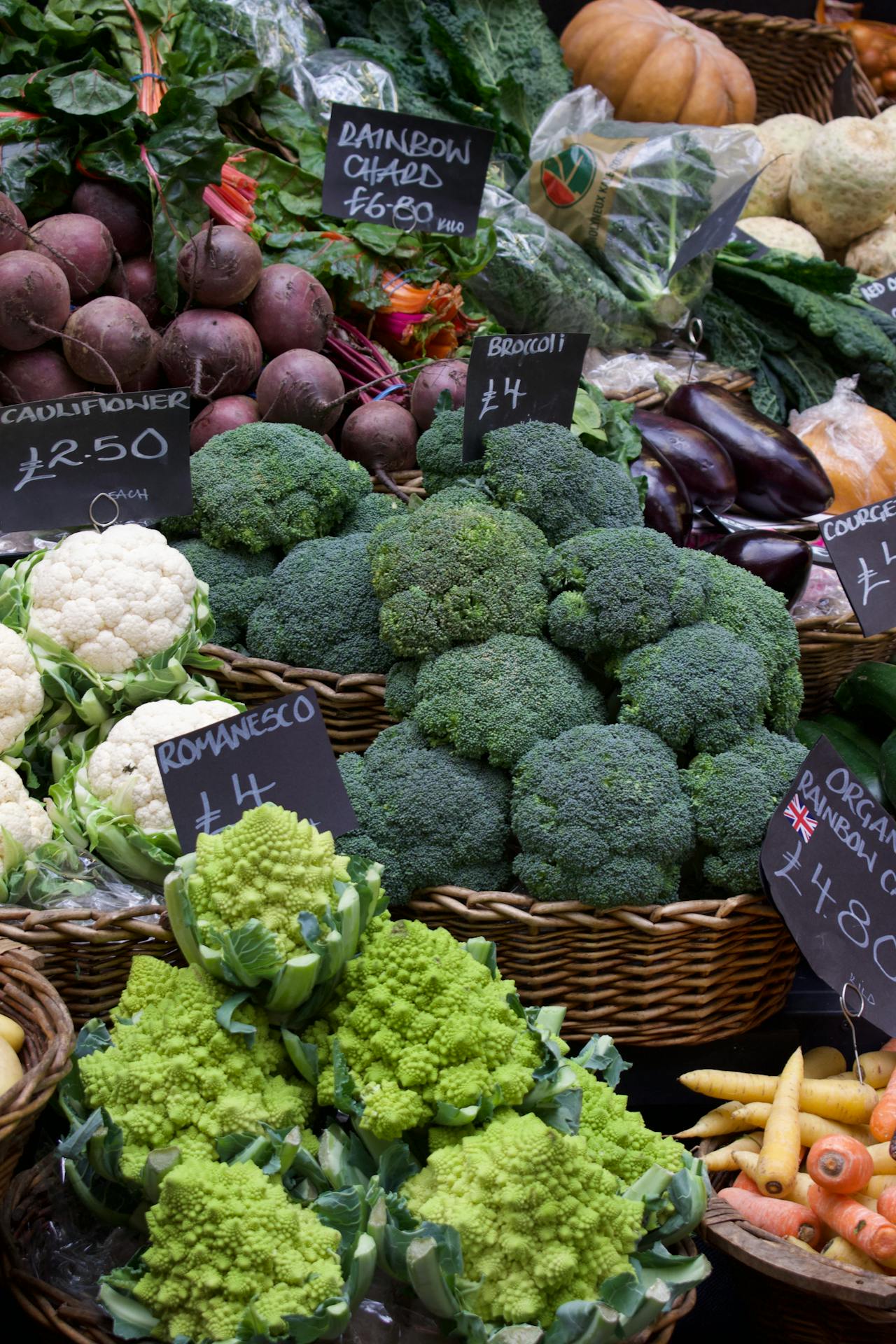
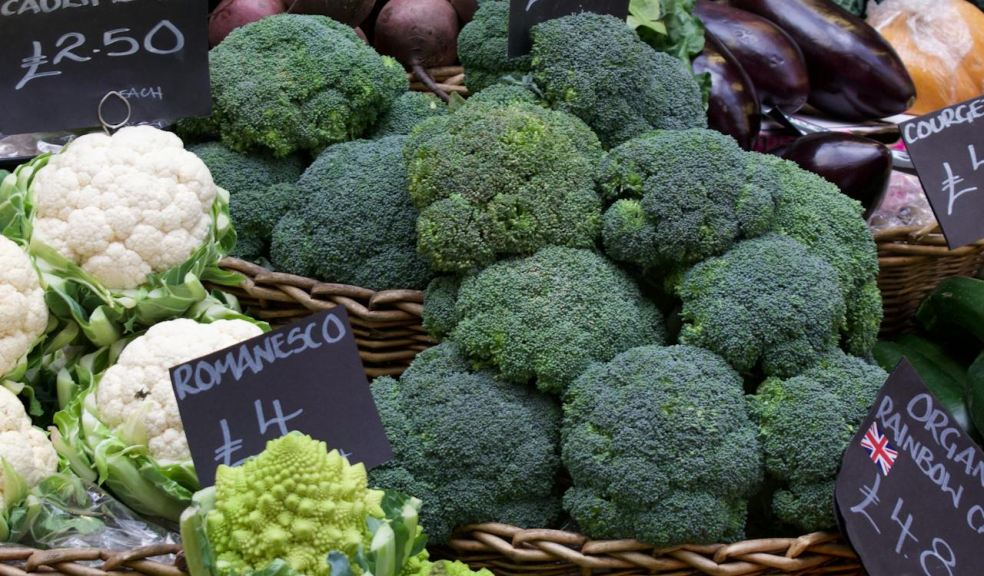
Conversations happen naturally. You ask how something was grown or how it’s best used, and you get a direct answer instead of a label. Baskets filled with fruit and vegetables often come with advice on storage or simple ways to cook them. Those small exchanges change how you approach meals at home.
This experience is easy to recognise at places like Peth Markets, where food is handled with pride and sold without fuss. You’ll often find artisan produce such as fresh bread, small-batch olive oil, or seasonal preserves alongside everyday staples. The setting encourages you to look closely, ask questions, and choose what makes sense for you.
Craft That Shows Its Making
Markets also change how you look at handmade crafts. When you can see the person who made something, you notice details you’d otherwise miss. The weight of a mug, the finish on a bag, or a piece of wall decor all feel more intentional. These items don’t feel mass-produced because they aren’t.
Each piece reflects time and repetition. Many stalls are run by craft makers who focus on doing one thing well and refining it over the years. That care shows in how the item feels and how it holds up. It’s the difference between something you keep and something you replace.
Buying craft in this setting feels considered. You might be drawn to independent art or work by local artists who sell directly rather than through galleries. These purchases feel settled, not impulsive, because you understand where they came from and why they exist.
Changing How You Buy and Use Things
Markets influence how you make choices outside them. You start thinking in terms of meals rather than ingredients, often sparked by casual cooking demonstrations that show how simple dishes come together. You buy what looks good now instead of sticking to the same items every week. That often leads to less waste and more enjoyable cooking.
Seasonal buying becomes familiar. Visiting seasonal Sunday markets helps you notice when certain produce appears and when it fades. That awareness brings variety into your kitchen without effort. Food feels timely rather than repetitive.
The same approach applies to non-food items. From local gifts to practical finds like pet supplies, you wait until something fits your needs instead of filling gaps. Your space becomes more personal as a result. Isn’t that what thoughtful buying should lead to?
Supporting Local Work in a Direct Way
Spending money at weekend markets supports people in a straightforward way. At town markets and smaller artisan market setups, there’s little distance between buyer and maker. You know where your money goes, and that matters more than it sounds. It creates a sense of responsibility on both sides.
Sellers notice returning faces. They remember preferences and make recommendations that feel useful, not sales-driven. You might be introduced to vegan soaps, a new food stall, or small pop-up events that rotate through the market. That familiarity builds trust and makes each visit easier.
This kind of support helps small producers keep doing what they do well. It also encourages shopping local in a way that feels natural, not forced. In return, you get better quality, stronger relationships, and more food inspiration to take home with you.
Markets As Social Spaces Without Pressure
Weekend markets bring people together without forcing interaction. Everyone is there for their own reason, yet the space invites shared moments, especially when you’re heading out for the weekend with no strict agenda. Conversations start while waiting, tasting, or comparing produce. You hear ideas, opinions, and tips without seeking them out.
There’s comfort in seeing familiar faces week after week. Children learn what food looks like before it’s packed away. New visitors pick up on the pace by watching others move through the stalls. The environment teaches without needing direction.
These spaces become part of the local routine. They shape weekends and give people something to look forward to. That sense of belonging grows naturally and keeps markets relevant beyond shopping.
Final Thoughts
Weekend markets shape local food and craft culture through everyday choices. They encourage care, attention, and connection without asking for much in return. What you bring home carries more meaning because you chose it well. That influence doesn’t stop at the market gate. It shows up in how you eat, how you shop, and how you value the work of others.