





Shining a light on Devon's sea grass bed
Some of Devon’s most beautiful and charismatic marine creatures, including seahorses and cuttlefish, will benefit from new research work being undertaken into their underwater world.
Throughout the summer marine conservation and fisheries management bodies will be working together, carrying out new surveys of sea grass beds off the South Devon coast. Information collected by the Devon and Seven Inshore Fisheries and Conservation Authority and the charity Devon Wildlife Trust will be used to help the management of some of the county’s most important marine protected areas in Torbay, Salcombe Estuary and Plymouth Sound.
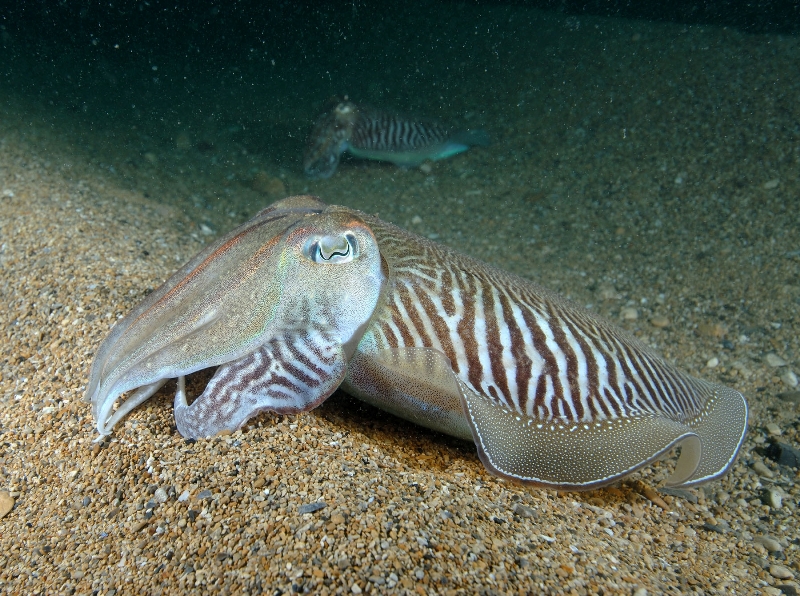
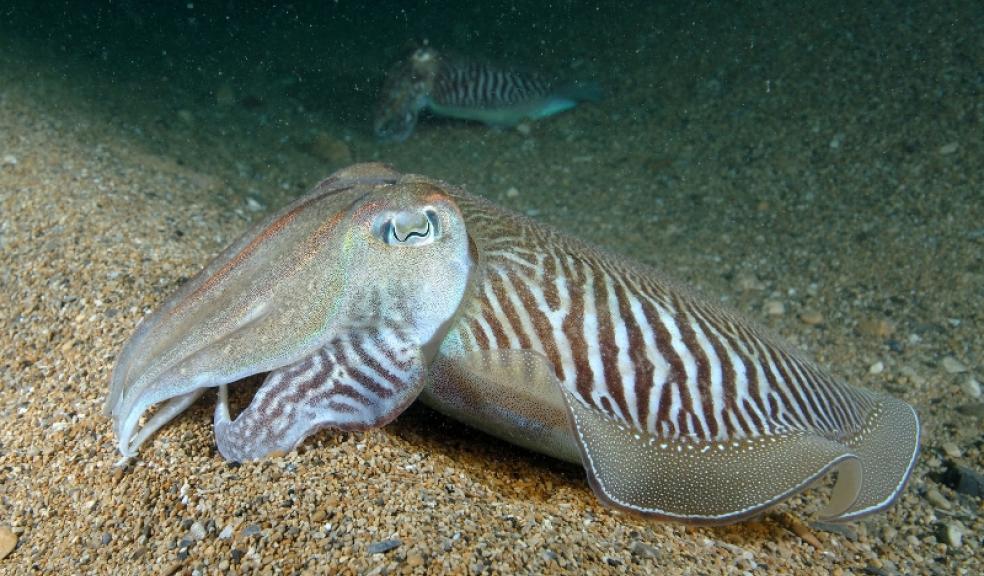
Sea grass (also known as eel-grass) is a flowering plant that grows on sandy seabed habitats in shallow waters off our coasts. It stabilises shifting sands and provides a refuge for many marine wildlife species. Perhaps best known is the rare and enigmatic seahorse which uses sea grass beds as nursery areas. Similarly the colourful cuttlefish comes close to shore to breed and lays eggs amongst sea grass fronds. But sea grass beds are easily damaged by human activities and so are protected in key areas off South Devon.
Richard White, Senior Marine Officer with Devon Wildlife Trust explains, “It’s not just about the wildlife, it is in everyone’s interest that we protect these seabed habitats. Sea grass beds are important nursery areas for commercial fish species and can help with coast protection and carbon capture. We would all be worse off without them. That’s why Devon Wildlife Trust is pleased to be able to help gather more information to improve their protection.”
Underwater video cameras, flown above the seabed beneath the IFCA survey vessel, will capture images that will be later analysed to assess the size, distribution and condition of sea grass beds.
Sarah Clark, Deputy Chief Officer of Devon and Seven IFCA leads on the organisation’s environmental programme, ‘We will be able to use information on the extent of sea grass beds to better protect these habitats from the impact of commercial fishing activities through our local byelaws. We will also learn more about how these features change with time so we can assess how well our management is working.’
The survey work will be carried out over the summer with analysis and a final report completed early next year.
Gallery