





National recognition for world-leading academic and artistic visionary
A pioneering researcher and artist has spoken of his pride at having one of his works acquired to be part of the nation’s artistic archives.
Roy Ascott, Professor of Technoetic Arts in Plymouth University’s School of Art and Media, has been at the forefront of the digital art movement for more than five decades.
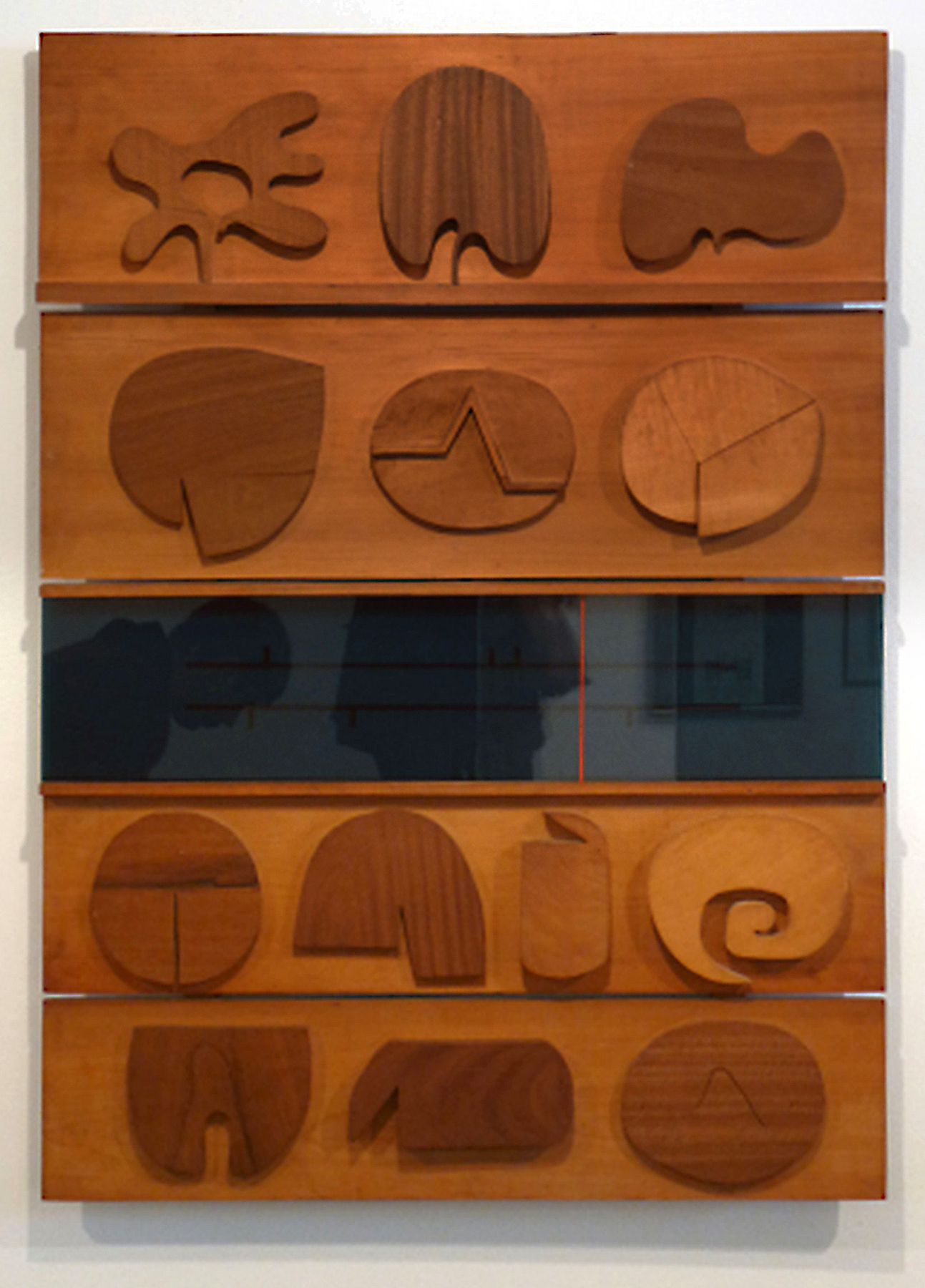
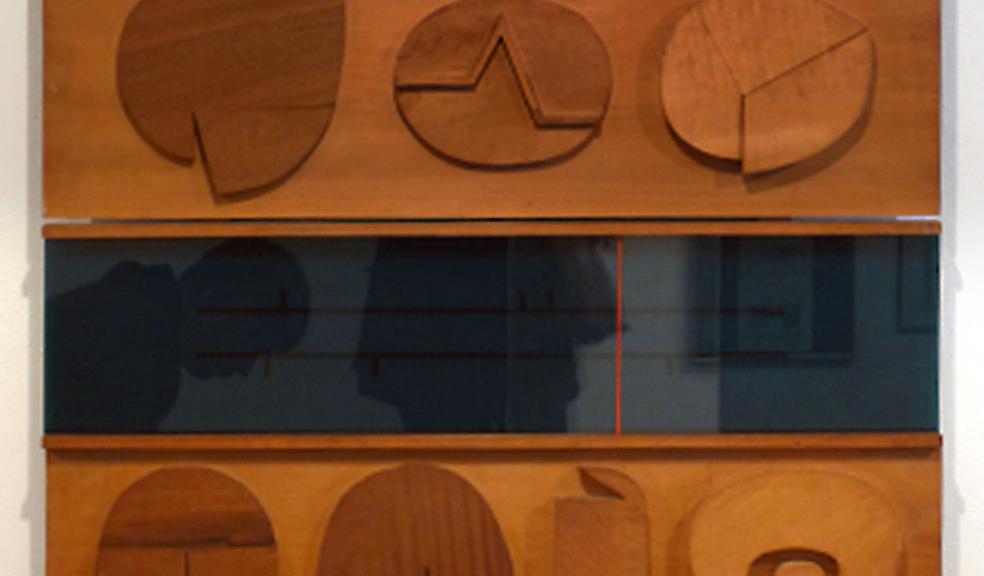
Now one of his seminal pieces, Video-Roget, has become part of the Tate Gallery Permanent Collection, where it will sit alongside works by the most celebrated British artists of the past 500 years.
Completed in 1962, the piece was informed by cybernetics and embodies a simple thesaurus of forms, whose semantic connections can be created by the interaction of the viewer.
Professor Ascott, who has exhibited in some of the world’s most prestigious contemporary arts venues, said: “You’re always pleased when a good home is found for your work, and Video-Roget couldn’t be in better company than in the Tate’s permanent collection. It was shown in my first London solo show at the Molton Gallery, Diagram Boxes and Analogue Structures, and it’s great to know that new audiences nationally and internationally will get the chance to see it in the future.”
Professor Ascott is also President of the Planetary Collegium, which is centred in Plymouth but connects researchers across the world in the practice and theory of new media art. In 2011, it won the World Universities Forum Award for Best Practice in High Education.
Professor Alan Schechner, Head of the School of Art and Media at Plymouth University, said: "Roy Ascott is a seminal figure in the history of digital and telematic art, and his influence and ideas inform much of the Digital Art research and practice here at Plymouth University. Through the Planetary Collegium, he has set up an international research network made up of some of the most important names in contemporary Digital Art. We look forward to working with Roy as we develop the new Devonport Market Hall, an exciting new initiative which will locate the Planetary Collegium alongside our i-DAT and Art and Sound research clusters.”
The Tate collection holds the national collection of British art from 1500 to the present day and embraces all media, seeking to represent significant developments in art, with artworks of outstanding quality and importance.
The collection is displayed at Tate Britain, Tate Modern, Tate Liverpool and Tate St Ives and around the world in temporary and long term exhibitions. The Tate rotates the displays at all its sites, giving exposure to as much of the collection as possible.
Andrew Wilson, Curator Modern and Contemporary Art and Archives for the Tate, said: "As a major figure in art education and the development of artists' use of digital and computer technologies, and someone who was not previously in Tate Collection, the acquisition allows Roy Ascott’s work and achievement to be more accessible within the National collections. This acquisition coincided with the completion of three years of research into art school education that had been initiated by Tate research department, and that coincided with growing wider interest in Ascott's pioneering Groundcourse developed at Ealing and Ipswich Schools of Art in the early 1960s. His work will now be available for display at all Tate sites as well as for short-term loan to Tate partner institutions."