





Your Handbag Could Be Worth More Than Your Savings Account. Seriously.
There's a quiet shift happening in the world of personal finance, and it has nothing to do with stocks, crypto, or property. More and more people, from seasoned collectors to first-time buyers, are turning to luxury goods as a genuine store of value.
It sounds indulgent. But the numbers tell a different story. Certain luxury handbags have consistently outperformed traditional asset classes over the past two decades, and the interest from serious buyers, not just fashion enthusiasts, has never been higher.
If you've ever wondered whether that designer bag is more than just a beautiful object, you're asking exactly the right question.
How Luxury Goods Became a Legitimate Asset Class
The idea that physical objects could hold and grow financial value isn't new. Art, wine, classic cars, and rare watches have been collected as investments for generations. What changed more recently is the accessibility of information and the growth of the resale market, which has brought luxury handbags firmly into the investment conversation.
Online platforms, auction houses, and specialist resellers have created a transparent, liquid market where prices can be tracked, history can be verified, and buyers can transact with confidence. This infrastructure is what separates speculative collecting from genuine investing.
The luxury handbag market has also proven remarkably resilient. Even during economic downturns, the top end of the market held its value better than many conventional portfolios, which has caught the attention of people who approach financial planning seriously.
What Makes a Bag an Investment Rather Than Just a Purchase
Not every designer handbag qualifies as an investment. The difference between a purchase that depreciates the moment you leave the shop and one that appreciates over time comes down to a specific set of factors.
Brand heritage is the starting point. Houses with long histories of craftsmanship, limited production, and consistent global demand carry an inherent value that newer labels simply cannot replicate. Hermès, Chanel, and Louis Vuitton sit at the top of that list, and they have for decades.
Condition and provenance matter enormously too. A bag that comes with its original receipt, dust bag, box, and authentication card will always command a stronger price than one that doesn't. How a piece has been stored, cared for, and used directly affects its resale value, sometimes by a significant margin.
Rarity is the third pillar. Limited edition releases, discontinued colourways, exotic skin variants, and bags with documented waiting lists all carry a scarcity premium that tends to grow over time rather than shrink.
The Bags That Have Built Real Wealth for Their Owners
Specific models have built reputations as reliable wealth preservers that go well beyond their retail price. The Hermès Birkin is perhaps the most discussed, with research from various sources suggesting that certain sizes and configurations have returned more per year than gold over a thirty-year period.
The Chanel Classic Flap is another consistent performer. Chanel has raised its prices significantly and repeatedly over the past decade, which has had the effect of pushing up resale values for older pieces in proportion. A flap bag bought ten years ago and kept in good condition is likely worth considerably more today than when it was purchased.
For anyone starting to explore this space, a well-researched guide to best investment handbags is an excellent place to understand which specific models, materials, and editions have the strongest track records. Knowledge is the most important asset before you spend anything.
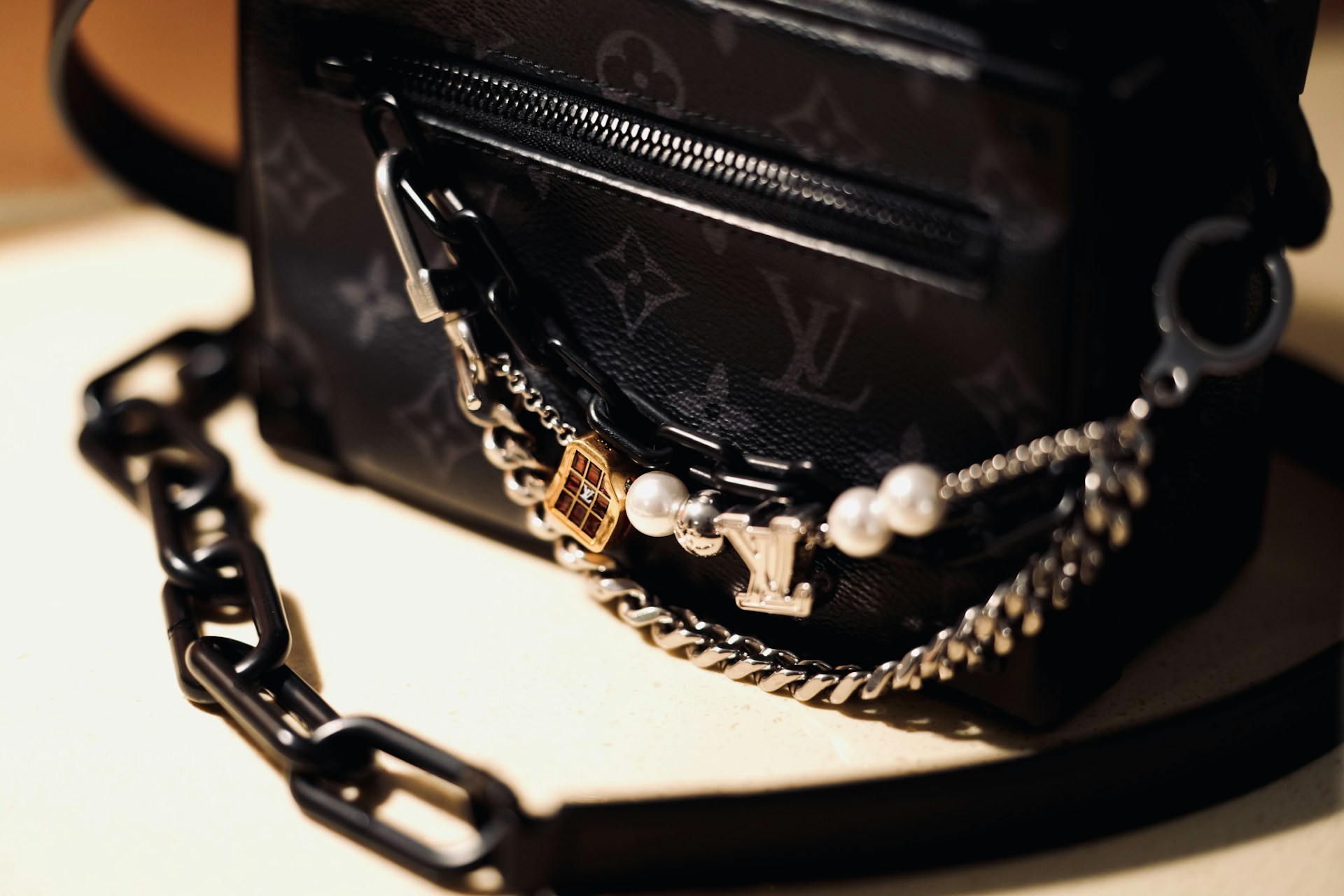
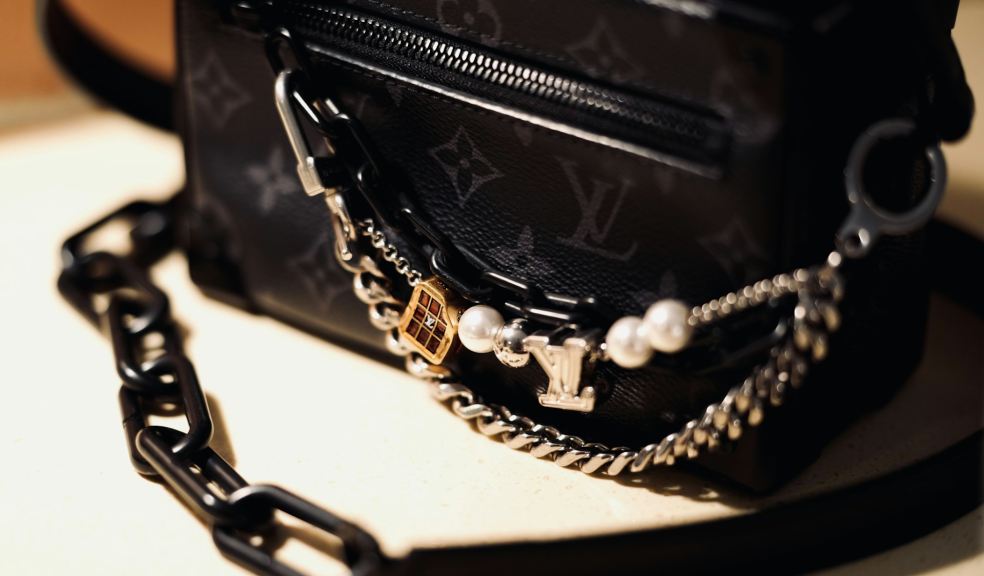
Louis Vuitton's collaboration pieces and limited trunk styles have also seen strong secondary market performance, as have certain Bottega Veneta and Dior styles that have developed cult followings. The key is always buying with knowledge, not impulse.
Where the UK Market Sits Right Now
Britain has a deeply established luxury goods market, and appetite for investment-quality pieces has grown noticeably in recent years. London auction houses regularly feature handbags alongside fine jewellery and watches, which says a great deal about how the category has matured.
Outside of London, regional collectors and buyers are increasingly active. The south west in particular has seen growing interest from buyers who are looking beyond property and traditional savings vehicles for places to put their money thoughtfully.
Specialist resellers and local auction houses are worth watching for pieces that may be priced below London market rates. Independent valuers with specific luxury goods experience can also help you assess whether a piece you already own is worth more than you realise.
For readers interested in how the broader collectibles and luxury goods market is moving, local auction market updates are a useful resource for tracking trends closer to home.
Buying Smart: Practical Advice for New Collectors
If you're considering buying your first investment-grade piece, the single most important thing you can do is research before you spend. That means understanding the specific model's price history, not just the brand's general reputation.
Authentication is non-negotiable. The luxury resale market has a counterfeit problem, and even experienced buyers can be caught out. Using a reputable seller, asking for documentation, and in some cases commissioning an independent authentication service before purchase is simply good practice.
Condition grading is something to understand early. Most resale platforms use a grading scale that ranges from brand new with tags to heavily used. Prices shift significantly between grades, and knowing what you're buying, and what condition it's likely to be in when you come to sell, affects the investment case considerably.
Storage matters more than most new collectors expect. Keeping a bag in its dust bag, away from direct sunlight and humidity, and stuffed to maintain its shape preserves value over time. Small habits make a real difference to what a bag looks like five or ten years from now.
Is This Right for Everyone?
Like any investment, luxury handbags carry risk. Trends shift, brands go through difficult periods, and the market can move in unexpected directions. Anyone treating their bag collection as a core investment strategy rather than a supplement to a broader financial plan should think carefully about that balance.
That said, for people who already love beautiful, well-made objects and who are willing to learn the market, the crossover between personal enjoyment and financial return is genuinely compelling. You get to use and appreciate what you own, which is not something a pension fund can offer.
The growing body of evidence that certain pieces consistently hold and grow their value means this conversation is no longer happening only in fashion circles. Wealth managers, financial journalists, and serious collectors are all paying attention.
Final Thoughts
The idea that luxury handbags belong in a serious conversation about financial planning would have seemed unusual twenty years ago. Today it is simply a reflection of where the market has gone and what the data shows.
Whether you're a seasoned collector looking to be more strategic or someone considering their first deliberate investment purchase, the fundamentals are the same: buy the right pieces, buy them in the best condition you can afford, take care of them properly, and hold them with patience.
The bags that have made people real returns didn't do it overnight. They did it quietly, sitting in wardrobes and storage boxes, holding value while everything else fluctuated. That's a quality worth respecting, and in some cases, worth buying.