





The Best Digital Tools for Investors Looking To Access International Markets From Home
International investing was much more complicated a while ago when buying shares in Tokyo or following emerging markets from a sitting room in Devon required Bloomberg terminals and fund managers with multiple computer screens working into the evening.
Today, with a smartphone, a decent broadband connection and a good selection of digital tools you can invest from a kitchen table or a hotel lobby. Yet easier access creates its own problem. New investors can enter international markets with a few taps, but understanding what to buy, when to act, and how global events connect has become a challenge of its own. This is where digital platforms are beginning to earn their place.
Global Trading Platforms
Retail investing is undergoing a transformation. The stereotype of the impulsive investor chasing fashionable stocks is getting outdated. Recent industry trends suggest retail investors are becoming more disciplined and diversified, with exposure to foreign assets, commodities, and broader investment categories steadily increasing.
This change helps explain why modern investment platforms are also updating their functionalities. On these platforms investors can move across US equities, European ETFs, Asian shares, and currency markets within one ecosystem rather than opening separate accounts for different regions. Some platforms also provide access to CFD trading, allowing investors to speculate on price movements across international assets without directly owning the underlying instrument. For experienced investors, this creates another route to gain exposure to global markets from a single platform environment.
This helps investors gain international exposure without administrative complications. Top platforms continue expanding their offerings in this direction. Because when international investing is complicated, people tend to abandon sensible strategies and retreat toward familiar domestic assets.
Charting Software
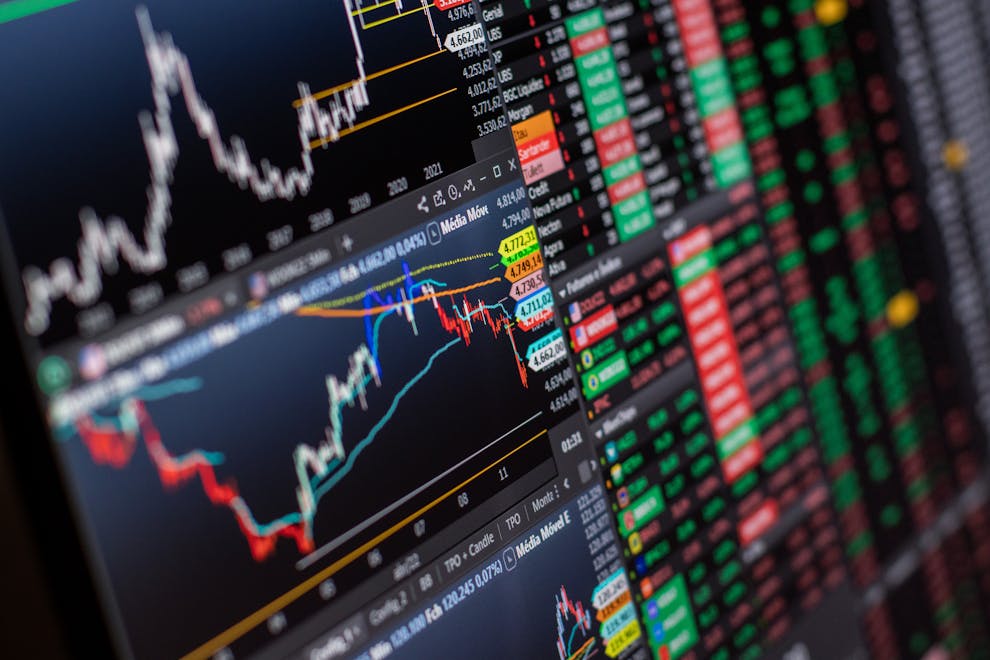
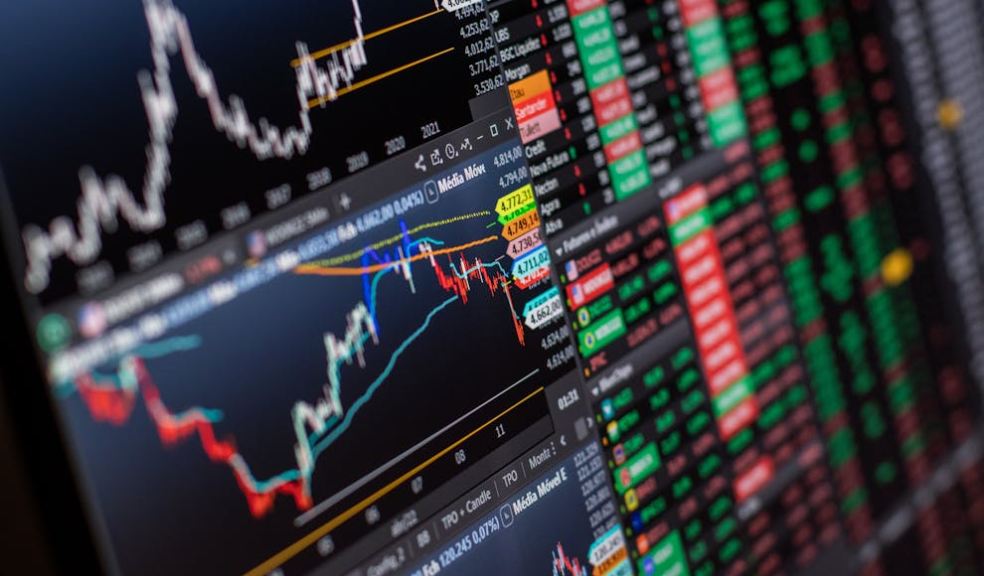
Charts have a simple function. Investors check them daily, draw trend lines and attempt to identify patterns. But modern charting systems offer much more functionalities than the classic ones.
Investors can now combine live data feeds, economic calendars, stock screeners, alerts, and customized indicators within a single workspace. These features help investors monitor international markets operating across multiple time zones.
This is important because no one wants to refresh dozens of pages every morning before even drinking their first coffee. A UK investor interested in American technology stocks, Japanese manufacturers, and European banking shares may wake up to market developments from several regions simultaneously. Automated alerts handle much of that work. Market watch is now in the hands of the technology.
Artificial Intelligence
Artificial intelligence naturally attracts attention among investor circles. Depending on whom you ask, it either represents the future of investing or the beginning of widespread confusion.
Reality is somewhere in between. AI is not making investment decisions independently but it is reducing tedious work for investors. Recent surveys suggest that a growing number of retail investors now use AI tools to assist with investment decisions. They use them mostly for research, interpreting financial news, and generating ideas without replacing judgment.
Investors are solving a practical problem that institutions have figured out long ago through large analyst teams: Filtering information.
AI tools can summarize market developments, identify unusual relationships, and organize data that would otherwise take hours to process manually. What they cannot do yet is to determine whether an investment genuinely suits an individual's objectives or tolerance for risk. For now, nothing can replace the advantages of human judgment.
Currency Tools
Inexperienced investors do not consider the currency effect when buying stocks. Strictly speaking, buying international stocks also means buying their currencies. This detail does not receive enough attention.
Suppose a British investor purchases overseas shares that rise by 10%. Currency movements could strengthen or weaken those returns considerably by the time the investment is converted back into pounds.
The investment itself may perform perfectly well while exchange rates change the outcome at the same time. That is why portfolio platforms started incorporating foreign exchange monitoring directly into their systems.
This helps investors understand whether performance results from underlying investments or from currency movements happening in the background.
Portfolio Dashboards
International portfolios become messy rather quickly. One account holds US shares. Another contains ETFs. Currency exposure sits elsewhere.Retirement savings appear on another platform entirely. Without some form of central overview, investors may not realise the problems of portfolio allocations and their concentration on certain markets. Portfolio dashboards resolve this issue by answering following questions:
- How exposed am I to technology?
- How dependent am I on one region?
- What happens if currencies move unexpectedly?
Technology Is Changing Access, Not Risk
The democratisation of investing has removed many of the structural advantages that once separated professional investors from everyone else.
Access to international markets no longer belongs exclusively to institutions. Research tools, analytical software, and global trading platforms sit within reach of ordinary households.
But technology can not eliminate risk.
If anything, it has simply made opportunity more abundant and decision-making more demanding.
The best digital tools therefore are the ones that help investors think more clearly.
And in investing, clarity usually turns out to be more valuable than excitement.