





Navigating the New Rules for Home Electric Car Setups
The UK electric vehicle market is growing quickly. New government rules have made it much easier for people to get home charging points. Homeowners no longer need planning permission for most home EV chargers, so many families can now install them without a long process. Across Britain, public charging infrastructure continues to expand, especially in cities where demand is highest.
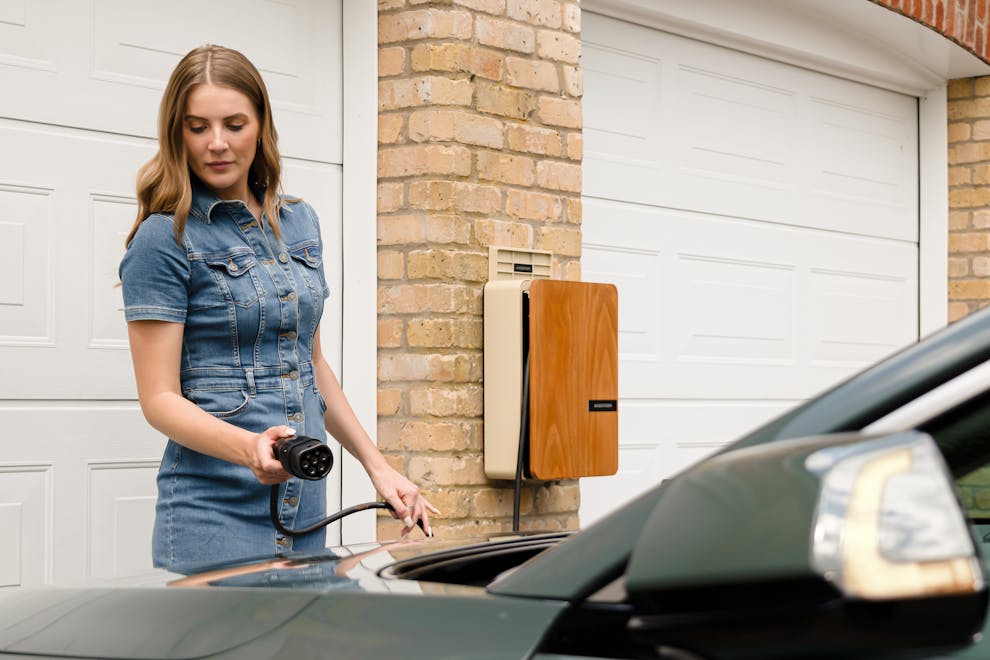
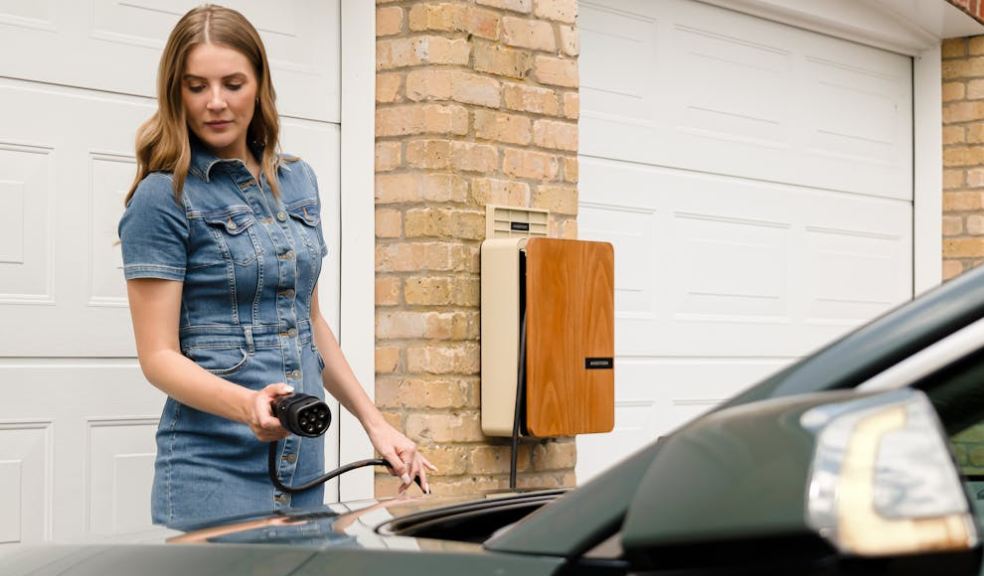
For EV owners, knowing the basics of home charging equipment has become more important. The type 2 charging cable is now the standard connector across the UK and Europe, compatible with most electric vehicles on British roads. These cables are available in different variants, including single-phase and three-phase options, each providing different charging speeds depending on a home's electrical capacity.
As more Devon residents adopt electric vehicles, making choices about these technical options becomes more and more important. Selecting the appropriate charging equipment helps reduce charging times and ensures that both current and future vehicles will stay compatible with the installed system.
UK's Changing Situation for Home EV Charging
The electric vehicle market in Britain continues to grow steadily. This uptake has prompted important changes to regulations around home charging installations. The UK government has simplified the process by removing planning permission requirements for most home chargers, making it easier for homeowners to install charging points.
Under the updated national policy, most homeowners throughout England, including those in Devon, no longer need to apply for planning permission to fit a home EV charger. This streamlining removes a major administrative barrier and supports wider home charger usage. The national charging infrastructure is also expanding, with more public and workplace chargers being installed each year.
The economic effect of these changes is noticeable. The UK EV charging market is seeing increased investment and infrastructure growth. This demonstrates both climbing demand and the need for accessible charging options at home and in public spaces.
What Makes Type 2 Charging the UK Standard
Type 2 connectors are established as the standard across the UK and Europe for several reasons. These seven-pin connectors, sometimes called Mennekes connectors, offer flexibility and safety features that make them well suited for home charging setups. The standard approach ensures most electric vehicles on UK roads can use the same charging infrastructure.
Type 2 charging cables come in two main variants: single-phase and three-phase. Single-phase cables work with standard UK domestic electricity supplies and typically deliver charging rates that are often in the range of 3.6kW to 7.2kW. Three-phase cables can provide higher power levels, sometimes up to 22kW, but require special electrical installations not common in most UK homes.
The compatibility of type 2 charging cables with UK electrical systems makes them suitable for Devon homeowners. Most UK homes have single-phase power supplies, which work well with standard type 2 charging equipment without requiring major electrical upgrades.
For a comprehensive overview of type 2 charging cable specifications and compatibility, Devon households can explore type 2 EV chargers to learn about the technical differences and make informed choices about which cable and charger setup best fits their needs.
Smart Charging Requirements and Grid Integration
The UK has introduced a smart charging rule for home EV chargers. All new installations must include smart functionality. This rule aims to protect the national grid from possible overloads as more vehicles switch to electric power. Smart chargers can communicate with the grid and adjust charging times automatically.
These intelligent charging systems help balance electricity demand by shifting charging to off-peak hours when possible. This lowers strain on the grid and can save EV owners money through time-of-use tariffs. Many energy providers now offer special EV tariffs with lower rates during overnight hours.
Time-of-use tariffs can offer savings for Devon EV owners. Charging during off-peak hours, often between midnight and 5am, allows drivers to access electricity rates that may be lower than standard daytime rates. This may help reduce charging costs over the lifetime of vehicle ownership.
Vehicle-to-grid technology is now being piloted in some parts of the UK. This new technology focuses on grid flexibility and renewable energy support through smart charging. V2G-compatible chargers allow an electric vehicle to discharge power back into the grid during high demand, then recharge during off-peak hours.
For Devon homeowners interested in V2G, it is important to determine if specific EV models and home chargers support this function. A professional installer can advise on which vehicles and charger brands meet V2G requirements and provide realistic expectations for energy savings.
Installation Tips for Devon Homeowners
Finding skilled electricians is necessary for safe installation. Devon homeowners should look for installers with specific EV charger certification, such as those approved under the Electric Vehicle Consumer Code for Home Chargers. These professionals understand both electrical requirements and safety standards.
Before making a final choice, an on-site assessment from an experienced EV charger installer is recommended. This ensures the selected approach matches both the home's wiring and typical vehicle usage patterns, helping avoid expensive mistakes or underpowered charging setups.
Additional information about type 2 charging options is available for those seeking more detailed specifications and compatibility information for various vehicle models and home setups.