





From Coastal Mornings to Country Lanes: How Devon’s Weather Affects Everyday Driving
Driving in Devon rarely feels the same from one journey to the next. A clear start near the coast can quickly turn into mist inland, while narrow country lanes behave very differently after rain than they do on a dry summer afternoon. For many residents, everyday driving involves adapting not just to traffic, but to constantly changing weather and road conditions.
What often goes unnoticed is how much these local factors affect a car over time — especially during short, routine trips that make up most journeys across the county.
Coastal mornings: mist, moisture, and reduced visibility
Along Devon’s coastline, early mornings frequently bring mist and damp air rolling in from the sea. Even when rainfall is light, moisture settles on windscreens, mirrors, and rear windows, reducing visibility during the school run or commute.
In these conditions, drivers often rely more heavily on wipers and demisting systems. Reduced visibility isn’t dramatic, but it demands attention — particularly on winding coastal roads where cyclists, walkers,s and farm vehicles are common.
Country lanes and rural routes: narrow roads, wet surfaces
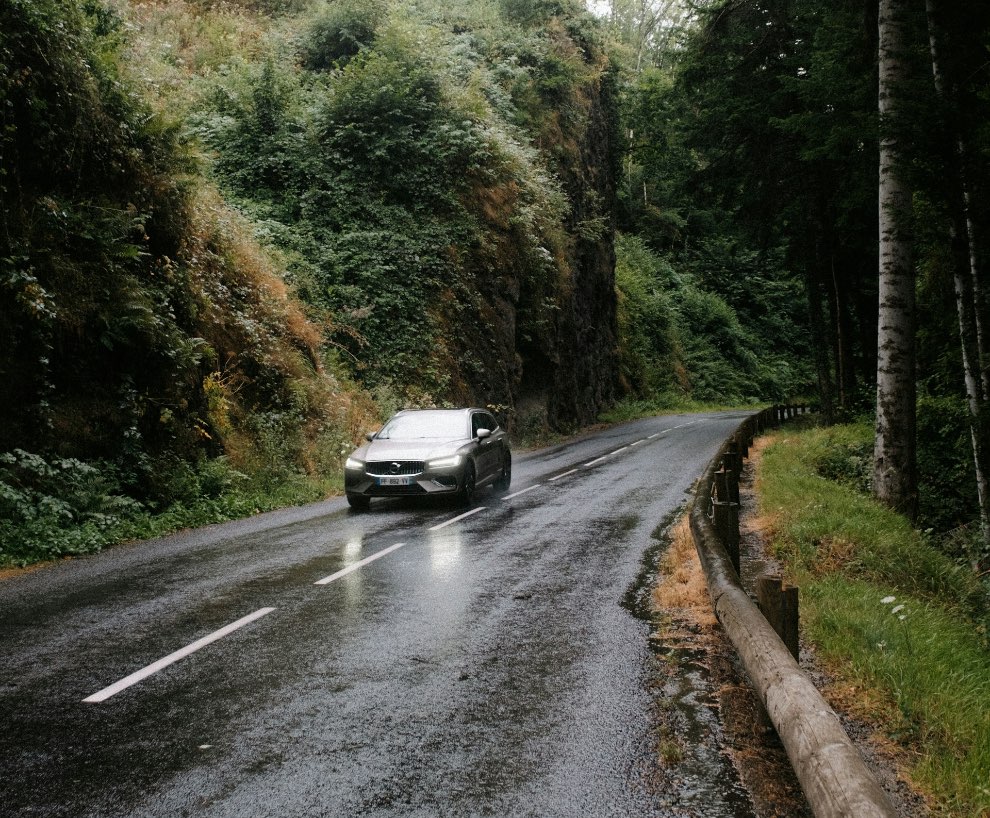
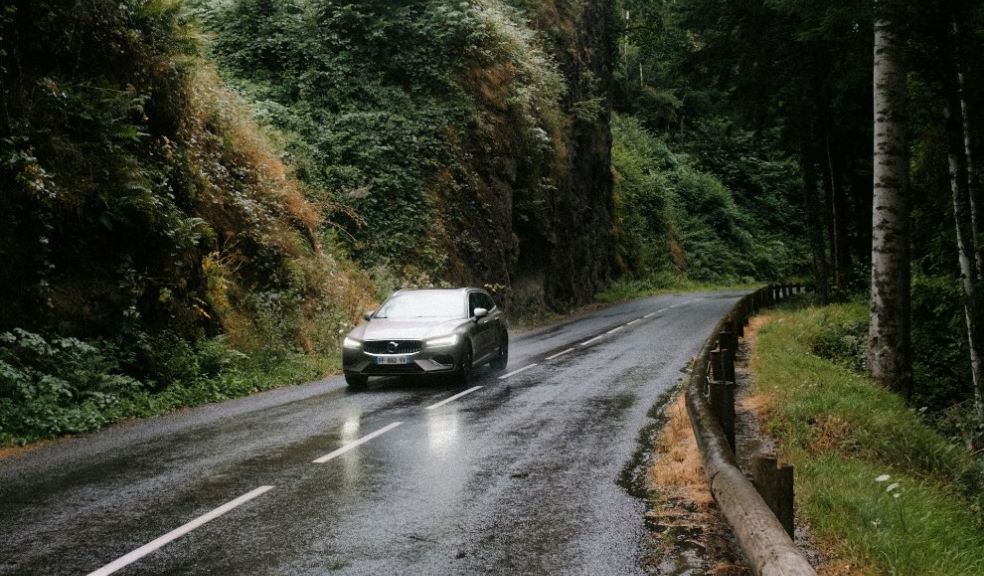
Away from the coast, Devon’s rural lanes present a different challenge. Narrow roads, high hedges and limited lighting combine with wet surfaces, mud and fallen leaves — especially after heavy rain.
Unlike urban roads, many country lanes dry slowly. Even when the weather improves, damp patches remain, catching drivers off guard. These conditions place extra emphasis on clear visibility and smooth, predictable driving rather than speed.
Hills, slopes, and sudden weather changes
Devon’s hills add another layer of complexity. Gradients react quickly to moisture, and a dry road at the top of a hill may be slick halfway down. Sudden changes in rain, fog or wind during a single journey are common — particularly in autumn and winter.
This unpredictability is why local driving often feels more demanding than longer motorway trips elsewhere in the country.
Short everyday trips: an underestimated challenge
Most journeys in Devon are short: school drop-offs, quick trips into town, errands between villages. While these drives feel routine, they are harder on vehicles than many drivers realise.
Short trips don’t allow systems to fully warm up or dry out, especially in damp weather. Over time, this contributes to wear in areas that directly affect visibility and comfort.
British research highlights how common it is to overlook basic preparation. According to a GoCompare study, only 19 % of UK drivers check their vehicle before winter, while almost 5 million drivers don’t plan any checks at all, despite colder, wetter conditions increasing strain on everyday car systems.
Small checks that help in Devon conditions
Clear glass and effective wipers
In a county where mist, drizzle and spray are part of daily life, clear windows matter more than many drivers think.
According to an AUTODOC expert, rear wipers — often overlooked — play a key role in maintaining visibility during wet conditions: “A worn rear wiper blade can leave streaks or smears on the glass, reducing rear visibility and making reversing or changing lanes less safe, especially in rain.”
Lighting and visibility on unlit roads
Devon’s lanes are often poorly lit. Ensuring lights are clean and working properly makes a noticeable difference during early mornings and dark winter afternoons.
Tyres and grip on wet surfaces
Wet leaves, mud, and rain-polished tarmac reduce grip quickly. Regularly checking tyres for wear and pressure helps maintain stability, particularly on slopes and tight bends.
Resources like AUTODOC are often used by drivers to understand how these everyday components are affected by weather rather than mileage alone.
What Devon drivers face most often
While Devon’s driving conditions may vary from coast to countryside, many of the challenges drivers face repeat themselves day after day. To make these patterns clearer, the table below summarises the most common local conditions and how they typically affect everyday driving across the county.
|
Local condition |
Common issue |
Why it matters |
|
Coastal mist |
Reduced visibility |
Slower reactions, harder reversing |
|
Country lanes |
Wet leaves and mud |
Reduced grip |
|
Short trips |
Moisture build-up |
Faster wear on visibility systems |
|
Hills and slopes |
Uneven traction |
Less predictable braking and steering |
|
Seasonal rain |
Constant damp |
Ongoing strain on car components |
Seasonal reality: autumn and winter in Devon
Devon winters are rarely extreme, but they are consistently damp. Rain, fog and shorter days create conditions where preparation is less about snow and more about visibility and awareness.
Understanding how weather affects everyday driving — rather than reacting to problems when they appear — helps reduce stress behind the wheel.
Conclusion: Adapting to Devon, one journey at a time
Devon’s roads don’t demand perfect vehicles, but they reward attentive drivers. Small habits — keeping windows clear, checking tyres, paying attention to visibility — make everyday journeys calmer and safer.
In a county shaped by coastlines, hills and country lanes, adapting to the environment is simply part of driving life.
Information Sources:
More information about winter car maintenance - Autodoc.uk
How to Replace Rear Wiper Blades: A Step-by-Step Guide
Almost 5 million UK drivers are unprepared for winter car conditions, research finds
FAQ
Do Devon’s weather conditions really affect cars that much?
Yes. Constant moisture, short trips and changing conditions place ongoing strain on visibility and driving comfort, even without extreme weather.
How often should wipers be checked in damp regions like Devon?
More frequently than mileage alone suggests. Regular inspection helps avoid reduced visibility during sudden rain or mist.
Are short local journeys harder on cars than long drives?
Often, yes. Short trips don’t allow systems to dry or stabilise, especially in wet conditions, leading to gradual wear over time.