





Your Weekend Hiking Kit: What to Pack for Devon's Trails
A weekend on Devon's trails offers rugged coastlines, rolling moorland, and woodland paths that change with every season. Whether you're tackling sections of the South West Coast Path or exploring Dartmoor's tors, the right gear makes all the difference between an adventure you'll remember fondly and one you'd rather forget.
Packing for a hiking trip doesn't need to be complicated. Get the essentials and outdoor equipment right, keep it light, and you'll spend less time fussing with your rucksack and more time enjoying the scenery.
Clothing: Layer Up for Devon's Changeable Weather
Devon's weather can shift from sunshine to drizzle in the time it takes to boil a kettle. Proper layering keeps you comfortable whatever the conditions throw at you.
Base Layer: Start with a moisture-wicking base layer that pulls sweat away from your skin. Merino wool or synthetic fabrics work well. Pack at least two so you've got a dry one for day two.
Mid Layer: A fleece or lightweight insulated jacket provides warmth without bulk. Go for something you can easily stuff into your pack when you warm up on a steep climb.
Outer Layer: A waterproof, breathable jacket is non-negotiable. Devon's coastal paths can be exposed, and a sudden squall will soak you through without proper protection. Look for something with a hood and pit zips for ventilation.
Trousers: Quick-dry hiking trousers or leggings beat jeans every time. They're lighter, more comfortable, and won't stay damp if you get caught in the rain.
Socks: Two pairs of good hiking socks will see you through the weekend. Avoid cotton—it holds moisture and causes blisters. Merino or synthetic blends are your friends here.
Footwear: Keep Your Feet Happy
Your boots are the most important item in your pack. Devon's trails range from well-maintained coastal paths to muddy moorland tracks, so you need something with decent grip and ankle support.
Break in new boots before your trip. Nothing ruins a hike faster than blisters on day one. If the forecast looks dry, trail runners can work for lighter terrain, but boots offer better protection on rough or wet ground.
Pack a pair of camp shoes or sandals too. After a full day on your feet, you'll appreciate slipping into something comfortable around the campsite or hostel.
Shelter and Sleep: A Good Night's Rest Matters
Tent: If you're camping, a lightweight two-person tent gives you room for your gear without adding excessive weight. Make sure it's properly waterproof—Devon can be damp even in summer.
Sleeping Bag: Check the temperature rating. Spring and autumn nights can be chilly, so aim for a three-season bag unless you're hiking in high summer.
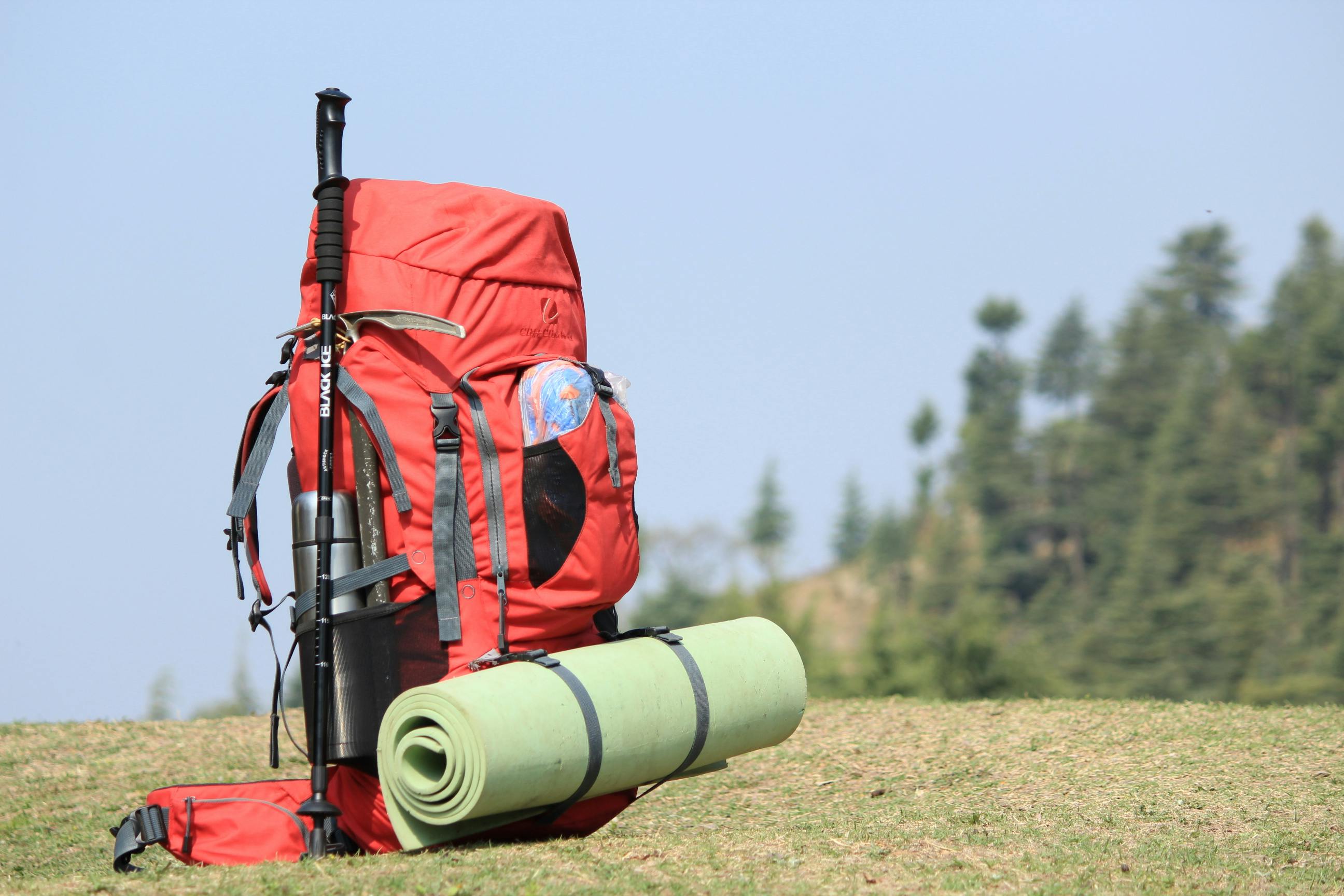
Sleeping Mat: Don't skimp here. A decent inflatable or foam mat keeps you insulated from the cold ground and helps you sleep better.
Food and Hydration: Fuel Your Adventure
Freeze dried meals: These are brilliant for hiking trips. They're lightweight, easy to prepare, and surprisingly tasty. Brands like Wayfayrer and Summit to Eat offer everything from pasta to curry. Just add boiling water, wait a few minutes, and you've got a hot meal.
Snacks: Pack energy bars, nuts, dried fruit, and chocolate. You'll need quick energy throughout the day, especially on longer or more challenging sections.
Stove and Fuel: A compact camping stove and gas canister take up minimal space. Opt for something reliable and simple to use.
Water: Carry at least two litres. Refill whenever you pass a stream or tap. A water filter or purification tablets are useful if you're relying on natural sources.
Navigation and Safety: Don't Get Lost
Map and Compass: Your phone might die. Your GPS might lose signal. A paper map and compass won't. Learn how to use them before you set off.
First Aid Kit: A basic kit should include plasters, blister treatment, pain relief, antiseptic wipes, and any personal medication.
Head Torch: Even if you're not planning to hike after dark, pack one anyway. It's invaluable if you're delayed or need to sort your tent in fading light.
Whistle and Emergency Blanket: Both weigh almost nothing but could prove vital in an emergency.
Extras That Make Life Easier
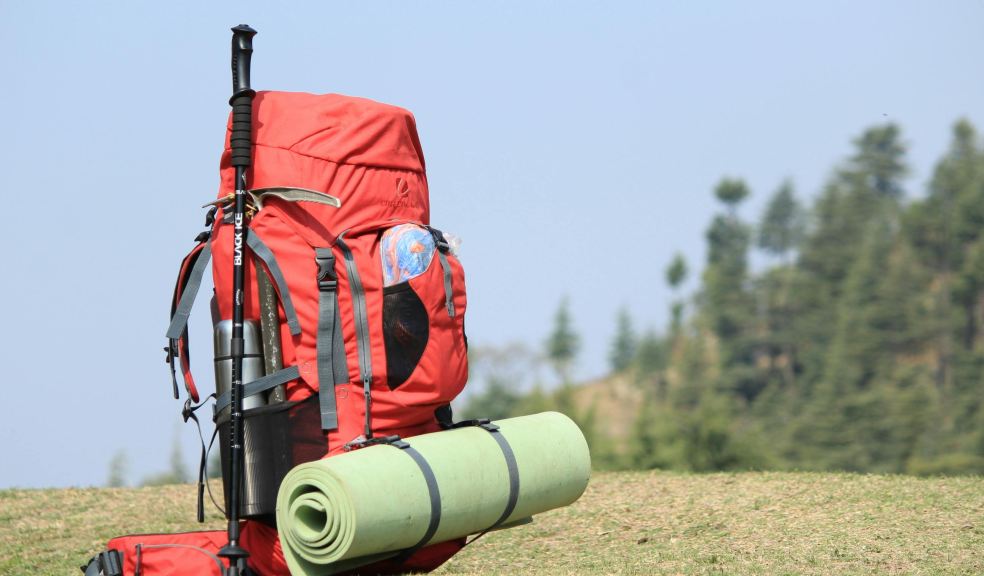
Rucksack: A 40-50 litre pack works well for a weekend trip. Make sure it fits properly and has a hip belt to distribute weight.
Trekking Poles: Not essential, but they take strain off your knees on steep descents and provide extra stability on uneven ground.
Dry Bags: Keep your sleeping bag, spare clothes, and electronics safe from rain.
Sun Protection: Even on overcast days, UV rays can catch you out on exposed coastal paths. Pack sunscreen, sunglasses, and a hat.
Toiletries: Keep it minimal - toothbrush, toothpaste, biodegradable soap, and a quick-dry towel.
Pack Smart, Hike Happy
The key to a successful weekend hike is packing thoughtfully. Lay everything out before you leave and question whether you really need each item. Every unnecessary piece adds weight, and after a few hours on the trail, you'll feel every extra gram.
Devon's countryside offers some of the best hiking in the country. With the right kit in your pack, you'll be ready to make the most of it. So lace up your boots, fill your water bottle, and get out there.