





Why Devon's Sewing Revival Is Bringing Old Machines Back to Life
Devon has quietly become one of the more interesting places in the UK to watch a craft revival unfold. Between community skill-sharing groups in Plymouth, upcycling workshops tucked into old commercial spaces on Union Street, and a general cultural shift toward mending and reusing rather than replacing, sewing has stopped being a niche hobby confined to grandparents' spare rooms. It's showing up in university degree programmes, pop-up workshops, and pay-what-you-can classes aimed at anyone curious enough to sit down at a machine for the first time.
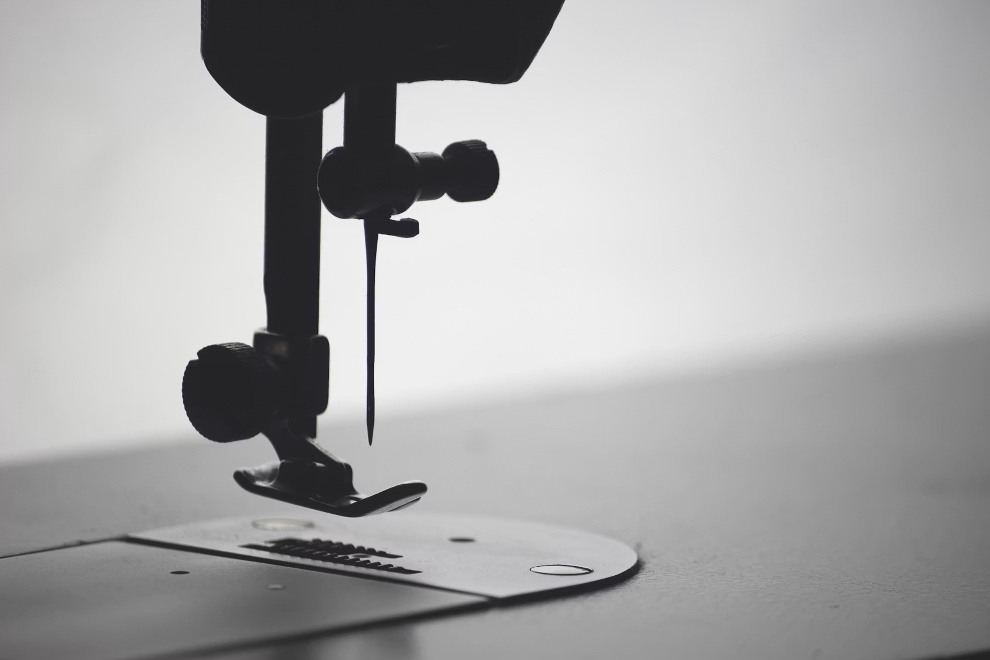
What's easy to miss in that story is which machines people are actually using. Ask around any of these groups and you'll find a surprising number of vintage machines still doing the heavy lifting, models built decades ago that were handed down, picked up secondhand, or rescued from a skip. There's a good reason for that. Machines built in the mid-20th century, particularly the all-metal models, were engineered to be repaired rather than replaced. They don't have the same delicate electronics or proprietary plastic components that make modern machines expensive or impossible to fix once something breaks.
Why Older Machines Keep Showing Up in Workshops
The appeal isn't nostalgia alone. Vintage machines tend to handle heavier fabrics, like denim, canvas, and upholstery material, better than a lot of entry-level modern machines built for lighter home use. For groups focused on upcycling old clothing or turning donated fabric into new items, that durability matters. A straight-stitch vintage machine with a strong motor can push through several layers of fabric without straining in a way a budget plastic-bodied machine simply can't.
There's also a sustainability angle that fits neatly with why these groups exist in the first place. If the whole point is reducing textile waste and getting more life out of materials people would otherwise throw away, running that effort on a machine that's already survived fifty or sixty years reinforces the message. It's hard to make a case for sustainable fashion while sewing on a machine that will end up in landfill in three years because a plastic gear stripped.
The Catch With Keeping Vintage Machines Running
None of this is to say vintage machines are maintenance-free. They're old. Belts perish, bobbin cases wear down, tension assemblies drift out of calibration, and feed dogs get gummed up with decades of lint and old oil. The problem most people run into isn't the repair itself, which is often straightforward once you know what you're doing, it's finding a part that actually fits.
Modern sewing shops stock parts for current machines. They generally don't carry a bobbin case for a machine built in 1958, and the closest available "universal" part often doesn't seat properly, doesn't grip the thread correctly, or throws the tension off in ways that are hard to diagnose. This is where a supplier like Vintage Singer Parts becomes genuinely useful rather than a nice-to-have. They specialise in parts pulled from real vintage machines across Singer and several other older brands, which means the part someone needs for a 1950s or 1960s model is something they can actually track down instead of improvising a workaround.
What This Means for Devon's Sewing Community
For a group running workshops on donated equipment, that kind of access changes what's possible. A machine that would otherwise sit unused because a part failed can go back into rotation instead of ending up as another piece of textile-adjacent waste, which is a bit ironic for a movement built around reducing waste in the first place. It also means volunteers and instructors spend less time troubleshooting cobbled-together fixes and more time actually teaching, which is presumably the point of running these sessions to begin with.
As more community groups and informal sewing circles pop up across Devon, whether through university programmes, local charities, or just neighbours teaching neighbours, the machines underneath all of it are going to keep needing this kind of specialised support. It's a small, unglamorous part of the story, but it's the part that keeps the whole thing running.
Frequently Asked Questions
Are vintage sewing machines actually better than modern ones?
Not universally better, but they excel in specific ways. All-metal vintage machines tend to handle heavy fabric and repetitive use better and are generally easier to repair long-term since they rely on mechanical parts rather than electronics.
Where can someone find parts for an old Singer machine?
Specialist suppliers that stock parts pulled from genuine vintage machines are usually the most reliable option, since generic replacement parts often don't fit older models correctly.
Is it expensive to keep a vintage machine running?
Generally no. Most common repairs, like belts, bobbin cases, and tension parts, are inexpensive once you have the correct part on hand. The bigger cost is usually the time spent finding the right one.
Do community sewing groups typically use donated machines?
Yes, this is common. Many workshops and skill-sharing groups run partly or entirely on donated equipment, which is part of why machine maintenance and part sourcing matters so much to keeping these programmes going.