





Pioneering research into native seahorses receives £475,000 funding boost
A pioneering research project, led by the National Marine Aquarium, which will help to conserve seagrass and seahorses, has received £475,000 funding from the Heritage Lottery Fund (HLF).
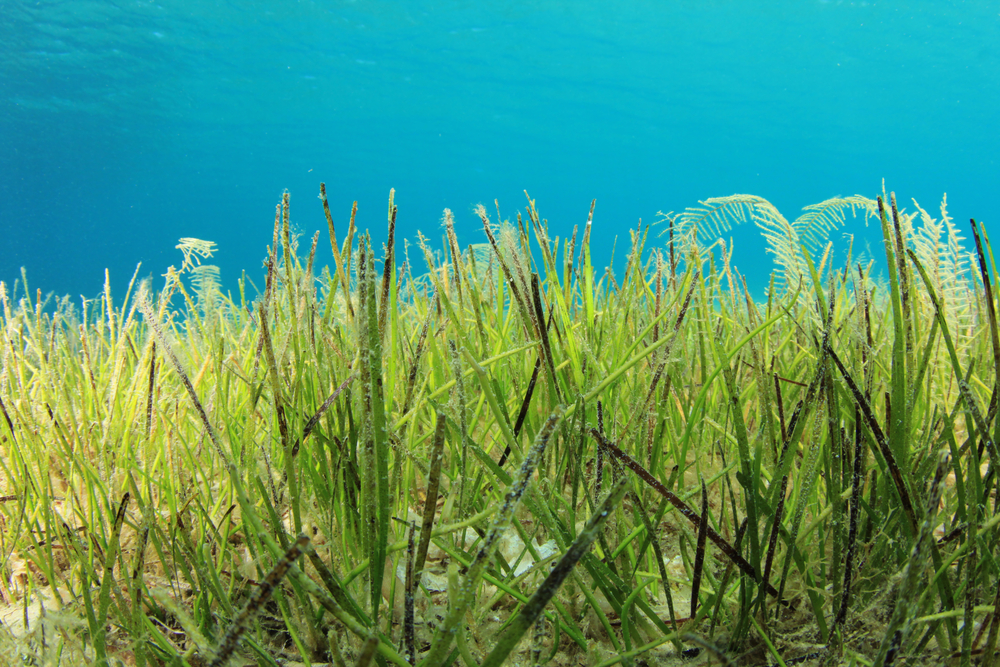
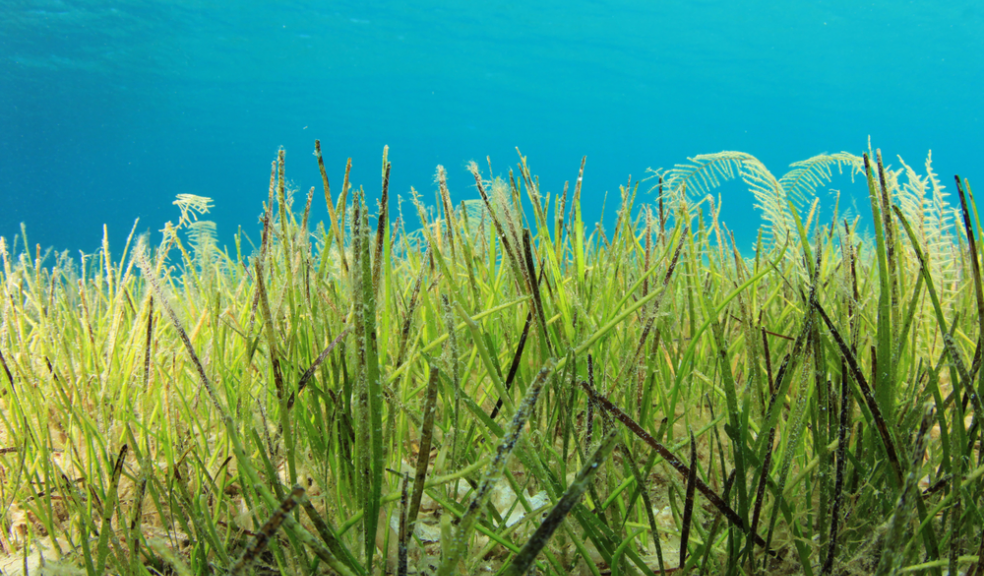
The funding will now enable marine biologists at the Aquarium in Plymouth, working with partner organisations along the south coast, to deliver a comprehensive three-year citizen science project, which will look to find out more about native seagrass and seahorses across the south west of England and help to conserve fragile seagrass eco-systems.
The Community Seagrass Initiative – which will cover the 191 mile stretch of coastline from Looe in Cornwall, to Weymouth in Dorset – will engage volunteers to help monitor the health and biodiversity of seagrass beds, with sailors, canoeists, divers and even internet users all set to be encouraged to take part in the project. There is also a major public engagement element, which will aim to connect the coastal community with this important element of our natural heritage.
A team at the National Marine Aquarium, led by Director of Conservation and Communication, Paul Cox, have already been working closely with the local community during the development phase of the project. Earlier this year, the Aquarium received a rather unusual donation from Devon and Cornwall Police - confiscated equipment, previously used for growing cannabis illegally.
Various lighting solutions, growing trays and growing mediums donated by the Police, are now being used to grow and study seagrass at close range in the Aquarium, enabling the project team to gain a better understanding of its biology and importance to the range of marine wildlife, including the native seahorse species.
Although there are over 30 species of seahorses worldwide, there are only two species native to the UK – the Spiny Seahorse and the Short Snouted Seahorse, both can be found along the south west coast.
Seagrass beds, and the marine animals that rely on them for food and shelter, face a number of threats from pollution, coastal development and disturbance by vessels, as well as natural factors, including disease and storms. The Community Seagrass Initiative aims to engage a broad range of individuals and groups monitoring and conserving these vital marine habitats, with a focus on the fascinating native seahorse species.
Dr David Gibson, Managing Director at the National Marine Aquarium, commented: “We are delighted to have received the funding from the Heritage Lottery Fund, to help us to deliver this pioneering research into seagrass and seahorses. This project gives us a valuable opportunity, working with partners and volunteers, to learn a lot more about this native habitat which will really help to protect our two native seahorse species.
“Relatively little is currently known about seagrass habitat loss and the effects on seahorses in British waters. This funding is a very welcome boost to move our understanding forward, with dedicated teams at three coastal conservation centres on the south coast.
Nerys Watts, Head of the Heritage Lottery Fund South West, said: “A key part of this project will be to positively engage people, target new audiences, and break down negative barriers to marine conservation. To many, the sea is an alien environment but people are beginning to realize how vital it is to conserve our underwater habitats and species. The Community Seagrass Initiative will play a hugely important role, protecting seagrass beds and subsequently the seahorses and other sea creatures that depend on them, offering people from all walks of life a chance to get involved.”
Paul Cox, Director of Conservation and Communication, added: “I am passionate about helping to conserving the delicate marine eco-systems that we have, especially having seen first-hand the damage that human activity can do the fragile seagrass beds. Seagrass habitats are of vital importance to the wildlife living in and around them, including the seahorses but also, crucially, as nursery grounds for many of the commercial species that support our local fishing fleet.
“We have been developing this project with partners for over two years so securing the funding from the Heritage Lottery Fund is a fantastic boost and means that we can now roll-out the project, start to recruit staff and volunteers and begin on the vital work that we’ve been planning.”
To find out more information about the Community Seagrass Initiative or to get involved, please visit www.national-aquarium.co.uk
Gallery