





The increasing lows of the UK high street
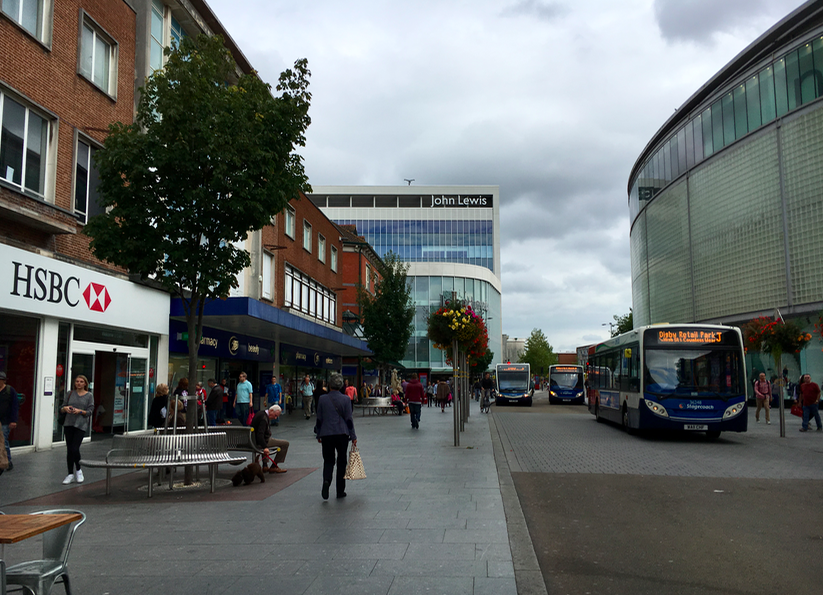
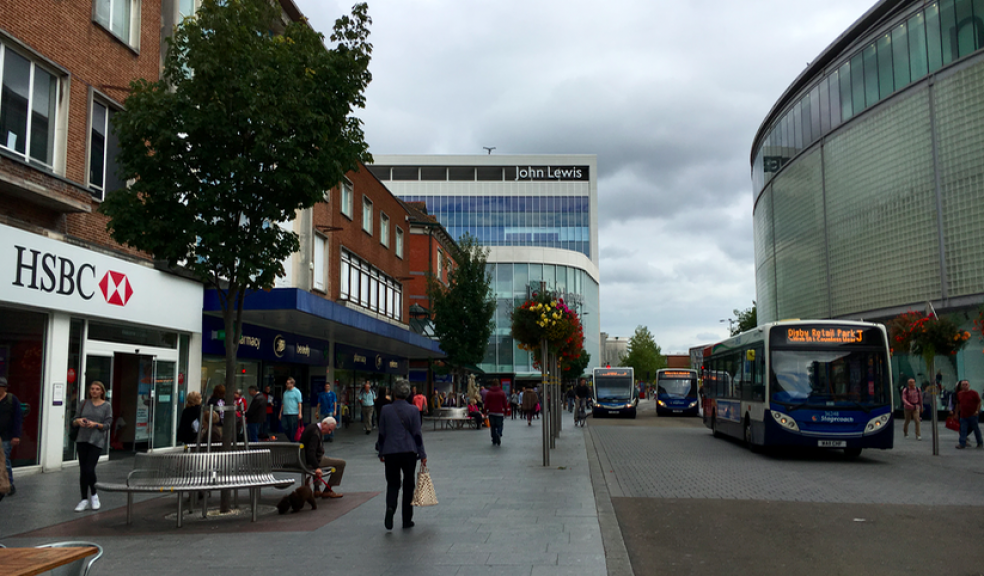
The UK high street; once it was a hub of the community, selling clothes, furniture and market goods. Now though, after a slow period of decline, Britain’s high streets are becoming desolate with supermarket chains and charity shops replacing independent retailers that were once the epitome of the local town or city.
The shift to online hasn’t exactly helped the high street either; the modern age of the World Wide Web means that shopping can be done with a touch of a fingertip. No one needs to visit the high street to search for a gift when the internet can be scoured in much less time and often with more success.
This online revolution has had an effect on an array of different shops, land based bookmakers for an example now have to deal with the rise of online casino sites and they’re certainly feeling it with a number of store closures over the last year.
Indeed, in 2018, the UK Gambling Commission revealed that remote betting made up 34% of the market share which proved to be the largest single sector. What does this mean? Well, the high street will never be the same.
The demise of the high street
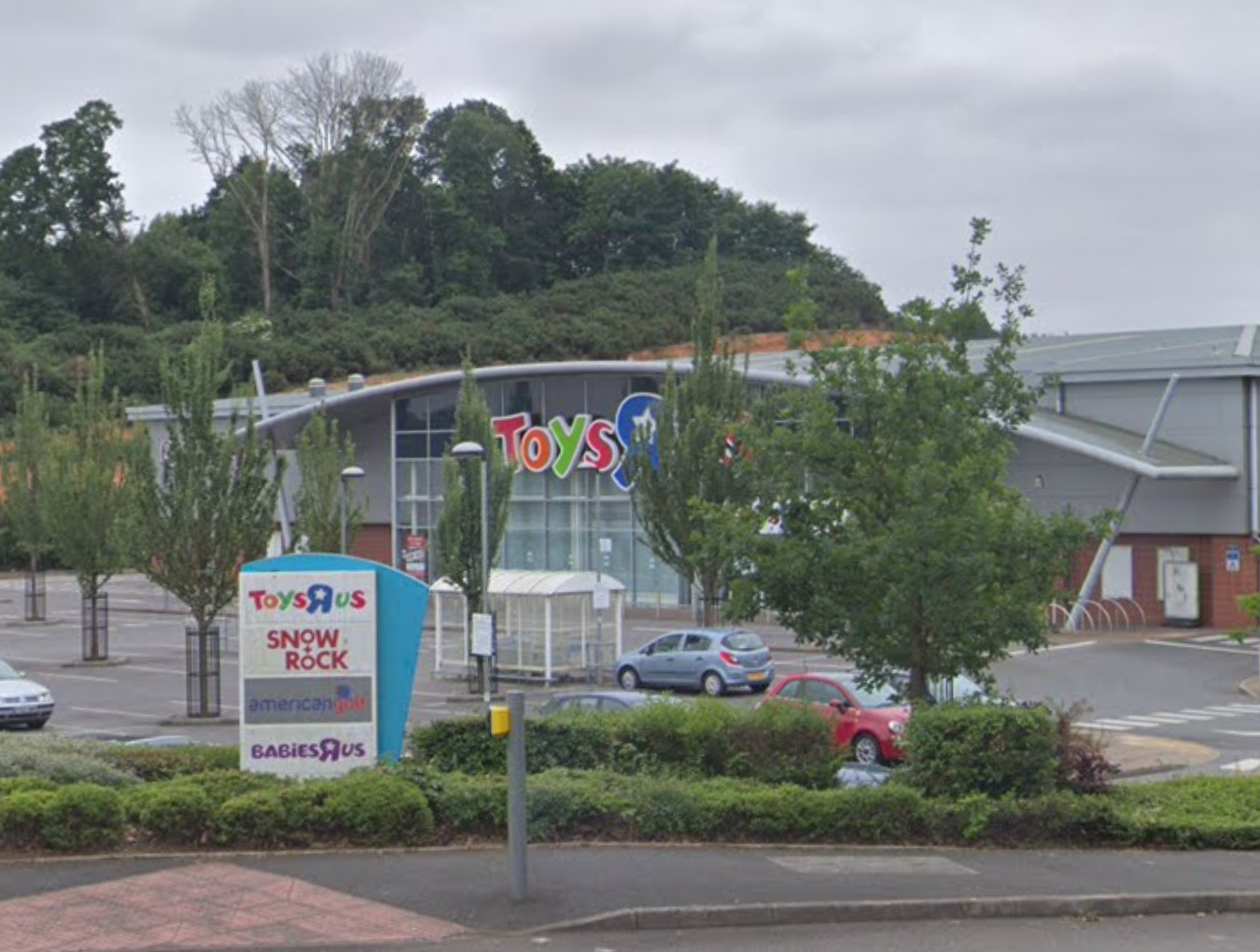
2018 was a particularly sad time for the high street with a number of once-popular retailers facing uncertain times. In fact, the high streets lost over 700 stores, sending 35,000 people packing with retailers such as Toys R Us, House of Fraser and Poundworld in difficulty.
Off-licenses and travel agents - once the cornerstone of a UK high street - are disappearing to be replaced with charity shops, discount stores and popular American coffee shops. Pubs, estate agents and bookmakers are also facing trouble as nightclubs and online availability seem to trump such establishments at present.
It’s the wealthier shoppers that appear to be forced to the out-of-town shopping centres and away from the high street. But, it’s this progression that has been blamed for the high street’s decline with cheaper parking and a greater choice limiting the high street’s appeal.
The online world
Retailers are not only facing trouble from larger shopping centres, but buying online has contributed greatly to the high street’s collapse. Mobile shopping platforms have been given significant investment with the freedom to buy anywhere and at any time striking a chord with shoppers.
The 2018 figures from the British Retail Consortium did not make for good reading for high street stores with footfall falling by 6% in a year - the largest annual decrease since 2010.
Compare that to the UK’s top 20 e-commerce only retailers and the numbers pale into insignificance. Those 20 retailers’ sales grew by 23% with the top three online only retailers (Shop Direct, Asos and Ocado) increasing combined sales by £0.7bn from 2016 to 2017.
Is it irreversible?
Things don’t look good for the high street. And, as the enhancement of technology continues, the internet is likely to grow into an ever-more dominating position. As such, retailers need to reconsider and adapt to the way in which consumers are using the high street - or not at all - and provide a greater impetus for people to visit.
Bringing back the independent shops that people were excited to peruse could help, but times have changed and online is both the present and future.