





How trading shaped Plymouth's history
Given its proximity to the sea, it’s unsurprising that Plymouth’s history is tightly bound with maritime trade. Afterall, it once enabled Britain to foray into new areas of the world.
Like any coastal town, its geography opened up a wealth of trade opportunities on both a national and international scale.
Whilst most dwellers of this port city are more likely to trade online through markets like Oanda these days, the exchanging of goods by hand is what makes its heritage so interesting.
So, how exactly has commerce shaped the city over the centuries?
Fishing
Because of its location, Plymouth began as a fishing village. In the 13thcentury, however, its owner – the head of its priory – introduced a market. And so, it wasn’t long until it was recognised as a town. Naturally, this increased commerce opportunities, which in turn encouraged a flood of new residents, mostly merchants and craftsmen. What were these people looking to trade? Why, fish of course.
Wool
As well as fishing, the exportation of wool was a popular – and very lucrative – trade in Plymouth. In the 16thcentury, it witnessed the biggest boom in this trade in its history. Its last decades, which saw the declaration of the British Empire and more maritime ventures to North America, further increased the profitability of this material.
In addition, local minerals like tin, copper, lime, china clay and arsenic were heavily exported during this period.
Passengers
It wasn’t just goods that were shipped from Plymouth – people were transported from its ports, too. Individuals and families seeking passage to the New World flocked to the city to begin their journey for a better life. Equally, ships carrying travellers from the Americas lead to heightened popularity, population, and profitability of this once small village.
And it remains a gateway to the rest of the world to this day. That’s why companies like Brittany Ferries and Direct Ferries have posts situated there. Even today, Plymouth’s trade history shapes its identity.
The Future
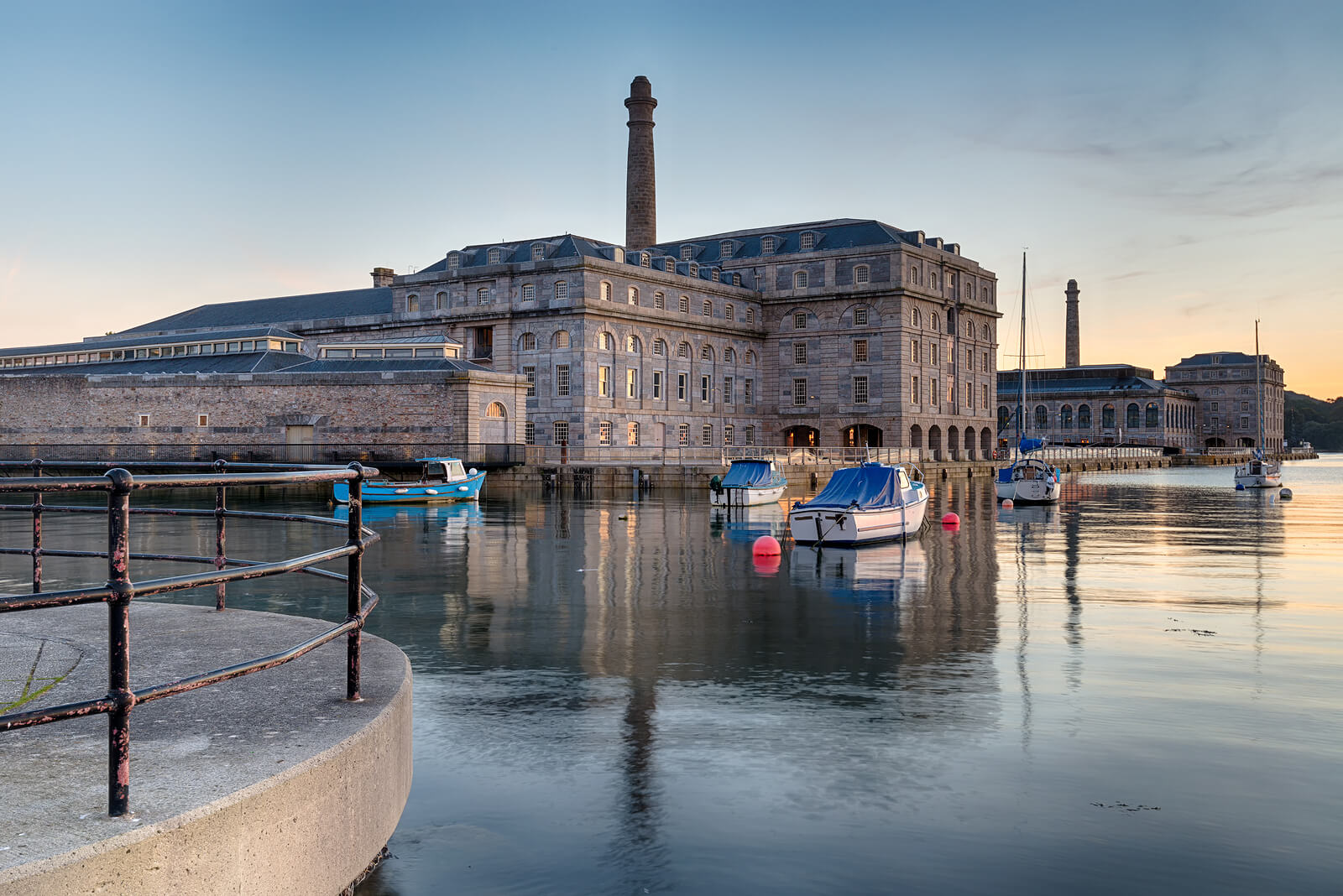
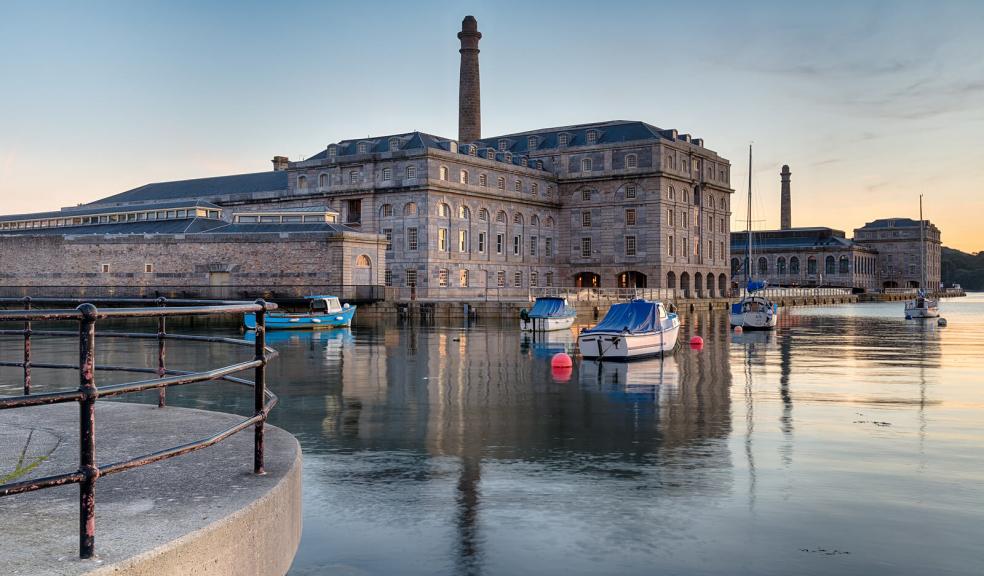
Fishing, wool exportation and maritime adventures are no longer the main sources of income for Plymouth – but trade born in this city continues to thrive. Companies based in this area include retailers, restaurants and legal services – and many are located in the historical, Grade 1 listed Royal William Yard. So, the port city steeped in history is still a hub for business and trade.
As its history illustrates, Plymouth is a place for innovation, adventure and success, which is so many people continue to visit, sample and trade in its delights. So, even in our digital age of online trading, Plymouth continues to offer rich opportunities for business growth.