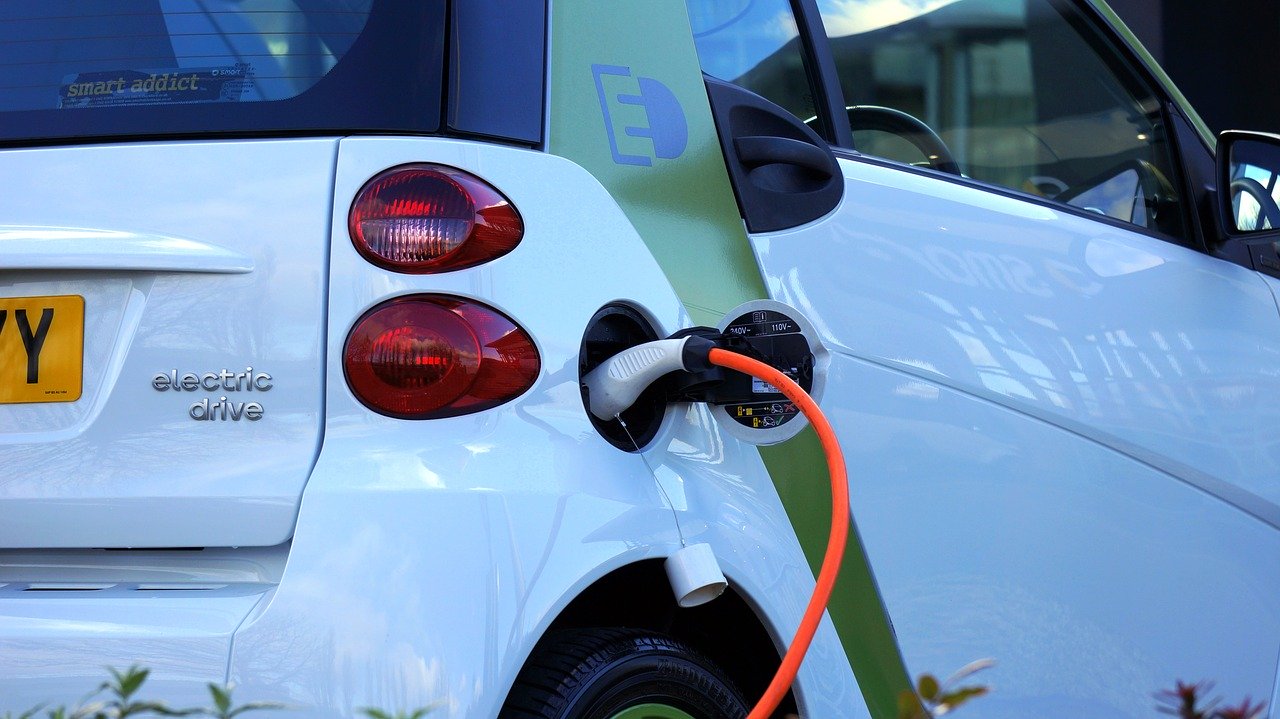






The electric vehicle revolution is just around the corner
We all know that we need to cut pollution and carbon emissions, and in the UK and elsewhere,switching over to electric vehicles (EVs) is a big part of achieving this. Already, electric cars are becoming a more commonplace sight on our roads, and they are no longer the novelty they were once seen as. But how close are we to going all-electric? The answer is that the EVrevolution is closer than you might think.
The end of petrol and diesel
Experts believe that global sales of conventional petrol and diesel-fuelled cars may have already passed their peak, and that in 20 years’ time,over half of new cars sold around the world will be electric. Many think that even this is a conservative estimate. In the UK, the government is committed to banning the sale of new petrol and diesel cars by 2040, and Scotland plans to phase out the sale of petrol/diesel cars by 2032.
Other countries are going further. In Norway, conventionally fuelled vehicles will be banned by 2025, and India intends a similar ban in 2030. Greens in this country say that we should also bring our ban forward by 10 years in order to meet the UK’s commitment to net zero carbon emissions by 2050.
The electric market
During 2019, a new battery-powered EV was purchased in the UK every 15 minutes, and take-up rates are increasing steadily. Yes, electric cars are still very much in a minority, but the number driving around the UK is expected to reach 1m by the end of the year. This figure may be swelled considerably by public sector investment – for instance, a commitment to making all new buses electric, which many are calling for. Buying an electric car remains one of the best ways to help protect the environment.
Improved infrastructure
For anyone thinking of buying an EV, one of the main concerns is the number and location of battery charging points. Although 95% of UK car journeys are less than 25 miles, drivers worry about running out of power in remote areas, something that is of particular concern in Devon and the south-west. Thankfully, our region is relatively well-provided in terms of being able to find an EV charger, as Circular Systems is working to install EV charge points across Devon, Cornwall, Somerset and beyond.
Integration and coordination
The UK Electric Vehicle Energy Taskforce was established in 2018 to advise government and industry on enabling and speeding up the widespread adoption of EVs. Bringing together the automobile and energy sector to coordinate fully integrated infrastructure solutions and to ensure that UK manufacturing doesn’t get left behind by the EV revolution, the taskforce believes that by working together, the cost of upgrading the network can be kept to a minimum while still meeting stated commitments.
UK commitments
The government is currently committed to fully decarbonising the UK road network by following its £1.5bn Road to Zero strategy. 2020 should see the implementation of part two of the Automated and Electric Vehicles Act 2018, which promises improved access to smart charging points in strategic locations. Charging points will become standardised and fully compatible, so there’s no need to worry about not having the right connection socket, or having to download a different app each time you want to pay.
By ensuring that all electric cars are compatible with all EV chargers, and that you can pay as you go using an ordinary debit or credit card, the act should improve the accessibility of electric cars hugely. Other commitments include working with the national grid to improve cyber security and to achieve the necessary smart capabilities, as well as making sure that providers give real-time information on the location and availability of charging points.
New cars
Another barrier to large-scale take-up of EVs is the lack of choice on the market, but this is changing as we speak. All the major auto manufacturers have committed to producing new electric and hybrid models, with many seeing these as the main focus of their linegoing forward. Within the next couple of months,BMW will be launching the first all-electric Mini, and the Volkswagen ID.3 should be available this year with a price starting at £30,000.
Although currently more expensive to buy than conventional cars, EVs are actually cheaper in the long run as fuel and maintenance costs are so much longer. Also, industry experts predict that the upfront cost will reach parity with petrol models within the next two years. Technology is constantly improving to provide longer battery life and faster charging. The future is electric, and it’s already here.