





6 Ways to Keep a Car Running and Save Money
If you own a car and use it to get to work and keep your family moving, then you probably have a small moment of panic when a check engine light illuminates your instrument panel. Even a small repair or check-up can cost a lot of money, and the cost of your car being out of action for a few days can disrupt your home life and bring extra costs.
When we are taught to drive, very few of us are taught car maintenance or even some of the basics about engines and how they should be treated. With cars, a little knowledge can get you a long way, and with the right guidance and some research, you could save yourself thousands of dollars over the years you own your car. These six tips should help you to keep a car running and save you money.
Do Your Own Oil Change
Performing your own oil change is often easier than you think, and maintaining your oil levels correctly and ensuring your oil is clean reduces engine wear, and prevents bigger problems occurring later. Your car’s manual, which you will often find in your car’s glove box, should give you details of which oil suits your engine best.
You’ll find details about changing the oil for your engine in there too, but just checking the oil is a simple enough process. Under the bonnet of your car, on the engine, should be a bright yellow hoop or handle. This is the top of the ‘dipstick’. By removing the dipstick, wiping it clean, and then reinserting and removing it, you can check the oil level of your car’s engine. The oil should cover the bottom end of the dipstick, and your engine’s minimum and maximum oil levels should be marked on the stick. If the oil does not cover the minimum mark, you should add extra oil.
Keep an Eye on Your Gauges
The information your car gives you can be very valuable; it can warn you of problems to come. Your engine’s oil and water temperature will often be displayed, and an increase in these is a sign of trouble. Have a look at what temperature your engine runs at on an average day, after you have been driving for half an hour or so. If you see your gauges go past these normal temperatures, you may have a problem developing and should consult your mechanic before any damage is done. Be sure to account for hot days or aggressive driving when judging your engine temperatures, as these can cause temperature spikes.
Look for Good Value Parts Yourself
When your car goes to a mechanic, you will be charged for parts and labour, but you can often find the parts yourself for your mechanic to fit and save yourself some money. There are lots of guides available, like this article, helping you to source your own vehicle parts. Mechanics are often happy to fit the right part to your car if you have it; it makes their work faster. However, some mechanics will be used to adding a little extra profit to parts, so be sure to check your mechanic is happy for you to find your own.
Make Do and Mend
Sometimes the best way to save some money is not to spend it. You can make a number of cheap repairs to non-essential parts of your car, like in the interior. Interior handles and grabs can often be replaced easily with drawer handles from a DIY store, if you don’t mind the look of it. Broken door mirrors can be replaced with any type of mirror fixed in place, or there are cheap kits to fit any car for just a few pounds.
Torn or stained upholstery can cost thousands to clean or repair. Using blankets or old bed covers are a cheap and easy alternative and gives you the opportunity to bring some colour and pattern to the often dull, grey interiors of cars.
Check Your Tyres
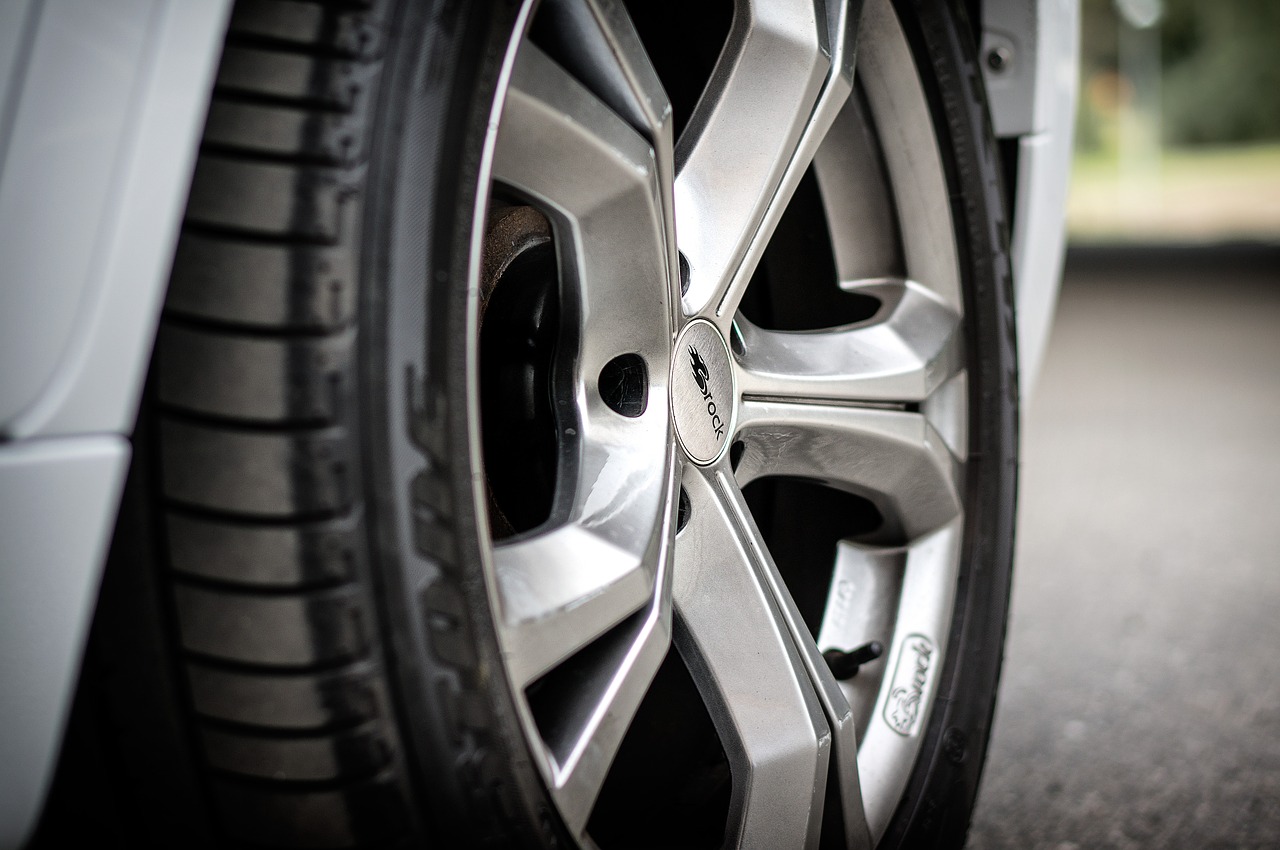
Where the rubber meets the road is very important, and if your tyres are starting to wear the effects can often be felt deeper in your car’s engineering. Your car’s suspension and wheel balancing can be greatly affected by the quality of your tyres, and the depth of their tread.
There are many cars on the road today without the correct tyres for their car fitted, by mistake or from a home tyre change that has been poorly thought through. Getting your tyres checked for the depth of their tread, air pressure, and suitability for your car is an easy way to prevent further, costly damage later on.
Make Friends and Influence People
Sometimes it is not what you know but who you know. Having a mechanic who is a friend, who has a good knowledge of cars, engines, and common road problems can save you thousands over the lifetime of your car. Approaching a mechanic unprepared or without some idea of the problem can often lead to huge repair bills, as some car mechanics will take advantage of an unaware motorist.
Using social media, like Facebook, can often lead you to find you know someone already that has experience with cars and engines and can identify problems, and help you go to a mechanic with enough information to protect your pocket. They may even have the expertise themselves to repair your car for you at a friendly rate of pay.
Keeping your car running is a necessity these days, as there is so much to do where you need to have your car to get you from A to B. Cars save a lot of time, but without proper maintenance and care they will often cost you a lot of money. By using a few of these tips, any motorist can save themselves thousands on their car, and tens of thousands over their driving lifetime. A little bit of knowledge can help you go a long, long way.