





Common Myths About Reverse Osmosis Water
Reverse osmosis https://www.ecosoft.com/en-gb/reverse-osmosis-filters has become one of the most trusted water treatment technologies for improving drinking water quality in homes around the world. Despite its popularity, there are still many misconceptions surrounding reverse osmosis water and how it affects health, taste, and mineral content.
These misunderstandings can make it difficult for homeowners to choose the right water filtration system for their needs. In this article, we'll separate fact from fiction by exploring some of the most common RO water myths and examining the science behind reverse osmosis filtration.
What Reverse Osmosis Water Actually Is
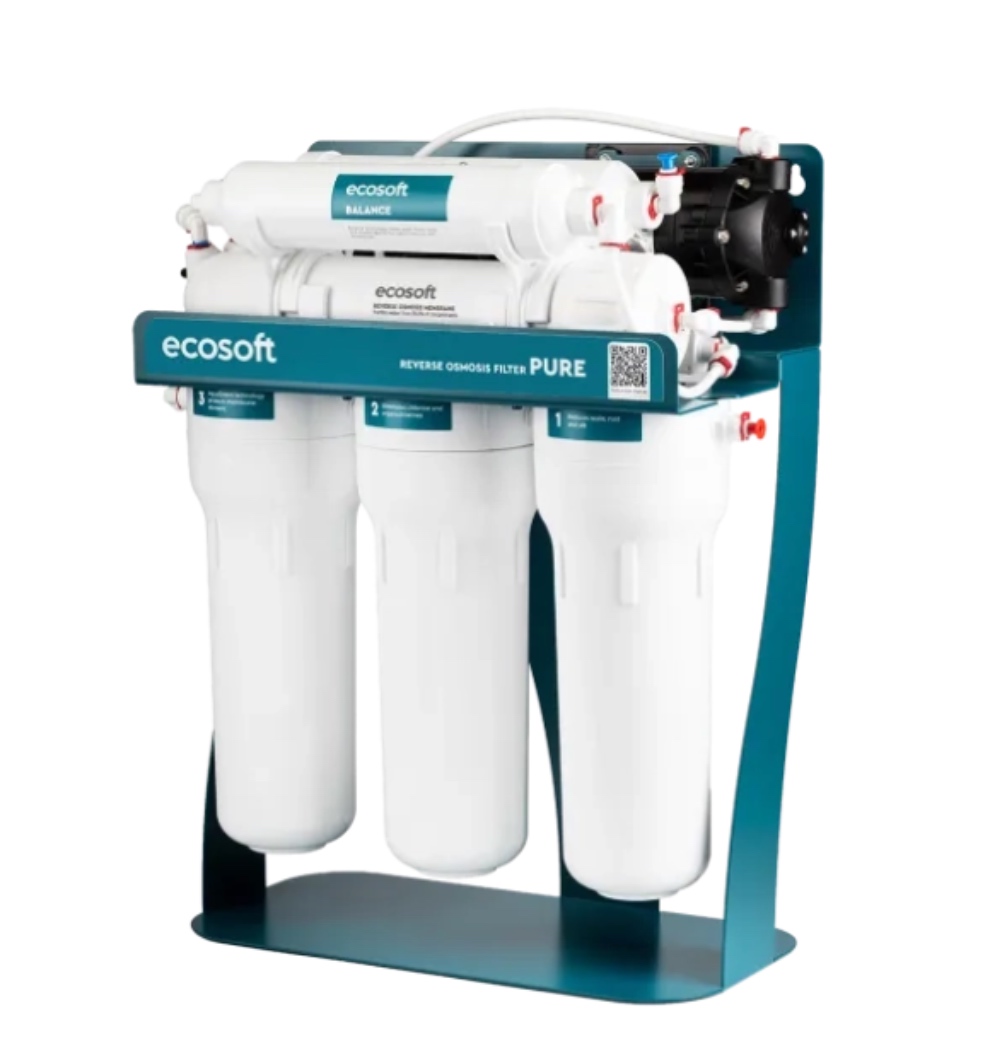
Reverse osmosis water is water that has been purified using a specialised filtration process. An RO system uses pressure to force water through a semi-permeable osmosis membrane, which removes a wide range of contaminants, dissolved solids, and impurities.
Most modern reverse osmosis systems also include sediment and carbon filters that work together to improve water quality before and after the membrane stage. The result is purified water that is cleaner, safer, and often better tasting than untreated tap water.
Reverse osmosis is widely used in homes, healthcare facilities, food production, and industrial applications because of its ability to consistently produce high-quality drinking water.
Myth 1: RO Water Is Unhealthy
One of the most common reverse osmosis myths is that RO water is somehow unhealthy to drink.
In reality, reverse osmosis is recognised worldwide as one of the most effective methods of water purification. The process removes many contaminants that may affect water quality, including heavy metals, nitrates, chlorine, pesticides, and other unwanted substances.
Safe drinking water is defined by the absence of harmful contaminants rather than the presence of specific dissolved solids. Reverse osmosis helps reduce potentially harmful impurities, providing clean water that meets high standards of purity.
Many bottled water brands and commercial water treatment facilities also rely on reverse osmosis technology as part of their purification process, demonstrating its widespread acceptance and safety.
Myth 2: Reverse Osmosis Removes All Beneficial Minerals
Another frequently repeated claim is that reverse osmosis removes all beneficial minerals from drinking water.
While it is true that an RO system reduces many dissolved minerals during the filtration process, water is not the primary source of essential minerals for most people. The majority of nutrients such as calcium, magnesium, and potassium come from a balanced diet rather than drinking water.
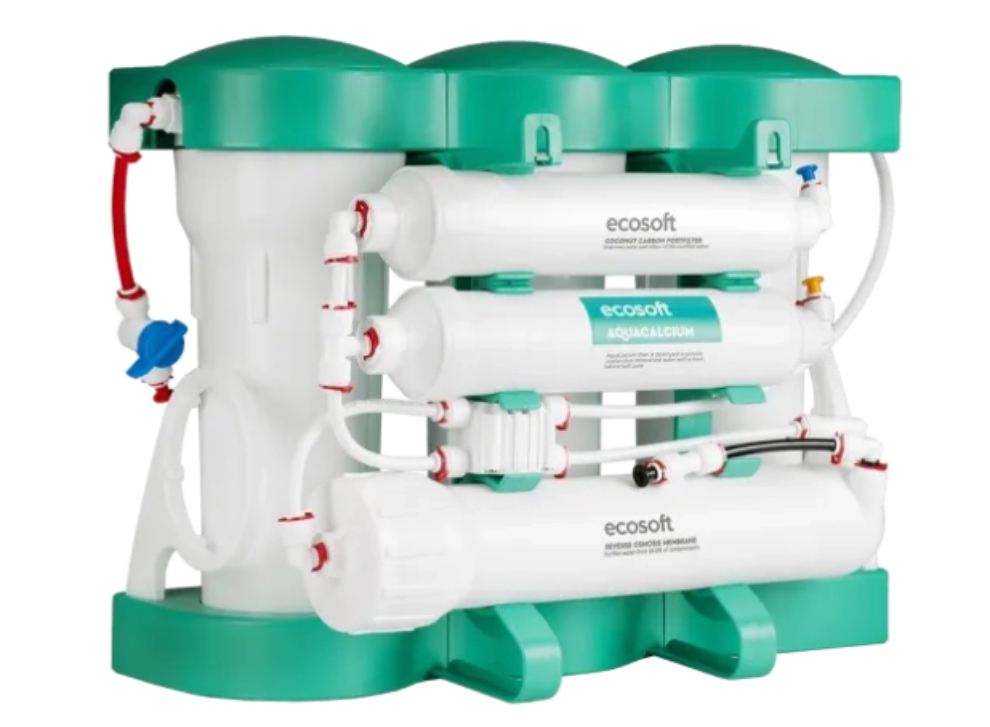
In addition, many modern water purifier systems include remineralisation stages that can add selected minerals back into the purified water after treatment. This allows homeowners to enjoy the benefits of highly purified water while maintaining preferred taste characteristics.
It's also worth noting that mineral water and reverse osmosis water serve different purposes. Reverse osmosis focuses on contaminant removal and water purity, while mineral water is specifically valued for its naturally occurring mineral content.
Myth 3: RO Water Has No Taste
Some people believe that reverse osmosis water has no taste or is unpleasant to drink.
In practice, many users report that purified water from a reverse osmosis system tastes fresher and cleaner than untreated tap water. This is because the filtration system removes chlorine, dissolved contaminants, and substances that can cause unpleasant tastes or odours.
Taste preferences vary from person to person, but the neutral flavour of RO water is often seen as a sign of its purity. For tea, coffee, cooking, and everyday hydration, many homeowners find that reverse osmosis improves the overall drinking experience.
Scientific Facts About RO Filtration
The effectiveness of reverse osmosis is supported by decades of scientific research and practical application. The osmosis membrane used in an RO system is capable of removing a broad range of contaminants, including:
- Heavy metals such as lead and copper
- Nitrates and nitrites
- Chlorine and chloramine
- Fluoride
- Pesticides and herbicides
- Microplastics
- Sediment and particulates
- Certain bacteria and viruses
This high level of filtration makes reverse osmosis one of the most comprehensive home filtration technologies available today.
By combining multiple filtration stages with advanced membrane technology, reverse osmosis systems consistently improve drinking water quality and provide reliable access to purified water.
Conclusion
Misinformation about reverse osmosis can sometimes create confusion for homeowners researching water filtration options. However, the scientific evidence is clear: reverse osmosis is a safe, effective, and proven water treatment solution.
While myths about mineral loss, taste, and health concerns continue to circulate, modern RO systems are designed to deliver clean water, improve water quality, and provide confidence in the safety of your drinking water.
For households seeking a reliable water purifier that offers exceptional contaminant removal and consistent performance, reverse osmosis remains one of the most trusted water filtration systems available today.