





From Panels to Power: Understanding Solar Energy in Devon Homes
As energy costs continue to rise and environmental awareness grows, many Devon residents are exploring renewable energy options for their homes. Solar panels, once considered a luxury, have become a practical way to reduce electricity bills, increase property value, and contribute to a greener future. Understanding what happens when you go solar—from installation to energy production—can help households make informed decisions.
How Solar Panels Work
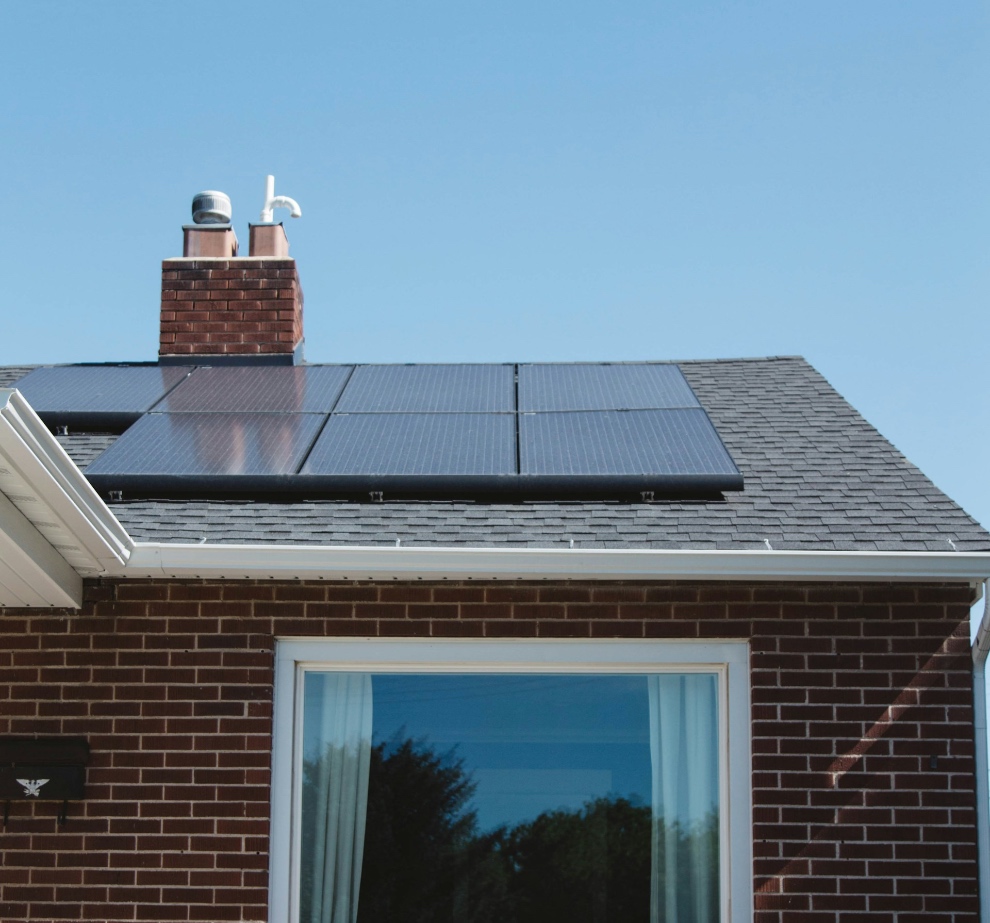
Solar panels convert sunlight into electricity through photovoltaic (PV) cells. These cells capture sunlight and generate direct current (DC) electricity, which is then converted into alternating current (AC) via an inverter to power your home.
Key components of a solar system include:
- Photovoltaic Panels: Capture sunlight and produce electricity.
- Inverter: Converts DC into AC for household use.
- Battery Storage (Optional): Stores excess energy for use during nighttime or cloudy days.
- Metering System: Tracks energy consumption and surplus energy sent back to the grid.
For a deeper understanding of the full process and potential benefits, resources like beyondtheurban.com provide comprehensive guides that explain how solar energy works from start to finish.
Installation Process in Devon Homes
Installing solar panels involves several key steps to ensure efficiency and safety:
- Site Assessment: Professionals evaluate roof orientation, shading, and structural integrity.
- System Design: Panels are configured to maximize energy generation based on your property’s specific conditions.
- Installation: Panels, inverters, and wiring are securely mounted and connected to your electrical system.
- Inspection and Commissioning: Ensures the system meets safety standards and performs optimally.
Key Considerations for Homeowners
- Roof Size and Orientation: South-facing roofs with minimal shading capture the most sunlight.
- Local Regulations: Compliance with planning permissions and building codes in Devon is essential.
- Warranty and Maintenance: Most panels come with 20–25 year warranties, but occasional cleaning and inspections maintain performance.
Monitoring and Maximizing Efficiency
After installation, homeowners can monitor and optimize energy usage:
- Energy Management Systems: Track real-time electricity production and household consumption.
- Battery Integration: Store surplus energy to use during peak demand or nighttime.
- Smart Home Compatibility: Automated devices can optimize electricity usage based on solar generation patterns.
Table 1 shows an example of typical solar output based on system size and sunlight exposure in Devon:
|
System Size (kW) |
Average Annual Output (kWh) |
Suitable for Home Type |
|
3 kW |
2,500–2,700 |
Small households / apartments |
|
4 kW |
3,400–3,600 |
Medium-sized homes |
|
5 kW |
4,200–4,500 |
Larger households |
Financial Benefits and Incentives
Solar panels not only provide clean energy but also offer financial advantages:
- Reduced Utility Bills: Generate your own electricity and lower monthly costs.
- Feed-in Tariffs / Smart Export Guarantee: Earn money by supplying excess electricity back to the grid.
- Government Grants and Rebates: Help offset initial installation costs.
Residents in Devon can take advantage of these incentives to make solar energy more affordable and financially rewarding over the long term.
Sustainability and Community Impact
Beyond cost savings, solar energy supports broader environmental and community goals:
- Lower Carbon Footprint: Reduces household reliance on fossil fuels.
- Energy Independence: Provides resilience against rising energy prices.
- Community Leadership: Encourages neighbors and local businesses to explore renewable energy solutions.
Solar adoption in Devon aligns with national sustainability initiatives and promotes a greener future for communities across the county.
Understanding the journey from panels to power equips homeowners with the knowledge needed to make smart energy choices. By considering installation, monitoring, efficiency, and financial incentives, residents can fully leverage the potential of solar technology while supporting a sustainable Devon.