





How Much Does a New Bathtub Installation Cost in the UK? (2026 Price Breakdown)
The average cost to supply and install a standard bathtub in the UK ranges from £350+ to £2,500+. However, the total can reach £5,000+ for premium options like cast iron or stone freestanding baths requiring significant plumbing and structural work. Labour typically accounts for 40-50% of the cost, with rates in London and the South East being 15-25% higher than the rest of the UK.
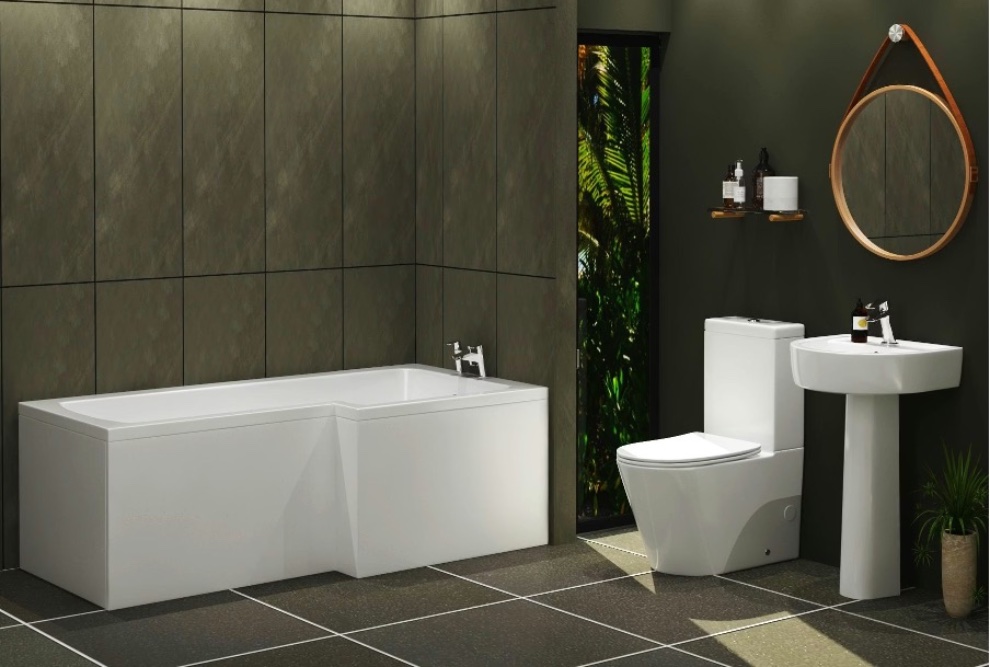
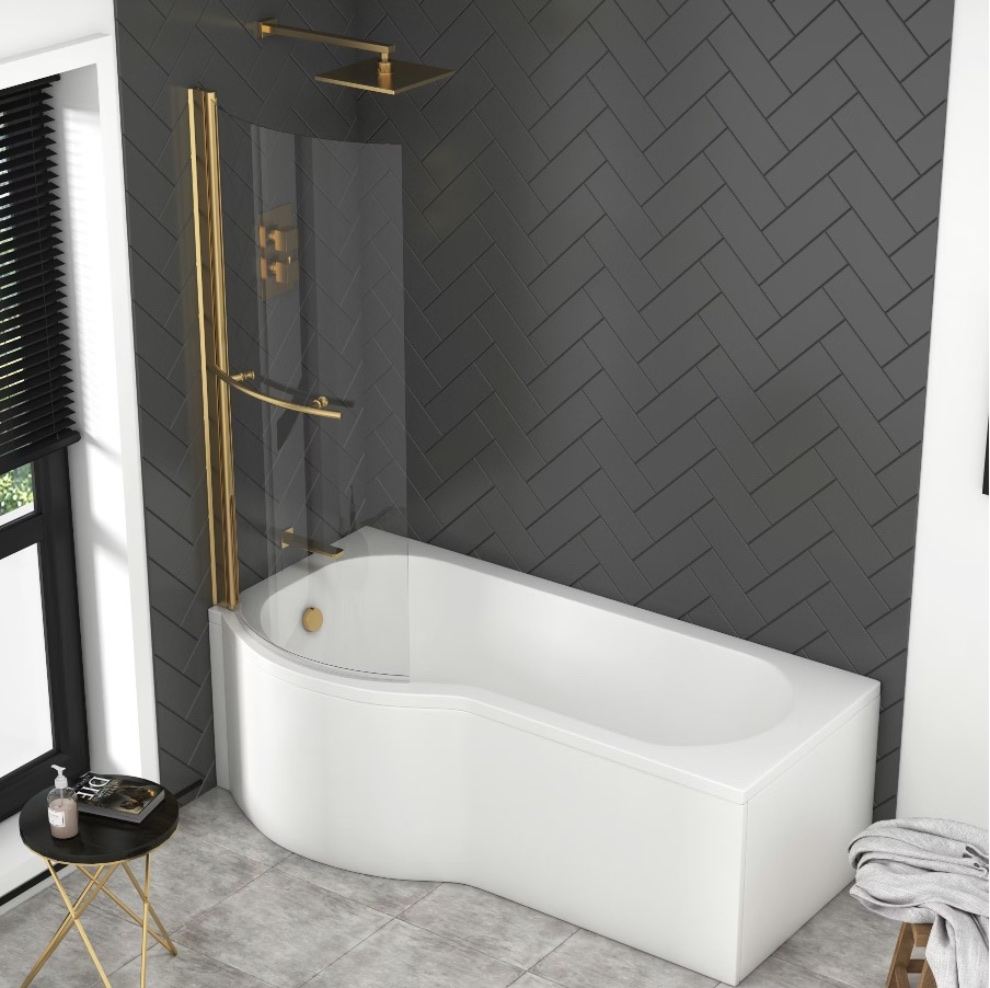
Replacing your old tub with a straight or shower baths ( L or P shape) is a significant home investment. To budget correctly, you need to look beyond the price tag of the tub itself and factor in labour, materials, and the inevitable "hidden costs" unique to UK homes.
Here is the essential 2026 breakdown for UK homeowners.
I. Quick Cost Tables: Bath Only vs. Full Replacement
Use these tables to get a quick estimate based on your desired tub type and installation complexity. All prices are estimates for supply and fit, including average labour costs as of 2026.
A. Average Total Cost by Bathtub Type (Supply & Fit)
|
Bathtub Type |
Estimated UK Price Range (Supply & Fit) |
Key Factors Influencing Cost |
|
Standard Acrylic Fitted Bath (Like-for-Like Swap) |
£350 – £600+ |
Quick installation, minimal plumbing changes. |
|
Standard Steel Enamel Fitted Bath |
£400 – £800+ |
Higher material cost, but similar labour time to acrylic. |
|
Shower Bath (L-Shape/P-Shape) |
£400 – £650+ |
Requires bath screen and often a new shower mixer/riser kit. |
|
Mid-Range Freestanding Acrylic/Composite |
£600 – £1200 |
Complex plumbing (floor-mounted taps/waste), requires two fitters. |
|
Premium Freestanding (Cast Iron / Stone Resin) |
£1500 – £3,500+ |
High material cost, specialist labour, and often requires floor reinforcement. |
B. Typical Labour-Only Costs (The Plumber’s Charges)
This covers the work of a qualified professional to remove the old tub and fit the new one, assuming minimal complications.
|
Task |
Average Time (Labour Hours) |
Average UK Labour Cost (Excluding London) |
|
Remove Old Tub & Dispose |
2 – 4 hours |
£150 – £300 |
|
Install Standard Fitted Bath |
4 – 8 hours |
£300 – £600 |
|
Install Freestanding Bath |
3 – 6 hours |
£200 – £600 |
|
Labour for Minor Pipe Re-routing |
3 – 5 hours |
Add £250 – £450 |
II. The Biggest Factor: Bathtub Material Cost (Supply Only)
The material is the largest variable cost component. Always factor in delivery costs, especially for heavy items like cast iron.
|
Material |
Cost Range (Supply Only) |
Pros & Cons for UK Homeowners |
|
Standard Acrylic |
£120 – £350 |
.Cheapest, lightweight (ideal for upstairs), retains heat well. Prone to scratching. |
|
Steel Enamel |
£250 – £600 |
Highly durable, excellent scratch resistance. But Noisy, can feel cold to the touch, heavy. |
|
Composite/Stone Resin |
£800 – £2,500 |
Luxury feel, excellent heat retention, seamless look. But it is very heavy, expensive. |
|
Cast Iron |
£1,000 – £3,000+ |
Highest quality, exceptional heat retention, lasts decades.But Extremely heavy, often needs floor reinforcement. |
III. Regional Labour Cost Variations (The UK Price Divide)
Plumber and fitter day rates vary significantly across the country. Factor this in when obtaining quotes.
|
UK Region |
Typical Fitter/Plumber Day Rate Range |
Labour Cost Difference vs. National Average |
|
Greater London & South East |
£300 – £400+ per day |
15% - 25% Higher |
|
South West & Midlands |
£250 – £320 per day |
Average |
|
North West, North East & Scotland |
£200 – £280 per day |
10% - 15% Lower |
*When getting quotes, understand that most tradespeople charge two people for heavy bath lifts (like cast iron), which can add a full day's labour cost.
IV. Hidden Costs That Can Increase Your Budget
For older UK properties (Victorian, Edwardian, or even 1930s semis), hidden issues are common and can dramatically increase the final price. That’s why it is always recommended not to modify plumbing unless necessary.
1. Plumbing Modifications (£150 – £1,200)
- Moving Taps/Waste: If your new bath requires moving the taps or the waste outlet (common when switching to a freestanding bath), expect extra costs for pipe re-routing and patching the floor/wall.
- Old Pipework: If your existing copper or lead pipes are brittle or incorrectly sized, a plumber may recommend replacing sections to meet modern standards.
2. Tiling and Wall Surrounds (£200 – £800)
- Like-for-Like: If your new tub is an exact swap, you might avoid major retiling.
- New Size: A new bath size (even a small difference) will expose untiled wall or floor areas. This requires buying new tiles, adhesive, and the labour for a tiler. This may also include structural modifications to adjust the L or P shaped shower baths ( if you are replacing a standard bath for a shower bath).
3. Structural and Water Damage (£300 – £1,500+)
- Rotten Floor Joists: If a leak has been present for a long time, the wooden floor joists underneath the bath may be rotten or weak, requiring immediate carpentry work.
- Floor Reinforcement: Installing a heavy tub (Cast Iron or Stone Resin) in an upstairs room of an older house often requires a structural engineer's sign-off and the strengthening of the floor beneath it.
4. Disposal of the Old Bath (£50 – £150)
- Tradespeople usually include basic disposal, but getting rid of a massive, heavy cast iron bath will often incur a separate fee or require you to hire a specialist waste carrier.
V. Expert Cost-Saving Tips
- Stick to the Footprint: The single biggest saving is choosing a new bath that fits the exact same size and plumbing position as your old one (a like-for-like replacement). This minimises expensive plumbing and tiling work. Simply changing the shape in the same manner may not be a problem. For example you are replacing a 1500mm standard bath with a 1500mm L shaped shower bath may not create a problem or necessarily increase the overall costs of installation.
- Supply Your Own Fittings: Buy your own taps, waste, and bath panels. Plumbers often add a mark-up (around 15-20%) to materials they source. You can save money by finding them on sale yourself.
- Choose Acrylic for Upstairs: If your bathroom is not on the ground floor, choosing a quality double-skinned acrylic bath avoids the structural expense and risk associated with heavy steel or stone models.
- Get Three Quotes: Always get a minimum of three detailed quotes from different local, accredited bathroom fitters or plumbers. Ensure the quotes explicitly state what is included (e.g., waste disposal, sealing, and basic making good).
Ending Thoughts
The cost of a new UK bathtub installation in 2026 depends on various factors. You may end up spending anywhere from around £350 for a simple acrylic bath swap to over £5000 for a premium freestanding statement piece. The estimated final figure is far more complex than knowing Tub’s price tag alone. Labour costs that usually make up half of the costs will dramatically increase if you move away from the like-for-like replacement of encountering hidden issues common in older properties, such as floor rot or plumbing re-routing.