





How Local Eating Habits Affect Wellness: Exploring High-Protein Diet Trends
Across Devon, conversations about food and wellbeing are evolving. While traditional favourites still play an important role in local culture, more people are paying closer attention to how what they eat affects their daily energy, focus, and long-term health. This shift has brought increased interest in higher-protein ways of eating, which many see as a practical response to busy lifestyles and active routines. From gym-goers to coastal walkers, curiosity now extends beyond meals to snacks as well, including niche options such as treats for carnivore diet that reflect how diverse local eating habits have become.
High-protein diets are no longer confined to athletes or fitness enthusiasts. They are increasingly discussed among people looking for steadier energy levels, simpler food choices, or alternatives to highly processed snacks. In Devon, where outdoor activity is part of everyday life for many residents, this trend fits naturally into local routines.
The Role of Protein in Everyday Eating
Protein plays a central role in how the body functions, supporting muscle maintenance and helping people feel fuller for longer. For those juggling work, family commitments, and leisure time, meals and snacks that provide sustained energy can feel more practical than those that cause quick highs and lows.
Many residents are becoming more conscious of how refined carbohydrates and sugary snacks affect their concentration and mood. As a result, protein-focused foods are often seen as a way to avoid mid-afternoon fatigue or the need for constant grazing. This doesn’t necessarily mean dramatic dietary changes, but rather small adjustments in what people reach for between meals.
Public health guidance supports the growing interest in protein-rich eating when it is approached sensibly. According to the UK’s National Health Service (NHS), protein is essential for maintaining muscle mass, supporting recovery, and helping the body function properly, particularly for adults who are physically active. The NHS also notes that meals containing adequate protein can help with satiety, which may reduce reliance on frequent snacking and contribute to more stable energy levels throughout the day.
Local Lifestyles and Dietary Choices
Devon’s lifestyle plays a role in shaping these trends. From long walks along the coast to cycling routes and time spent on Dartmoor, physical activity is woven into daily life for many people. Eating habits often adapt to support that activity, favouring foods that feel satisfying and convenient.
High-protein diets appeal to those who want fuel that aligns with an active schedule. Instead of relying on packaged snacks, some are experimenting with simpler, more nutrient-dense options that fit into backpacks, work bags, or car glove compartments. These choices reflect a broader desire for food that feels functional as well as enjoyable.
Shifting Away From Processed Snacking
Another factor driving interest in protein-focused eating is a growing awareness of processed foods. Many shoppers are scrutinising ingredient lists more closely than they did in the past, questioning additives, excess sugar, and artificial flavourings.
This shift doesn’t mean people are giving up treats entirely. Instead, it reflects a redefinition of what a “treat” looks like. For some, indulgence is no longer associated with sweetness alone but with foods that feel nourishing and aligned with personal health goals. High-protein snacks fit neatly into that mindset, offering an alternative to traditional confectionery.
Community Conversations Around Wellness
Wellness in Devon is often discussed in community settings, whether through local fitness groups, social media conversations, or casual chats in cafés and markets. Diet trends tend to spread through word of mouth rather than formal programmes, shaped by personal experiences and shared recommendations.
As more people experiment with higher-protein eating, stories about improved energy or simpler meal planning circulate, encouraging others to explore similar approaches. This organic spread of ideas reflects how local eating habits evolve: gradually, informally, and rooted in everyday life rather than strict rules.
Finding Balance Rather Than Extremes
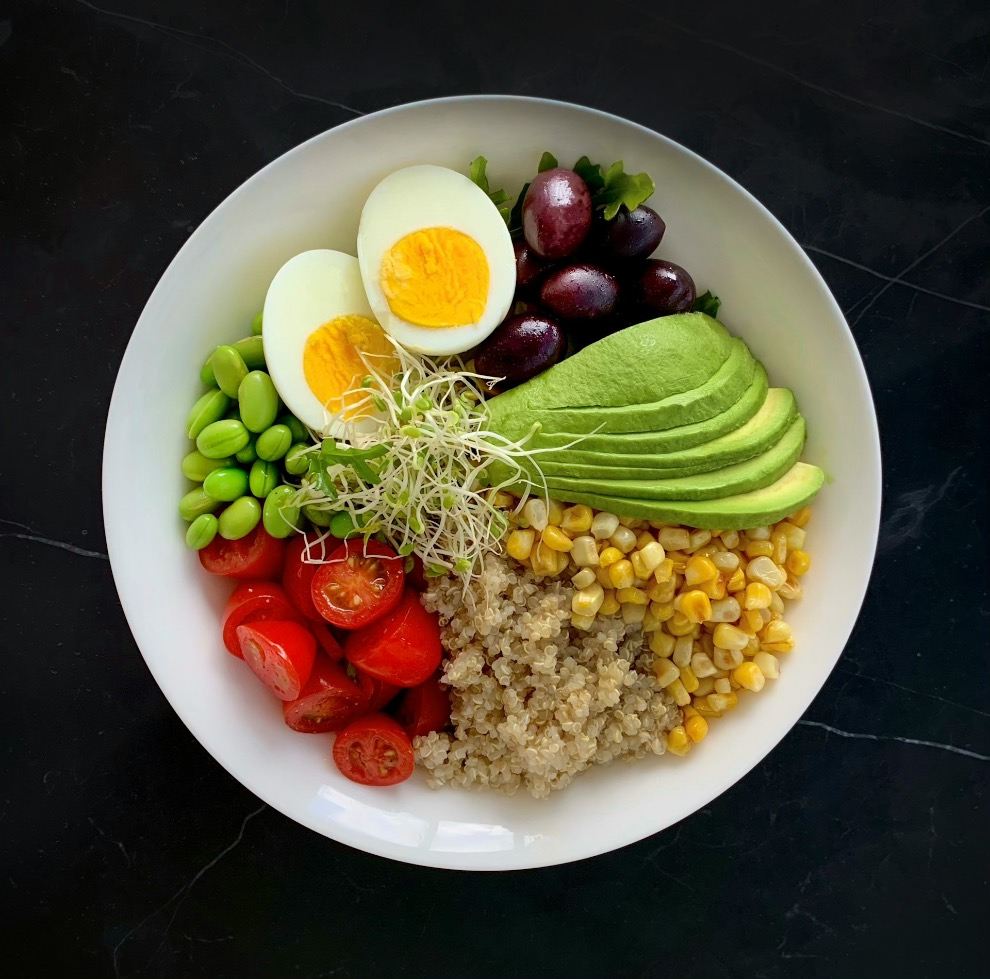
It’s important to note that high-protein diets mean different things to different people. For some, it involves increasing protein intake alongside vegetables and other foods. For others, it means simplifying meals or focusing on specific dietary frameworks. In most cases, the emphasis is on balance and practicality rather than strict adherence to labels.
Local wellness conversations often highlight the importance of listening to one’s own body and adapting food choices to individual needs. This flexible approach allows people to explore trends without feeling pressured to follow them rigidly.
How Local Food Culture Adapts
Devon’s food culture has always been adaptable, blending tradition with new influences. Just as global cuisines have found a place alongside local dishes, modern dietary ideas are being woven into everyday eating without replacing what already exists.
High-protein diet trends are part of this ongoing evolution. They sit alongside cream teas, fresh seafood, and seasonal produce, offering additional options rather than competition. This coexistence reflects a broader understanding that wellness is personal and that local food culture can accommodate a wide range of preferences.
A Reflection of Changing Priorities
The growing interest in high-protein diets says as much about lifestyle priorities as it does about nutrition. People are seeking foods that support how they live, work, and relax. In Devon, where wellbeing is closely tied to nature and community, eating habits naturally reflect those values.
As local conversations around food continue to evolve, high-protein choices are likely to remain part of the picture. Not as a passing fad, but as one of many ways residents adapt their eating habits to feel better, stay active, and enjoy daily life a little more fully.