




How Feldenkrais Transforms Physical and Mental Well-being
In the middle of the 20th century, the Ukrainian-Israeli physicist Moshé Feldenkrais devised his method for manipulating the human body, and thereby attaining a better quality of life. Today, it’s often seen as a way of becoming more aware of your physical presence in space, in a manner not dissimilar to yoga and mindfulness meditation. It emphasises gentle movement, and a constant awareness of the body and what it’s doing.
Physical Benefits
So, what is it that makes this method worthwhile? First, let’s look at the physical benefits. Practitioners report superior flexibility and coordination, and a better awareness of their body. For those who’ve suffered a serious injury, it can also be a great way to deal with pain, and to attain a better sense of balance and posture.
The precise benefits are difficult to quantify and objectively verify – which is what sees this practice labelled as ‘alternative’ medicine. But, if you’re recovering from an injury, it might be well worth trying.
Mental and Emotional Benefits
When you’re in the middle of a session, you might feel a sense of clarity that comes from focusing your attention on your body. This feeling can often persist, long after the session has concluded. You might enjoy a lasting sense of satisfaction and mental focus, which endures with repeated practice. This might help you to deal with anxiety related to AI in your chosen industry.
How Feldenkrais Works
The method hinges on neuroplasticity – which is the extent to which the brain is capable of rewiring itself as we learn from experience. This tends to decline as we age – but that needn’t imply that the method can’t offer benefits to older people.
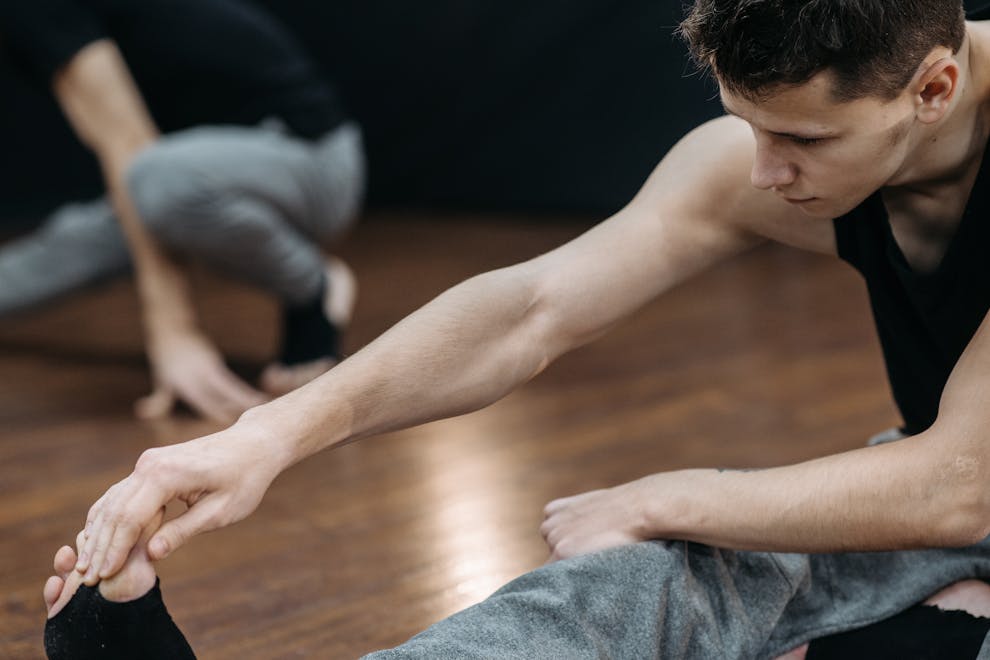
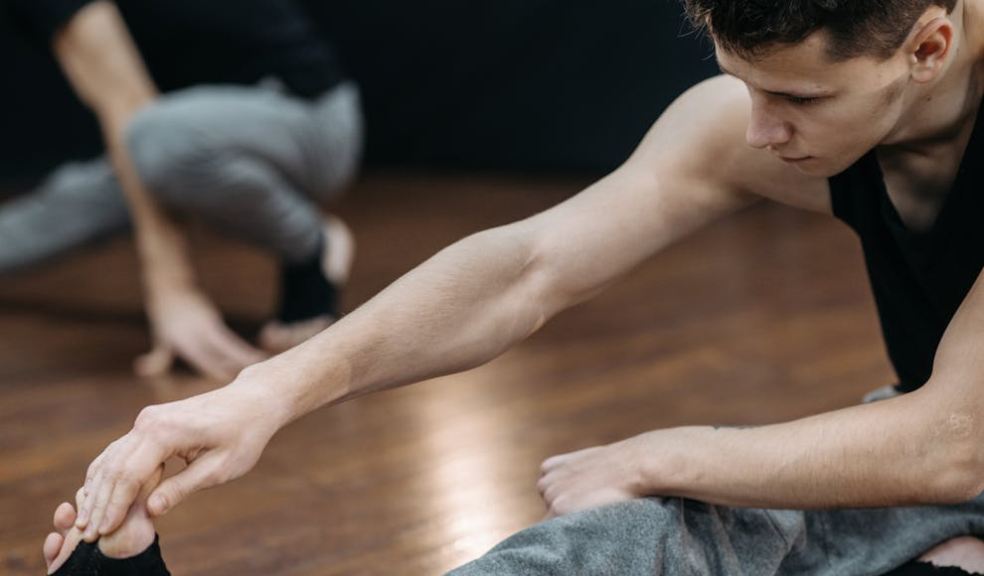
In group classes, you’ll often focus on awareness through movement. You’ll learn to reach, turn, and shift your weight in a way that forces you to attend to the sensations involved. This is the process via which you’ll develop what’s called ‘Awareness Through Movement.’
When you’re practising on your own, the emphasis will usually shift toward what’s known as ‘Functional Integration’. This will involve a teacher physically moving you into new positions.
Applications and Accessibility
Whatever your age, and whatever your physical condition, there’s a chance that this method might fit your needs. You might use it to rehabilitate yourself, as we’ve mentioned, after a major injury. Or you might use it to prevent such an injury from being suffered in the first place. It can be highly useful for athletes and sportspeople, as well as anyone who needs control of their body for professional reasons. Singers and other musicians, for example, might benefit tremendously from the insights that the method can bring.