





What Devon's Rural Employers Should Know About Workplace Drug Testing
Running a business in rural Devon comes with a specific set of workplace safety concerns that don't always get the same attention as they do in cities. Farms, quarries, forestry operations, and small manufacturing sites often involve heavy machinery, isolated work locations, and long shifts, all of which raise the stakes when it comes to making sure staff are fit for the job at hand. Devon's rural workplaces have already had to think seriously about first aid provision given how far some sites sit from the nearest hospital. Drug and alcohol testing policy deserves a similar level of consideration, and for many smaller employers, it's an area that gets overlooked simply because nobody's had a reason to think about it yet.
Why This Matters More in Rural, Machinery-Heavy Workplaces
The risk profile on a farm or quarry is different from an office. Operating a tractor, chainsaw, forklift, or piece of quarrying equipment while impaired isn't just a productivity problem, it's a genuine safety hazard to the person doing the work and to anyone nearby. Because rural sites are often smaller and more spread out, supervision can be thinner too, meaning an impaired worker might not be noticed as quickly as they would on a tightly managed factory floor.
UK employers aren't required by law to run drug testing programmes in most industries, but many choose to as part of a broader duty of care, particularly in sectors covered by the Health and Safety at Work Act where employers are expected to take reasonable steps to protect staff from foreseeable harm. For businesses running heavy equipment, insurers and industry bodies increasingly expect some form of documented policy, even if it's a simple one.
Getting Started Without Overcomplicating It
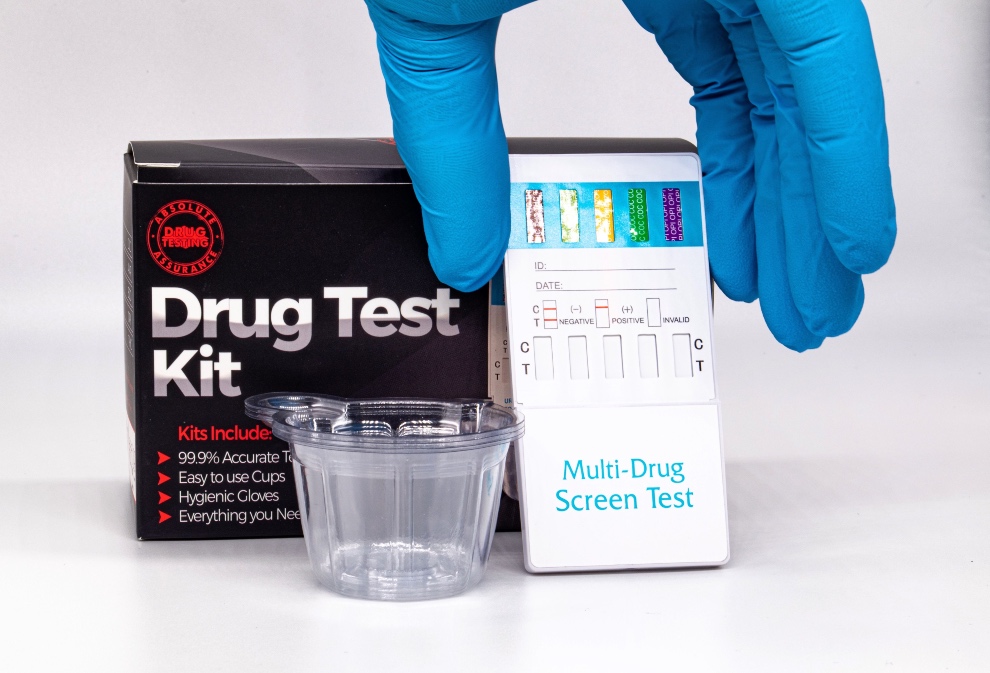
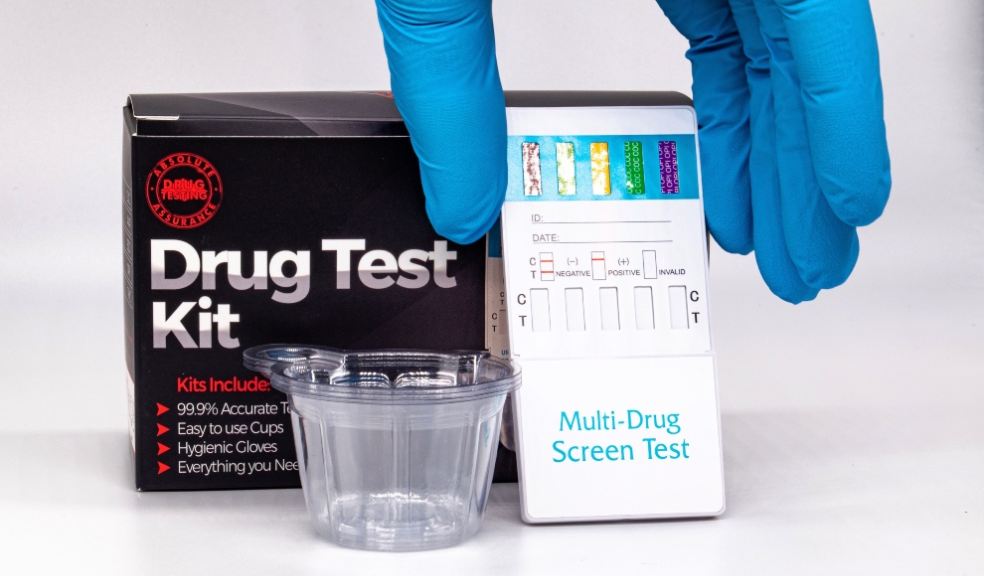
Smaller Devon businesses often assume that a testing programme means expensive lab contracts and complicated logistics, which puts a lot of employers off before they even look into it properly. In reality, a basic policy can be built around simple, on-site testing tools that don't require lab processing for an initial screen. Multi-panel test cups and dip cards can screen for a wide range of substances in minutes, giving employers a fast first read before deciding whether a confirmatory lab test is warranted.
This is the approach a supplier like 12 Panel Now is built around. As one of the largest suppliers of drug testing products in the US, they offer CLIA-waived, FDA-approved test cups, cartridges, dip cards, and oral swabs covering anywhere from twelve to twenty-eight substances at once, along with bulk and wholesale options that make sense for a business setting up a policy from scratch rather than testing one person at a time.
Building a Fair, Consistent Policy
The detail that trips up a lot of employers isn't the testing itself, it's consistency. A policy that gets applied unevenly, tests some staff and not others without a clear reason, or gets introduced only after an incident, tends to create more workplace friction than it resolves. Rural employers who've handled this well typically write the policy down clearly, communicate it before it's needed, and apply it the same way across every relevant role, whether that's random testing, pre-employment screening, or post-incident testing after a near miss.
For a small business without an HR department, that might mean nothing more than a one-page document explaining when testing happens, what it covers, and what happens with the results. It doesn't need to be complicated to be effective, and having something in writing tends to matter more than the specifics of the testing method itself.
A Small Investment That Protects a Lot
Devon's rural economy depends heavily on people operating equipment safely, often with limited backup and far from immediate help if something goes wrong. A modest, sensibly run testing policy is a relatively small addition to a business's safety planning, but it closes a gap that a lot of smaller operations haven't gotten around to addressing yet.
Frequently Asked Questions
Are UK employers legally required to drug test staff?
Not in most industries, though some safety-critical sectors have specific expectations. Many employers choose to test voluntarily as part of their broader health and safety obligations.
What's the difference between an on-site test and a lab test?
On-site tests like cups or dip cards give a fast initial screen, usually within minutes, while lab tests confirm results with greater precision. Many employers use on-site testing first and send positive results for lab confirmation.
Do small rural businesses really need a formal policy?
Any business operating heavy machinery or working in isolated locations benefits from a written policy, both for safety and for demonstrating a reasonable duty of care if an incident occurs.
Is workplace drug testing expensive to set up?
Not necessarily. Bulk-purchased test cups or dip cards keep per-test costs low, making it realistic for smaller businesses to start a programme without a large upfront investment.