






Top risks to trade businesses in 2026
The year ahead brings opportunities, but it also carries challenges that, if ignored, can disrupt your work and damage your reputation. Trade professionals operate in an environment where costs rise quickly, regulations tighten and clients expect more for less. When you understand the risks and act early, you protect your business and keep control.
Physical hazards
Most trade businesses work with dangerous tools, machinery and materials every day. A single lapse in attention can lead to serious injuries. Slips, trips or falls remain one of the most common causes of harm in the workplace, for example.
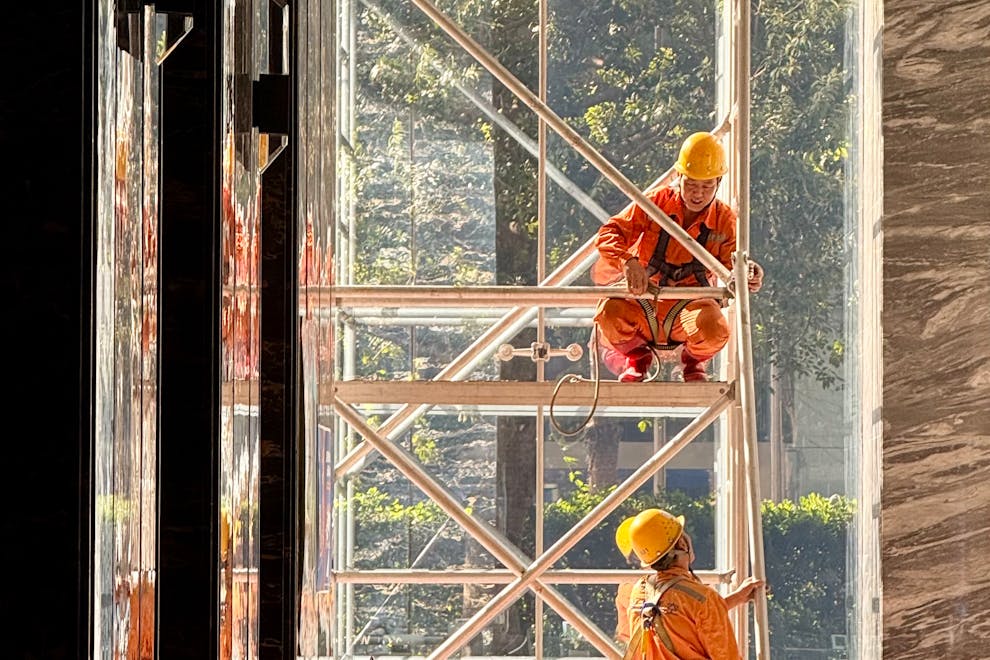
If you use ladders or scaffolding, inspect them ahead of every job, and keep walkways clear to prevent trips. To further reduce accidents, train staff to handle power tools correctly and conduct thorough safety checks.
Workplace illness
Illness often develops quietly. Dust and chemicals in your working environment can damage lungs and skin over time – but physical health is only part of the picture. Stress, depression and anxiety account for the majority of days lost due to work-related ill health.
You should monitor working patterns and encourage open conversations about mental wellbeing. Provide access to confidential support services and train supervisors to recognise early signs of burnout. If someone shows changes in mood or behaviour, aim to act quickly and adjust workloads before problems escalate.
Legacy risks
Older buildings still hide dangers that many underestimate. Asbestos and workplace illness remain a serious concern in refurbishment and demolition projects, for example.
Before starting work, commission a professional survey to identify asbestos-containing materials and never disturb these materials without a licensed contractor. Otherwise, you expose your team and clients to life-threatening conditions and become vulnerable to legal claims.
Financial volatility
Material prices and labour costs are predicted to rise by a further 15% in the next five years. If you fail to plan for these changes, you risk losing profit or even running at a loss, so aim to review supplier agreements and negotiate fixed rates where possible. You can use forecasting tools to track trends and adjust your pricing to stop spiralling costs.
It’s always a good idea to keep a reserve fund and avoid over-reliance on a single client or contract. Diversifying income gives you stability when markets shift.
Compliance
Regulations evolve constantly, and enforcement throughout the UK and Europe is strict. If you fall behind changes such as new provisions from the Building Safety Act 2022, fines and reputational damage await – so stay informed by subscribing to industry updates and accredited training.
You’ll want to keep your documentation accurate and accessible, too, from risk assessments to insurance certificates, and schedule regular audits to spot gaps before inspectors do. Compliance is more than a legal requirement – it reassures clients that you operate responsibly and professionally.
Nobody can predict every challenge, of course, but you can control how you prepare for them. When you treat risk management as part of a daily routine – not an afterthought – you build a culture of resilience. In 2026, the pros that thrive will be those who stay proactive and vigilant.