





How Smart Storage Systems Are Optimising Warehouse Capacity
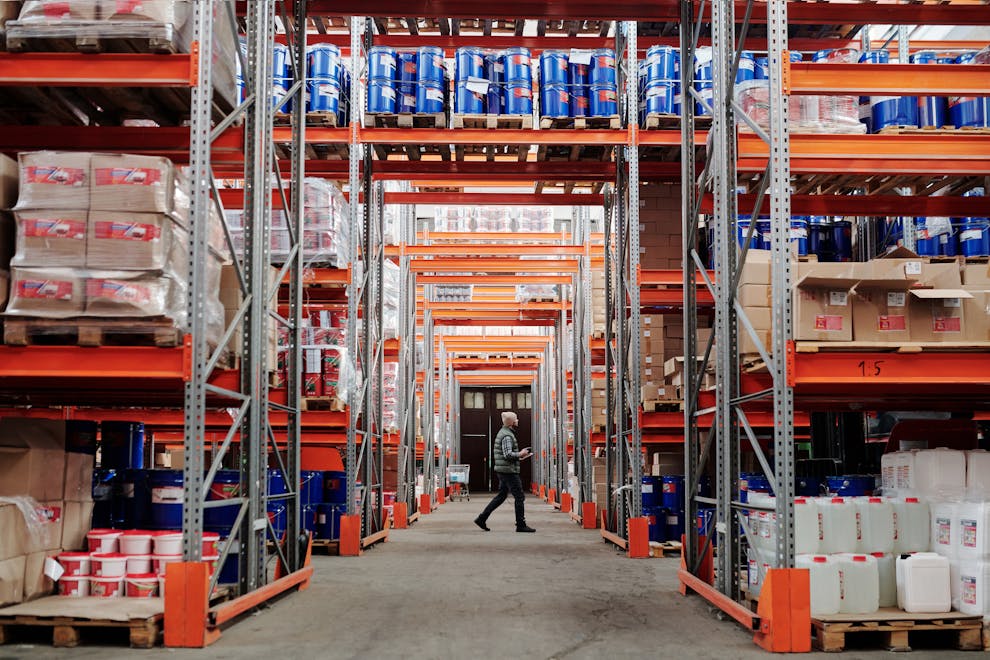
Warehousing across the UK is facing sustained pressure as supply chains expand and consumer expectations continue to accelerate. The growth of e-commerce, coupled with increasing demand for rapid delivery, has forced operators to rethink how space is used within existing facilities. In this environment, warehouse capacity is no longer defined simply by square footage. Instead, it is measured by how efficiently that space can be organised, accessed and adapted to fluctuating demand.
From Static Storage to Intelligent Systems
Traditional storage models, which relied heavily on fixed shelving and manual processes, are gradually being replaced by smart systems designed to maximise every available metre. These systems combine automation, data analytics and modular infrastructure to create more responsive storage environments. By reducing wasted space and improving accessibility, businesses are able to increase throughput without the need for costly expansion or relocation.
Vertical Expansion and Structural Efficiency
A significant part of this transformation involves making better use of vertical space. Facilities that once operated on a single level are increasingly adopting multi-tiered storage solutions to expand capacity within the same footprint. In many cases, businesses are working with mezzanine floors installers to introduce additional levels that support both storage and operational activity. This approach not only increases usable space but also helps to separate workflows, improving efficiency and safety across the facility.
Automation Driving Space Optimisation
Automation lies at the centre of modern storage strategies. Automated storage and retrieval systems are enabling warehouses to store goods more densely while maintaining rapid access. These systems use robotics and conveyor networks to move items efficiently, reducing the need for wide aisles and manual handling areas. As a result, storage density increases significantly, allowing businesses to accommodate higher volumes within the same physical space.
Data Led Decision Making in Storage Design
The integration of data analytics is another critical development. Smart storage systems generate real-time insights into inventory levels, movement patterns and space utilisation. This data allows warehouse managers to make informed decisions about layout adjustments and stock placement. Frequently accessed items can be positioned for quicker retrieval, while slower-moving goods are stored in less accessible areas, ensuring optimal use of available capacity.
Flexible and Modular Storage Solutions
Flexibility has become a defining feature of modern warehouse design. Modular storage systems can be reconfigured quickly to accommodate changes in product range or demand cycles. This adaptability is particularly valuable in industries where inventory profiles shift regularly. By avoiding fixed layouts, businesses can respond more effectively to market changes without undertaking major structural alterations.
Improving Workflow Efficiency Through Design
Efficient storage is closely linked to workflow design. Smart systems are developed with the movement of goods and personnel in mind, ensuring that storage locations align with operational processes. By reducing unnecessary travel distances and minimising bottlenecks, these systems contribute to faster order fulfilment and lower labour costs. The result is a more streamlined operation where capacity is used to its full potential.
Enhancing Safety in High Density Environments
As storage density increases, maintaining safety becomes even more important. Smart storage systems incorporate features that support safe operations, including clearly defined pathways, automated handling processes and real-time monitoring. By reducing reliance on manual handling and improving visibility across the warehouse, these systems help to lower the risk of accidents while maintaining high levels of productivity.
Sustainability and Resource Efficiency
Optimising warehouse capacity also has environmental implications. By making better use of existing space, businesses can reduce the need for new construction, lowering their overall carbon footprint. Energy efficiency is also improved, as compact storage layouts require less lighting and climate control. Many modern systems are designed with sustainability in mind, using materials and technologies that minimise environmental impact over their lifecycle.
Integration with Digital Supply Chains
Smart storage systems are increasingly integrated with broader digital supply chain networks. Warehouse management systems communicate with inventory platforms, transport systems and customer interfaces to ensure seamless operations. This connectivity allows businesses to respond quickly to changes in demand, ensuring that storage capacity is aligned with real-time requirements. The result is a more agile and resilient supply chain.
Retrofitting Existing Warehouses for Modern Needs
For many businesses, the challenge lies in upgrading existing facilities rather than building new ones. Retrofitting older warehouses with smart storage systems can deliver significant gains in capacity without the disruption of relocation. Advances in modular design and automation technology have made it possible to implement these upgrades in stages, allowing operations to continue while improvements are introduced.
Economic Benefits of Capacity Optimisation
The financial case for smart storage systems is becoming increasingly clear. While initial investment can be substantial, the long-term benefits often outweigh the costs. Increased storage capacity reduces the need for additional facilities, while improved efficiency lowers operational expenses. Businesses also benefit from faster order processing and improved customer satisfaction, which can drive revenue growth.
Industry Collaboration and Innovation
The development of smart storage systems is supported by collaboration across multiple disciplines, including engineering, logistics and data science. This interdisciplinary approach ensures that solutions are both technically robust and operationally practical. As technology continues to evolve, new innovations are expected to further enhance storage efficiency and capacity utilisation.
A Strategic Approach to Capacity Management
In an increasingly competitive logistics landscape, the ability to optimise warehouse capacity is becoming a key differentiator. Smart storage systems offer a practical and scalable solution, allowing businesses to maximise efficiency while maintaining flexibility and safety. As organisations continue to invest in these technologies, warehouse design is evolving from a static framework into a dynamic, data-driven environment that supports long-term growth.