





How Local Devon Businesses Use Sticky Labels to Stand Out at Markets and Farm Shops
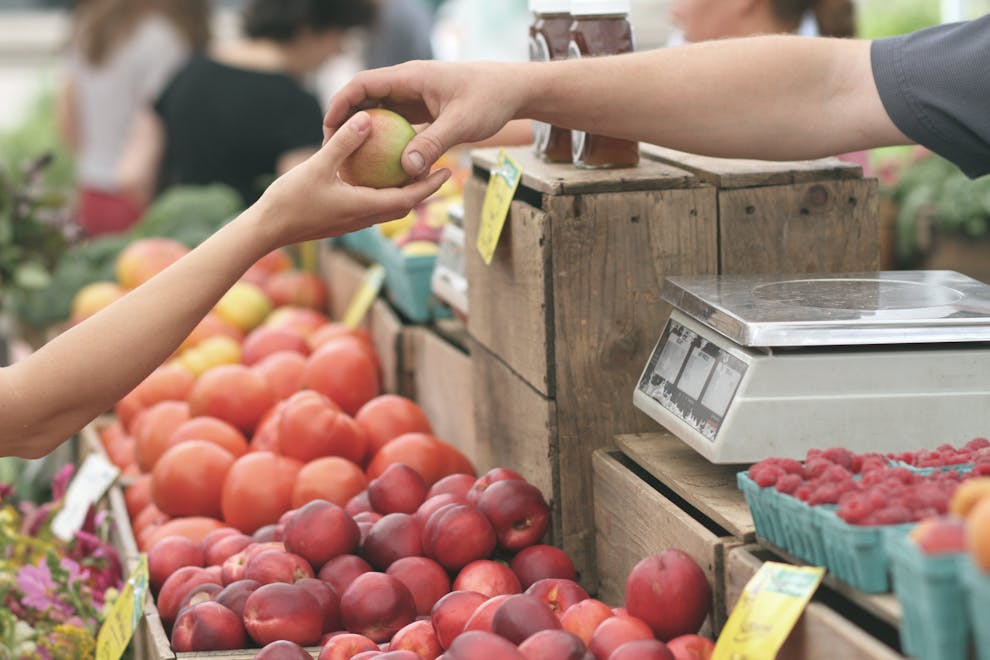
Walk through any Devon farmers' market on a Saturday morning and something becomes clear within minutes. The stalls that draw the biggest crowds aren't always selling the best products. They're selling the best-looking ones.
From Totnes to Barnstaple, Exeter Quay to Tavistock Pannier Market, small producers across the county are discovering that professional labelling can make the difference between a customer walking past and a customer stopping to pick something up. And in a world where first impressions happen in under three seconds, that matters enormously.
Why Presentation Has Become a Priority
Devon's artisan food and drink scene has exploded over the past decade. The county is now home to more than 200 regular markets and farm shops, according to Visit Devon figures. Competition is fierce. A jar of chutney might sit alongside five others on the same shelf. So how does a small producer catch someone's eye?
Labels. Simple as that.
Professional, well-designed Sticky Labels give even the smallest startup an air of credibility. They communicate quality before anyone has tasted a single bite. And for many Devon businesses operating on tight budgets, investing in good labelling has proven to be one of the most cost-effective marketing decisions they can make.
The Psychology Behind the Purchase
Research from the Paper and Packaging Board found that 72% of consumers say packaging design influences their buying decisions. That statistic holds just as true for a pot of clotted cream at Darts Farm as it does for a bottle of wine in a supermarket. People trust products that look polished. A handwritten label might seem charming, but it can also signal inconsistency. Printed labels suggest a producer who takes their craft seriously.
Real Examples from Devon's Market Scene
Speak to stallholders at Crediton Farmers' Market or the Dartmouth Food Festival and you'll hear similar stories. Many started with basic, home-printed labels before upgrading to custom designs. The results were often immediate.
One honey producer near South Molton reported a 40% increase in sales after switching to waterproof, professionally printed jar labels with clear branding. A soap maker based outside Plymouth found that colour-coded labels helped customers navigate her range more easily, reducing the time she spent explaining products and increasing the number of transactions per market day.
Farm Shops Are Raising the Bar
Farm shops like Occombe Farm in Paignton and Riverford's shop near Buckfastleigh have set high standards for what local products should look like on the shelf. Producers supplying these outlets know their packaging needs to compete visually with national brands. Flimsy or faded labels simply won't cut it. Clear ingredient lists, allergen information, and batch numbers are all essential, and they need to look good too.
What Makes a Great Market Label
Not every label needs to be elaborate. Some of the most effective designs are remarkably simple. But there are a few elements that consistently work well for Devon producers.
Legibility: If someone can't read your label from arm's length, it's not doing its job.
Durability: Labels on chilled or refrigerated products need to withstand condensation. Outdoor markets mean rain, too.
Brand consistency: Using the same fonts, colours, and logo across all products builds recognition over time.
Local identity: Mentioning Devon, or a specific town or village, creates an instant connection with buyers who value provenance.
Keeping It Legal
Food labelling regulations in the UK require certain information to appear on packaged goods. This includes the product name, ingredients list, allergens, net quantity, and a best-before date. Trading Standards officers regularly visit markets across Devon, and non-compliance can result in fines. Professional labels make it far easier to meet these requirements consistently.
Small Investment, Big Returns
Perhaps the most compelling argument for quality labelling is the maths. A roll of 500 custom printed labels can cost as little as £30 to £50 depending on the size and finish. Spread that across hundreds of jars, bottles, or packets and the per-unit cost is genuinely tiny. Compare that with the price of a market pitch, which often runs between £15 and £40 for a single day, and labelling starts to look like a bargain.
Several Devon producers have also found that strong labelling opens doors to wholesale opportunities. Gift shops, delis, and hotel suppliers are far more likely to stock a product that already looks retail-ready.
Standing Out Without Shouting
Devon's markets thrive because of their authenticity. Nobody wants a farmers' market that feels like a supermarket aisle. But there's a sweet spot between homemade charm and professional presentation, and the county's best small businesses have found it. A thoughtfully designed label tells your story before you've said a word. It builds trust. It catches the eye. And on a busy Saturday morning in Totnes, that might be all you need.