




How Devon Businesses Can Build a Recognisable Identity in Their Local Community
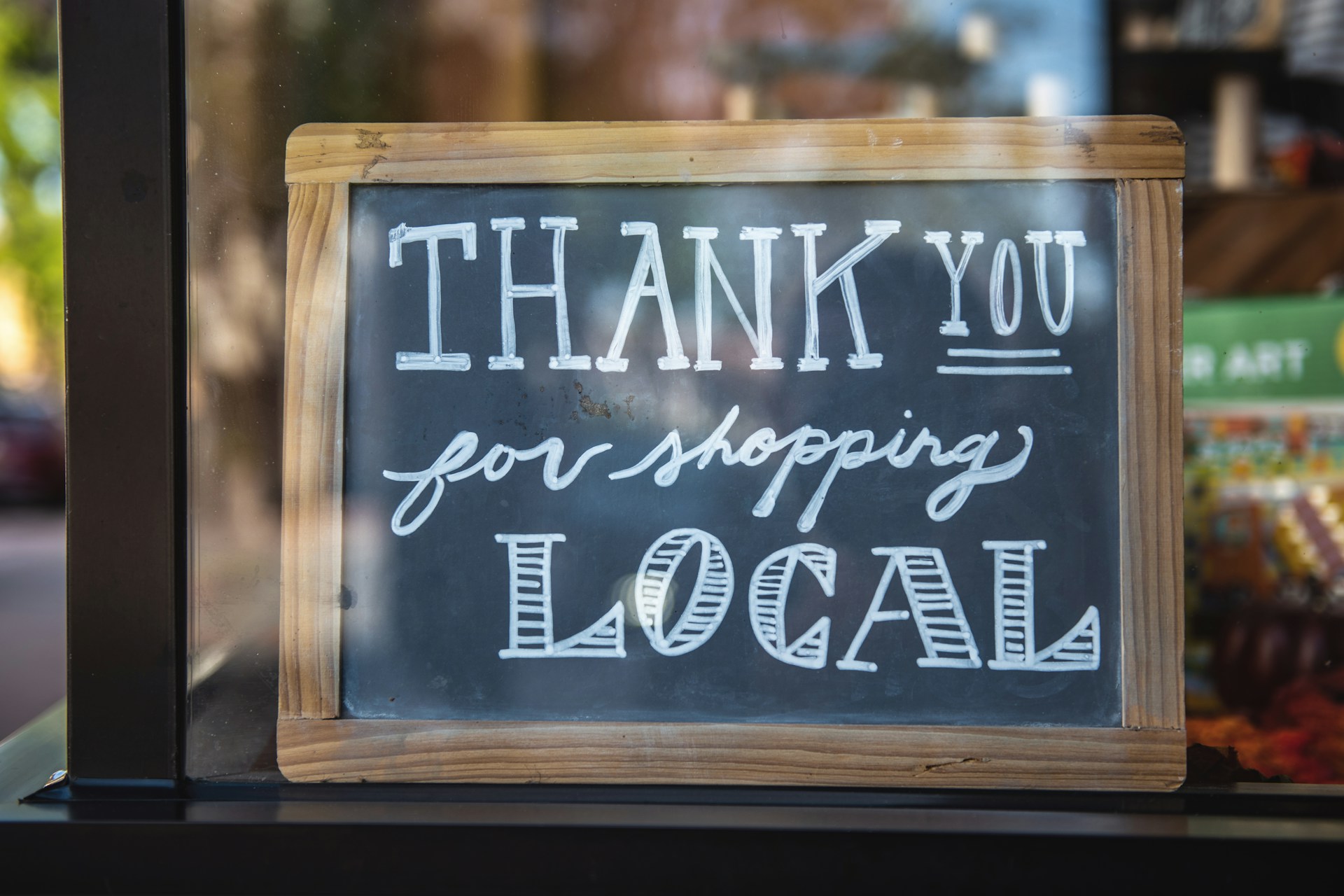
Local businesses tend to sit at the heart of the places they're part of. They're the faces you recognise on the high street, the shops that turn up to support the school fete, the names that quietly become part of everyday life without anyone really noticing it happen. Across Devon, from family-run cafés in Totnes to creative studios in Exeter, this is what gives towns their character.
For these businesses, getting noticed isn't really the challenge. Plenty of people will see you once. The harder job is becoming familiar, becoming someone people trust without having to think about it. Customers tend to remember businesses that feel like they genuinely belong where they are.
None of that starts with a logo. It starts with every small interaction someone has with you, how you answer the phone, how your online replies read, how your team shows up at a local event. Even something as ordinary as what people wear at a community stall plays a part. A lot of Devon businesses have found that heavyweight blank hoodies, printed with their own design, are an easy way to give a team a consistent look without it feeling forced or overly corporate.
What actually makes a business memorable
Here's something small businesses have that bigger companies really struggle to fake: personality. People can usually put a face to the business. They know who's behind the till, who answers the emails, who turns up when something needs sorting.
That familiarity often becomes the strongest part of a business's identity. Someone might remember a helpful chat they had more clearly than anything they actually bought. The atmosphere of a place, the way a business behaves when things go wrong, these things stick.
For most local businesses, recognition builds slowly. It comes from turning up consistently, being reliable, and letting your reputation do the talking over time.
You don't need anything complicated here. Often the businesses people remember best are the ones that know exactly what makes them different, and just say so clearly.
Staying consistent
A business's identity is really just a collection of small details stacked on top of each other. Think about things like:
- How your team speaks to customers, in person or online
- What your shop, van, or workspace actually feels like to be in
- The tone of your social media and emails
- How consistent your team looks at events or during busy periods
None of these need to be perfect. But when they line up with each other, people start to feel like they know what to expect from you, and that's where trust comes from.
This doesn't mean losing what makes you interesting. If anything, local businesses tend to stand out because of their personality, not despite it. Consistency just means making sure that personality actually comes through clearly, rather than getting lost.
Getting involved locally
An identity doesn't form in a vacuum. The businesses that feel most rooted in their communities are usually the ones actually showing up in them, sponsoring the football club, turning up at the farmers' market, lending a hand at a local charity day.
This kind of involvement does something advertising can't: it lets people meet the actual humans behind the business. Seeing a team out supporting something local tends to leave a much bigger impression than a well-placed advert ever could.
If you're regularly out and about, having a recognisable team presence helps too. People spot you faster, remember you more easily, and it just makes the whole interaction feel a bit more natural.
Your team is part of the brand
Staff are often the most visible part of any business. How they talk to customers, what they know, how they handle a bad day, all of it shapes how people see the company as a whole.
This matters even more for smaller businesses, where one team member can genuinely make or break a customer's opinion of the whole place.
Building a shared sense of identity among your team doesn't mean strict dress codes or rigid rules. Most businesses are just looking for small ways to help people feel like they belong, while still letting them be themselves. Something as simple as shared team clothing for busy periods or events can help with that, and when people feel comfortable representing where they work, it tends to show.
Authenticity beats polish
People are paying more attention these days to who they're actually supporting. Not just what a business sells, but who they are and why they exist.
That works in favour of local businesses. You're already tied to your community in a way a national chain can't easily copy. There's usually a real story behind why you started, and that's worth leaning into rather than hiding.
Trying to look bigger or slicker than you are rarely pays off. It's usually better to lean into what actually makes you different, your location, your history, the people who work there.
It all adds up eventually
None of this happens overnight. A recognisable identity gets built slowly, through hundreds of small, repeated moments rather than one clever campaign.
Every conversation, every community event, every small consistent detail adds another layer to how people see you.
For businesses across Devon, being genuinely part of a community is already a strong starting point, one that bigger brands often can't replicate however hard they try. Identity just helps make that connection a little clearer, so the people who already value what you do can recognise you and keep coming back.