





The Hidden Cost of Workplace Injuries: Why Investing in Quality PPE Saves Employers Money
Workplace injuries can disrupt your team and delay a project. They can also lead to an increase in insurance premiums and the loss of talented workers, which majorly affects any business, especially when employees are spending weeks away from work.
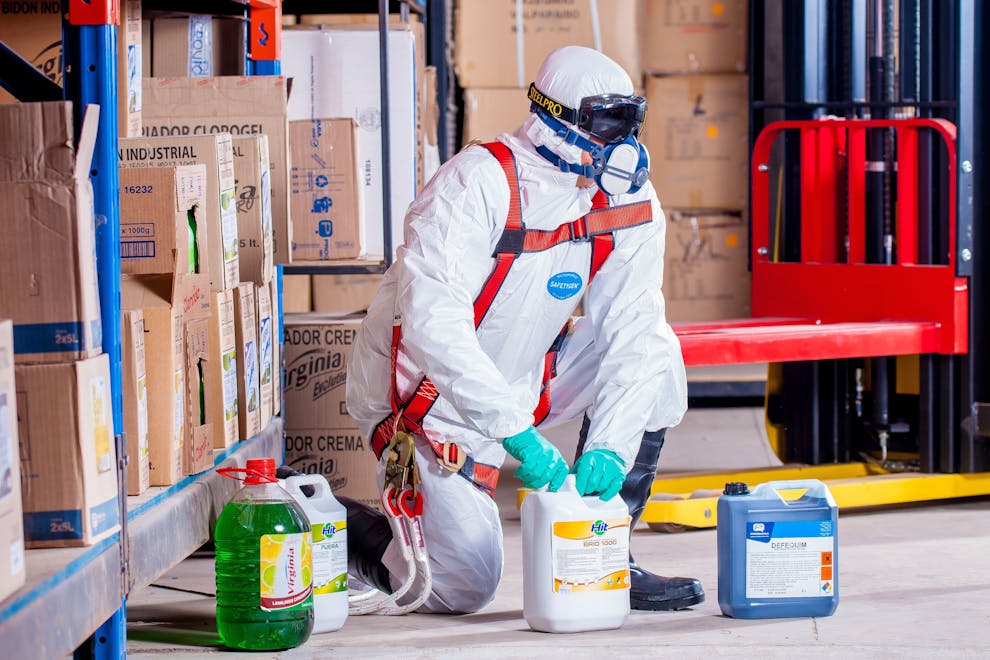
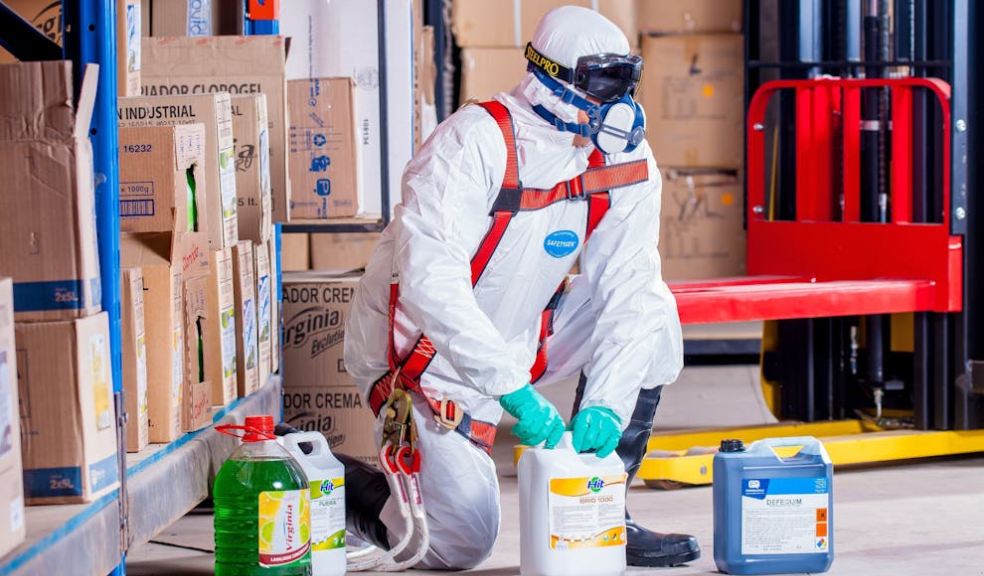
Whether you oversee a construction business or manage a warehouse, having the right health and safety procedures in place is crucial and can help reduce the risk of injury to your staff. Quality personal protective equipment (PPE) is an important area to focus on, offering a practical investment that protects cash flow, planning, and the long-term outlook for your business.
The Rising Economic Burden of Workplace Injuries in the UK
The Health and Safety Executive estimates that work-related injuries and ill health affected 1.9 million workers during 2024/25. When taking into consideration lost output, healthcare, and administrative costs, those injuries/ill-health cases ended up costing the UK £22.9 billion.
For employers, those figures translate into very practical pressures, from disrupted delivery schedules to reduced productivity and damages reputation. Should injuries become routine, you may notice a decrease in morale, which in turn makes retention and recruitment more difficult and costly.
Why PPE Quality and Maintenance Matters
There are lots of PPE out there that can help with preventing injuries. Equipment such as work safety boots are beneficial for many industries as they can help improve grip, offer ankle support, and protect feet if something heavy is dropped.
It’s important that all PPE is of good quality. The British Safety Industry Federation has repeatedly highlighted problems with expired, poorly maintained, or non-compliant PPE which remains in use across UK workplaces, ultimately increasing avoidable risk. If equipment fits properly, meets current standards, and receives regular checks, it reduces slips, crush injuries, and long-term musculoskeletal problems.
Changing Regulation and Employer Responsibilities
You also have to be compliant from a legal standpoint. Regulation is constantly changing and continues to tighten, meaning employers now have a clear responsibility for getting PPE right. In regions such as Devon, this also extends to broader employer health duties, including assessing medical fitness before assigning staff to high-risk tasks like working at height, helping to reduce the likelihood of serious incidents.
The transition to mandatory UKCA marking from 2025 affects how you source compliant equipment, particularly if you buy internationally. At the same time, the PPE at Work Regulation require you to provide suitable protection not only for employees but also for contractors and many gig-economy workers. Failing to reach these requirements means you’re likely to face fines and experience reputational damage that can outweigh the cost of any equipment.
What Sectors Need PPE the Most
Every workplace needs PPE, but some sectors face consistently higher risks. Construction, agriculture, transport and logistics record high injury and fatality rates year after year, according to HSE data on workplace safety. In these environments, PPE is not optional.
When you invest in durable, well-fitted protection and build maintenance into routine operations, you reduce incidents. This subsequently means you avoid halting projects, triggering investigations and damaging trust with clients and regulators alike.