





Essential Marine Safety Equipment for Commercial Vessels
The safety of marine vessels is paramount, with commercial ships required to carry essential equipment to safeguard against emergencies on the open sea. These safety measures are regulated by international conventions and overseen by organizations like the International Maritime Organization (IMO). Ranging from life-saving apparatus to sophisticated navigational aids, the mandated equipment ensures that commercial vessels are prepared for any contingency. By understanding the essentials of marine safety gear, shipowners and operators can not only comply with regulations but also ensure the well-being of their crew and passengers. Keep reading to delve into the crucial realm of marine safety equipment and best practices on commercial vessels.
Regular Maintenance and Training: Ensuring the Effectiveness of Marine Safety Equipment
For marine safety equipment to be effective, it must be properly maintained and regularly inspected. Companies like Universal Safety Ltd. provide essential services such as liferaft servicing, ensuring that critical equipment remains operational and compliant with safety standards. Routine checks are also necessary for communications systems, firefighting gear, protective clothing, and navigational aids.
Besides hardware maintenance, crew members must undergo continuous training to stay familiar with the latest safety procedures and best practices. Drills are conducted regularly to ensure everyone knows their role in emergencies, from man overboard to fire evacuation scenarios.
Investing in quality training simulators and courses not only hones the skills of the crew but also improves their confidence and teamwork capabilities. Efficient and calm responses during an emergency can significantly increase the chances of survival and the successful management of a situation.
Understanding the Basics of Essential Marine Safety Equipment for Commercial Vessels
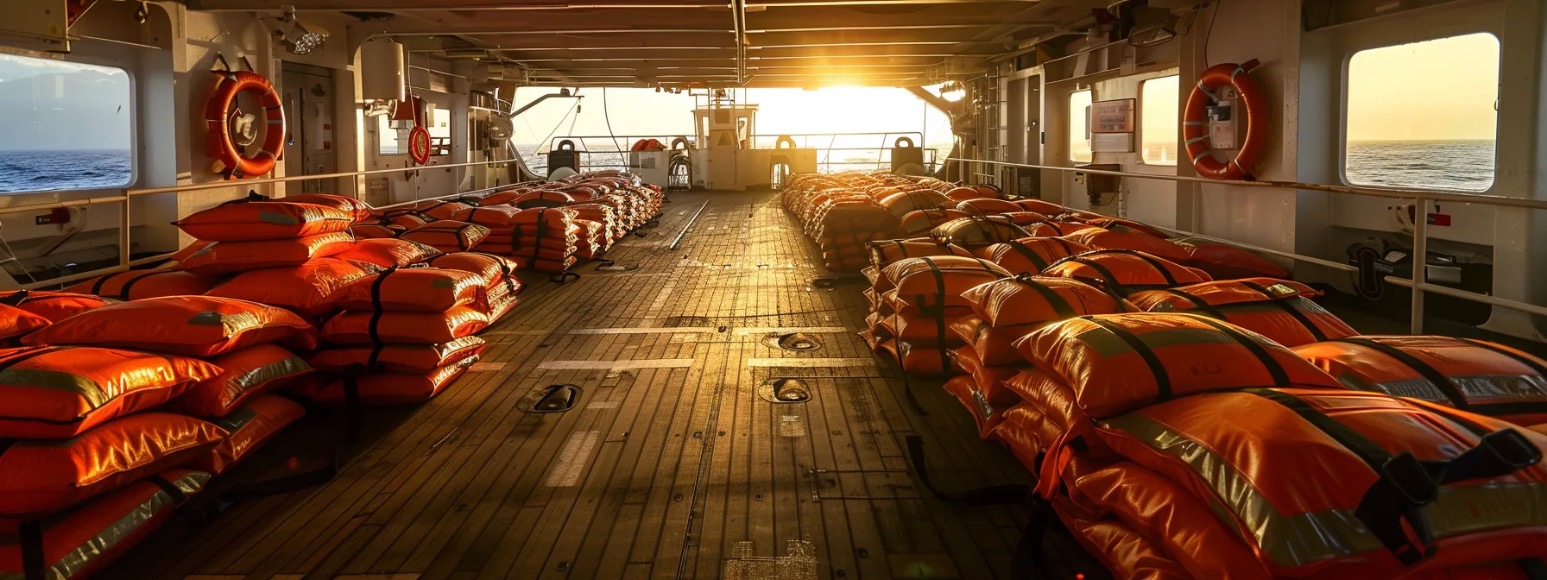
The foundation of marine safety is the provision of proper lifesaving equipment. This includes life jackets, lifebuoys, and adequate lifeboats that are easily accessible in an emergency. Each piece of equipment must meet stringent regulatory standards to assure its effectiveness and durability in harsh marine conditions.
Aside from life-saving gear, emergency positioning radio beacons (EPIRBs) and personal locator beacons (PLBs) play a critical role in locating vessels and individuals in distress. These devices, when activated, transmit a signal to search and rescue services, facilitating a prompt response in dangerous situations.
Signaling devices such as flares, smoke signals, and sound-producing devices are also essential, serving as means for communication and location identification in times of distress. They are an indispensable part of the safety equipment, especially when other communication systems fail.
Personal Protective Gear and Survival Equipment for Crew Members

When it comes to personal safety, crews are equipped with specialized gear. Immersion suits, often referred to as survival suits, are designed to improve a person's chances of survival in cold water. They provide thermal protection and keep the wearer dry, prolonging survival time in the event of immersion.
Meanwhile, thermal protective aids, such as insulated blankets or jackets, are vital for maintaining body temperature in cold climates. Additionally, for those working on deck, hard hats, safety goggles, and protective footwear are essential to safeguard against routine hazards and prevent injuries.
Fire is a perennial threat at sea, which is why fire-retardant clothing and personal breathing apparatus are crucial for crew members, particularly those who may be called upon to fight onboard fires. These personal protective equipment (PPE) are designed to withstand harsh elements and provide a last line of defense against smoke and flames.
Fire Safety Measures and Equipment on Commercial Vessels
Fire safety onboard commercial vessels is addressed through a combination of proactive measures and responsive equipment. Stationary firefighting systems, such as sprinkler systems and gaseous fire suppression systems, are installed in engine rooms and accommodation areas to quickly suppress fires.
Portable firefighting equipment, including extinguishers and fire hoses, must be readily accessible throughout the vessel. Crews are trained to use these tools efficiently, enabling them to respond promptly to any ignition sources that could lead to larger conflagrations.
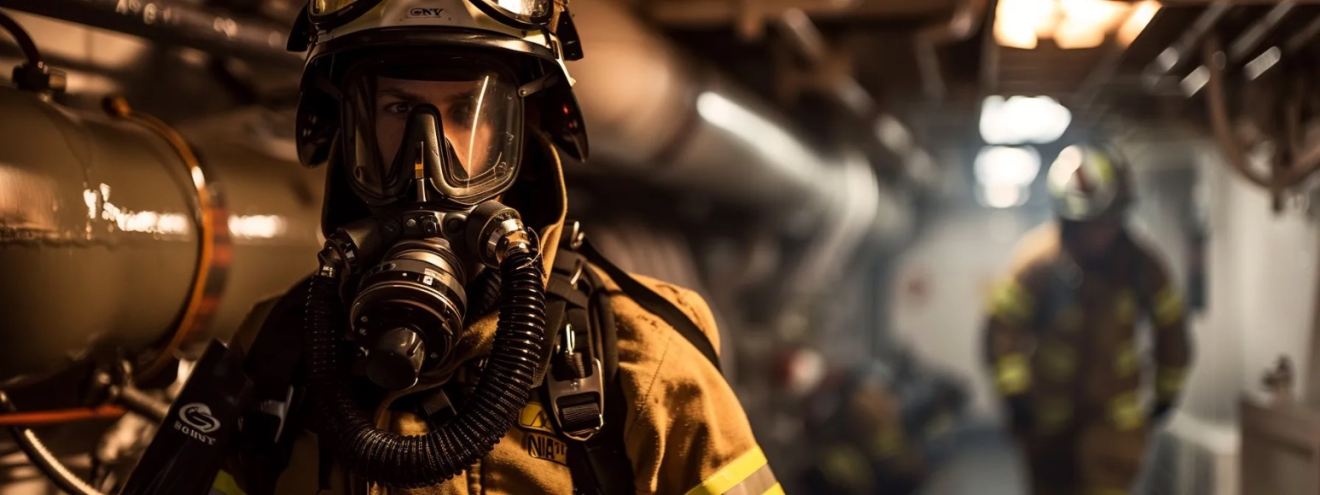
Firefighting suits and self-contained breathing apparatus (SCBA) are provided for crew members tasked with battling fires directly. These suits offer thermal protection and respiratory safety if a crew member needs to enter a smoke-filled area to extinguish a fire or perform a rescue.
Overall, marine safety is a multifaceted challenge that requires comprehensive preparation, robust equipment, and continuous training. By investing in the necessary tools and fostering a culture of safety onboard, commercial vessels can protect their crews, passengers, and cargo from the unpredictable nature of the sea. It is a time-tested commitment to vigilance and readiness that distinguishes a well-prepared vessel from the rest.