






Corporate Gifting Done Right: How to Choose Branded Gifts That Strengthen Business Relationships
Corporate gifting is one of those business practices that sits at the intersection of strategy and relationship building. Done well, it reinforces client loyalty, recognises employee contribution, and signals a level of care and attention that generic transactions cannot replicate. Done poorly, it results in a pile of logoed stress balls that end up in desk drawers and are forgotten within a week. The difference between a gift that lands well and one that misses entirely often comes down to the level of thought applied to selection, personalisation, and timing.
The market for corporate gifts has changed substantially. Companies that used to rely on the standard selection of branded pens, mugs, and notepads are increasingly aware that recipients have expectations shaped by the quality of consumer products they encounter personally. The corporate gift that impresses today is not the same one that worked a decade ago, and businesses that have not updated their approach to gifting are handing a differentiation opportunity to competitors who have.
Why Corporate Gifting Still Matters
In an era of digital communication and remote working, physical gifts carry a different weight than they once did. When most business relationships are maintained through video calls, email threads, and online platforms, receiving something tangible sends a signal that cuts through the digital noise. It requires someone to make a deliberate decision, place an order, and ensure delivery. That deliberateness is part of the message.
Research consistently shows that recipients of well-chosen corporate gifts report stronger feelings of loyalty and connection toward the giving organisation. For client relationships, this translates to improved retention and a higher likelihood of referrals. For employee recognition, thoughtful gifts are associated with higher engagement and the kind of positive word-of-mouth that supports recruitment and employer brand.
The key phrase in both cases is "well-chosen." The positive effects of corporate gifting are attributed to gifts that feel considered and appropriate. Generic gifts, particularly those that feel like minimum required effort, can actually have a neutral or even slightly negative effect on the relationship, suggesting that the sender views the recipient as an undifferentiated placeholder rather than a valued individual or partner.
What Makes a Corporate Gift Work
Several factors determine whether a corporate gift achieves its intended purpose or falls flat.
Quality is the first and most fundamental consideration. A gift that feels cheap communicates something about how the giver values the recipient and, by extension, how they view the relationship. In a business context, this perception attaches to the brand. Investing in higher-quality items may mean sending fewer gifts, but the impression created by a single well-made item is typically more positive than several lower-quality ones.
Relevance to the recipient matters considerably. The most effective corporate gifts reflect some understanding of the person or organisation receiving them. This does not require deep personal knowledge but does require more than selecting from the default catalogue. Industry-relevant gifts, locally significant items, or gifts that align with the recipient's professional context feel more intentional than purely generic choices.
Branding should be present but not dominant. The purpose of a corporate gift is not primarily to create a walking advertisement, it is to create a positive association and strengthen a relationship. Branding that enhances the gift rather than overwhelming it achieves both purposes. Subtle, well-placed branding on a quality item is more effective than a large logo applied to a mediocre product.
Timing also influences impact. Client gifts timed to milestones such as contract renewals, project completions, or significant business anniversaries carry more meaning than arbitrary gifting. Employee recognition gifts delivered close to the achievement being recognised reinforce the connection between effort and appreciation.
Categories of Corporate Gifts That Consistently Perform
Certain product categories have established track records in corporate gifting not because they are conventional but because they align with the factors that make gifts effective.
Premium drinkware, including insulated travel mugs, water bottles, and branded glassware sets, scores consistently well because it is practical, visible, and used repeatedly. Every use of a quality branded travel mug is a moment of positive association with the gifting company. The category rewards quality investment because the difference between a premium insulated bottle and a basic one is immediately apparent and felt daily.
Technology accessories have become increasingly popular as the workplace has shifted toward remote and hybrid models. Charging pads, portable power banks, cable organisers, webcam covers, and quality earbuds serve daily professional needs in a way that is appreciated precisely because it acknowledges how people actually work now.
Wellness and self-care gifts reflect a broader cultural shift toward recognising the whole person rather than just the professional. Curated wellness boxes, premium skincare sets, and similar products connect to values that many recipients hold personally. This category requires care in selection to avoid presuming too much about personal preferences, but well-chosen options often generate the warmest responses.
Experiences, either in the form of vouchers or curated event access, have the highest potential impact but also the highest variability. They work best when genuinely tailored to the recipient's interests and most practical when the logistics of redemption are straightforward.
Businesses that invest in Corporate Gifts sourced through specialist providers gain access to quality control and customisation that generic merchandise platforms rarely offer, which directly affects how the gift is received and what impression it leaves.
Building a Corporate Gifting Programme
Ad-hoc corporate gifting, where gifts are chosen reactively in response to occasions, is better than no gifting but leaves considerable value on the table. Businesses that establish a structured approach to corporate gifting typically see more consistent results from their investment.
A structured programme starts with segmentation. Not all clients or employees have the same relationship with the business, and the gifting approach should reflect these differences. Key clients who represent significant revenue, strategic partners whose relationship matters beyond immediate financial value, and new clients being welcomed into the relationship all warrant different approaches and appropriate budget levels.
Timing frameworks bring predictability and consistency. Establishing a calendar of gifting occasions, whether tied to the business calendar, industry events, or personal milestones like work anniversaries, ensures that gifting happens deliberately rather than being forgotten until the last minute.
Procurement planning allows better quality at lower unit costs. Advance procurement rather than reactive ordering enables negotiation, better lead times for customisation, and the ability to select from a broader range of suppliers. It also allows the gifting programme to be reviewed and improved year on year rather than repeated identically regardless of results.
Getting the Logistics Right
The practical execution of corporate gifting is where many programmes run into difficulty. Late deliveries, quality issues that only become apparent upon arrival, and impersonal packaging undermine the positive effect of even well-selected gifts. Getting logistics right is not glamorous, but it is essential.
Working with a supplier that has robust quality control and reliable delivery timelines removes a significant source of risk. Verifying product quality before placing large orders, building adequate lead time into the procurement schedule, and attending to packaging and presentation details are all worth the additional effort they require.
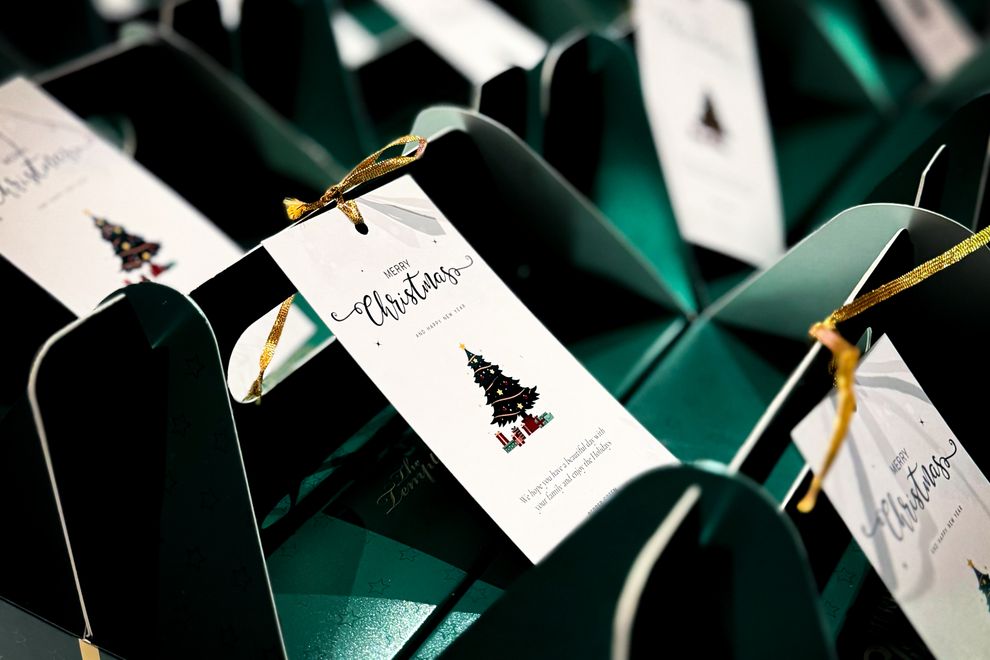
Personalisation at scale requires systems and supplier capability. Engraving, custom labelling, handwritten notes, and individual packaging all add to the impact of a corporate gift. Suppliers who can accommodate these elements at meaningful volumes without prohibitive cost enable businesses to deliver better experiences without unsustainable manual effort.
The Environmental Dimension of Corporate Gifting
A growing number of businesses are factoring sustainability into their corporate gifting decisions, both because it aligns with their own values and because recipients increasingly notice and appreciate it. Gifts made from sustainable materials, sourced ethically, or designed for longevity rather than single use align with the direction that corporate responsibility programmes across many industries are moving.
Reusable products have an inherent sustainability advantage over single-use items, which is another reason why premium drinkware and quality accessories tend to perform well in this regard. Packaging choices, including the reduction of excess plastic and the use of recycled or recyclable materials, contribute to the overall impression of a thoughtful and responsible brand.
For businesses that have sustainability goals as part of their wider strategy, ensuring that their gifting programme reflects those values is a matter of consistency. The values a company communicates externally should be legible in the choices it makes when selecting how to treat its clients and employees.
Frequently Asked Questions
What is an appropriate budget for corporate gifts?
Budget varies considerably by recipient tier, industry norms, and the nature of the relationship. Client gifts typically range from modest branded items at the lower end to premium experiences or high-quality goods at the top. Employee recognition gifts often align with tenure or achievement significance. Establishing clear budget guidelines per tier helps the programme scale consistently.
Should corporate gifts always be branded?
Branding is generally appropriate in corporate gifting but should be proportionate to the gift. Subtle, quality branding on a well-made item is almost always better than prominent branding on a basic one. For the highest-tier gifts, some businesses choose items without direct branding, relying on the quality and context of the gift to make the association.
How should corporate gifts be handled for international recipients?
Cultural norms around gifts vary significantly across countries. Research the conventions of the recipient's cultural context, be mindful of any regulatory restrictions on business gifts in their jurisdiction, and ensure that delivery logistics to international addresses are properly accounted for.
Can corporate gifting be written off as a business expense?
Tax treatment of business gifts varies by jurisdiction and is subject to specific conditions and limits. In the UK, HMRC has specific rules regarding the deductibility of business gifts. Consulting an accountant for the correct treatment in your specific situation is advisable before making gifting decisions based on tax assumptions.
What is the best way to personalise corporate gifts at scale?
Working with specialist suppliers who have the capability for batch personalisation, whether through engraving, digital printing, or custom packaging, is the most practical approach. Establishing templates and systems for collecting recipient details, and building adequate lead time for personalisation into the procurement schedule, makes the process manageable even at high volumes.