





What can you actually pawn?
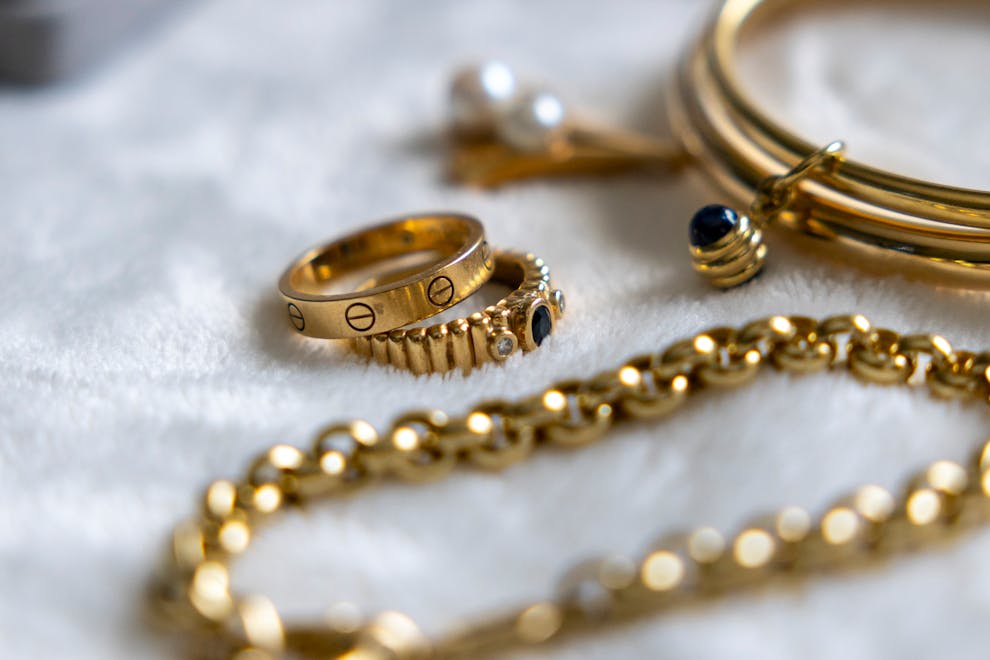
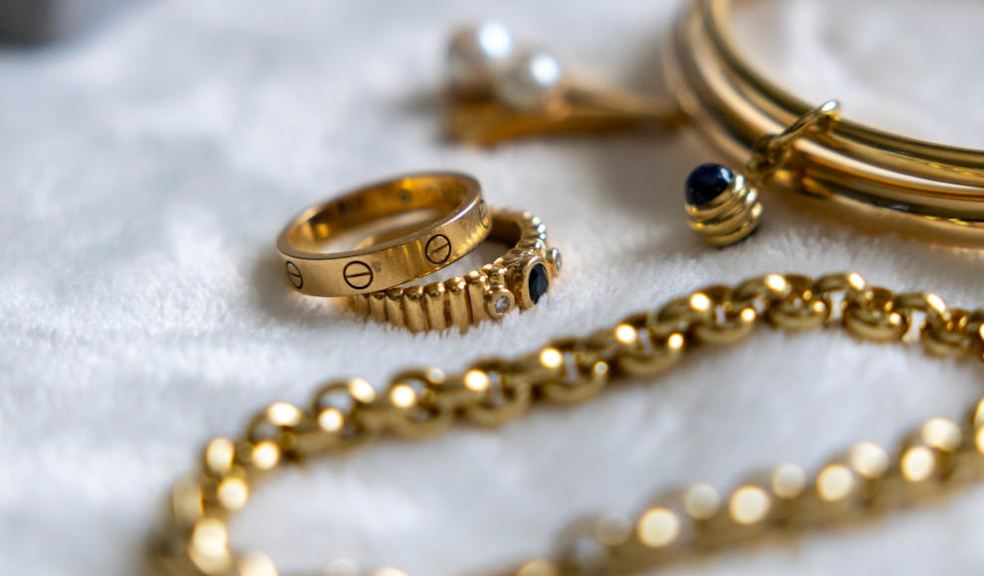
Most people picture gold rings and chunky watches when they think about pawning something. Jewellery has always been a safe bet, but you'd probably be surprised by how many other things sitting around your home could be worth a loan.
These days, pawnshops accept a variety of items and, whether you need cash to cover a car repair or bridge the gap before payday, understanding what these are can take can save you a lot of time and guesswork.
What's usually accepted?
Gold, silver and diamond jewellery are usually considered the key items. A broker can test the metal, weigh it and come up with a figure quickly, which makes jewellery one of the fastest items to get a loan against. Watches from well-known brands like Rolex or Omega also tend to do well, especially if you still have the box and paperwork.
Laptops, tablets, smartphones and gaming consoles all hold decent resale value when they're in good condition. If you're bringing in a MacBook, for example, make sure it's been wiped and charged.
Power tools and camera equipment are also typically accepted. A decent DSLR body with a lens or two, or a DeWalt drill set in its original case, can fetch a reasonable amount because there's a reliable second-hand market for both.
Surprising items that might add value
Here's where it gets interesting. Some pawnbrokers will accept luxury handbags from brands like Louis Vuitton or Chanel, particularly if the bag is a recognisable style and in good nick.
Musical instruments can work too. A Fender Stratocaster or a solid Yamaha acoustic guitar appeals to a wide pool of buyers, which gives the broker confidence they can move it if you don't come back. Collectibles like rare coins, vinyl records or branded sneakers sometimes get a look-in as well, though this depends heavily on whether the broker has the expertise to value them properly.
The key thing to remember is that a pawnbroker needs to resell the item if you default, so they'll only lend against things they know they can price accurately and move on quickly. Niche items with a small audience are a harder sell.
What affects how much you get?
Condition is the most important factor, and two identical watches can get wildly different offers if one has scratches across the face and the other looks barely worn. Bringing original packaging, receipts or certificates of authenticity also helps.
Brand recognition plays a big role too. A broker doesn't need to research an item from Apple or Cartier, as they already know there's demand. Lesser-known brands might still get accepted but expect a more conservative offer.
Remember that the industry is regulated by the Financial Conduct Authority, so you've got proper consumer protections in place if you do choose to use a pawnbroker. But it's worth keeping in mind that pawn loans are classed as high-cost credit, so if you're dealing with wider debt problems, seek free debt advice before borrowing.