





Walking the Coast in Comfort: Choosing Shoes for Active Days Out
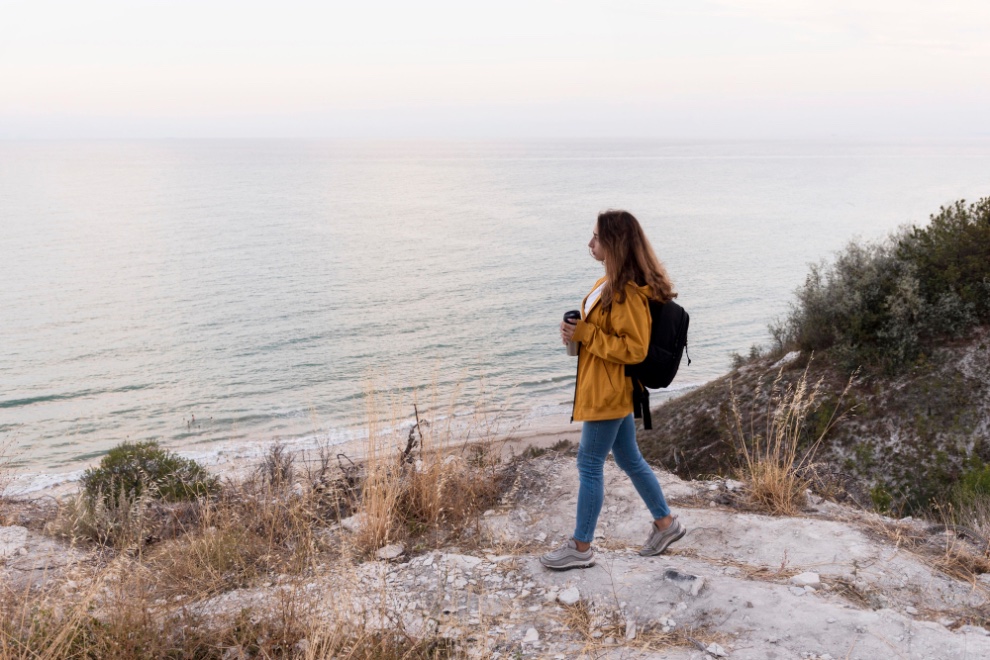
There’s something truly special about a day spent by the sea. Fresh air, sweeping views, the sound of waves and the simple joy of moving outdoors can lift the mood instantly. Whether you’re strolling along a sandy beach, exploring cliff-top paths or wandering through seaside towns, the right footwear makes all the difference. A well-chosen pair of women's comfortable shoes allows you to focus on the experience rather than your feet, turning a pleasant outing into a genuinely restorative one.
Understanding the Challenges of Coastal Walking
Varied Terrain Underfoot
Unlike flat pavements, coastal routes often include a mixture of surfaces. Each surface places different demands on your feet and balance.
Supportive shoes with good grip help you stay steady on loose or uneven ground. Cushioned soles absorb impact when walking on harder sections, while flexible materials allow natural movement across softer terrain. Without these features, fatigue can set in quickly, particularly if you’re covering several miles.
Cliff paths, in particular, require stability. Even gentle slopes can feel tiring without proper support, and uneven ground increases the risk of slipping or turning an ankle. Footwear designed for all-day wear helps maintain confidence as you move.
Distance Adds Up Quickly
A leisurely coastal stroll can easily turn into a longer adventure than planned. Beautiful viewpoints, hidden coves and inviting cafés encourage exploration, and before you know it, you’ve walked far further than intended.
This is where comfort becomes essential. Shoes that distribute pressure evenly across the foot reduce strain on joints and muscles, helping prevent soreness later in the day. Proper arch support can also improve posture and alignment, reducing tension in the legs and lower back.
If you’re walking with family or friends, comfortable footwear allows you to keep pace without feeling rushed or left behind. It ensures the outing remains enjoyable for everyone.
Weather and Coastal Conditions
Seaside weather can change quickly. A bright morning may give way to wind, drizzle or cooler temperatures later in the day. Even on dry days, coastal air often carries moisture, which can make surfaces slippery.
Shoes with breathable yet durable materials help keep feet comfortable in changing conditions. Good traction is particularly important on damp rocks or wooden walkways, where ordinary footwear may struggle to provide grip.
Style Meets Practicality
Looking Good While Staying Comfortable
Active days out don’t mean abandoning style. Many modern shoes combine practical features with clean, attractive designs that work just as well for lunch in a seaside café as they do for walking along the coast.
Neutral colours and streamlined shapes make it easy to pair one dependable pair with a variety of outfits. Whether you prefer jeans, leggings, casual dresses or shorts, versatile footwear can complete your look without compromising comfort.
This balance is especially useful if your day includes both outdoor activity and social plans. You can move seamlessly from exploring coastal paths to browsing local shops or enjoying dinner without needing to change shoes.
Confidence From Stability
Feeling secure underfoot boosts confidence, particularly on unfamiliar terrain. When your shoes provide reliable support, you’re more willing to venture further, climb viewpoints or explore less crowded paths.
This confidence enhances the overall experience. Instead of worrying about slipping or sore feet, you can focus on the scenery, conversations and sense of freedom that comes with being outdoors.
Comfort also encourages better posture. Standing tall and walking naturally not only feels better physically but also contributes to a relaxed, self-assured appearance.
Choosing the Right Shoes for Coastal Days Out
Devon’s social calendar is packed with lively weekend events, from food festivals to seaside celebrations, making comfortable footwear essential if you plan to spend hours on your feet enjoying everything the region has to offer.
Fit Comes First
No matter how stylish or well-made a shoe may be, it won’t perform properly if the fit isn’t right. Shoes that are too tight can cause pressure points and blisters, while those that are too loose may lead to rubbing or instability.
Trying shoes on later in the day, when feet are slightly more swollen, can provide a more accurate sense of comfort during extended wear. Allowing enough room for toes to move naturally is also important, particularly when walking downhill.
Cushioning and Support
Look for shoes with adequate cushioning to absorb shock on harder surfaces. Arch support helps distribute weight evenly, reducing strain on the feet and legs. A supportive heel area can improve stability, especially on uneven ground.
Lightweight designs are often preferable for longer walks, as heavy shoes can contribute to fatigue. However, they should still feel sturdy enough to protect your feet from stones or rough terrain.
Breathability and Practical Features
Feet can become warm during extended activity, even in cooler weather. Breathable materials help regulate temperature and reduce moisture build-up, keeping feet comfortable throughout the day.
Secure fastening systems allow you to customise the fit and prevent slipping inside the shoe. This is particularly useful on inclines or uneven surfaces.
Planning Ahead
If you’re heading out for a full day, consider packing essentials such as plasters, spare socks or a light waterproof layer. Being prepared helps you handle minor issues without disrupting your plans.
Staying hydrated and taking short breaks can also prevent fatigue. Comfortable shoes support your efforts, but pacing yourself ensures you enjoy the journey rather than simply enduring it.
Image from Freepik.