





Ten Reasons People Choose Implants Over Dentures
Many adults seeking a long-term solution for missing teeth look for treatment options that offer stability, appearance, and everyday confidence. Dental implants have become a frequent choice for patients in London who want a more permanent alternative to removable dentures. People often discuss the impact of comfort, bite function, and aesthetics when comparing the two, and these practical considerations influence the decision more than anything else.
According to Dr. Sahil Patel of MaryleboneSmileClinic, implants continue to attract patients who want a dependable, integrated replacement for missing teeth rather than a removable option. He explains that implants offer a reliable foundation for daily function and tend to suit individuals looking for a stable long-term solution that feels closer to natural teeth. He adds that anyone considering treatment should review the full range of benefits and limitations before committing, and those wanting further guidance can click here through the clinic’s website for more details on suitability and care expectations.
Stability and Everyday Confidence
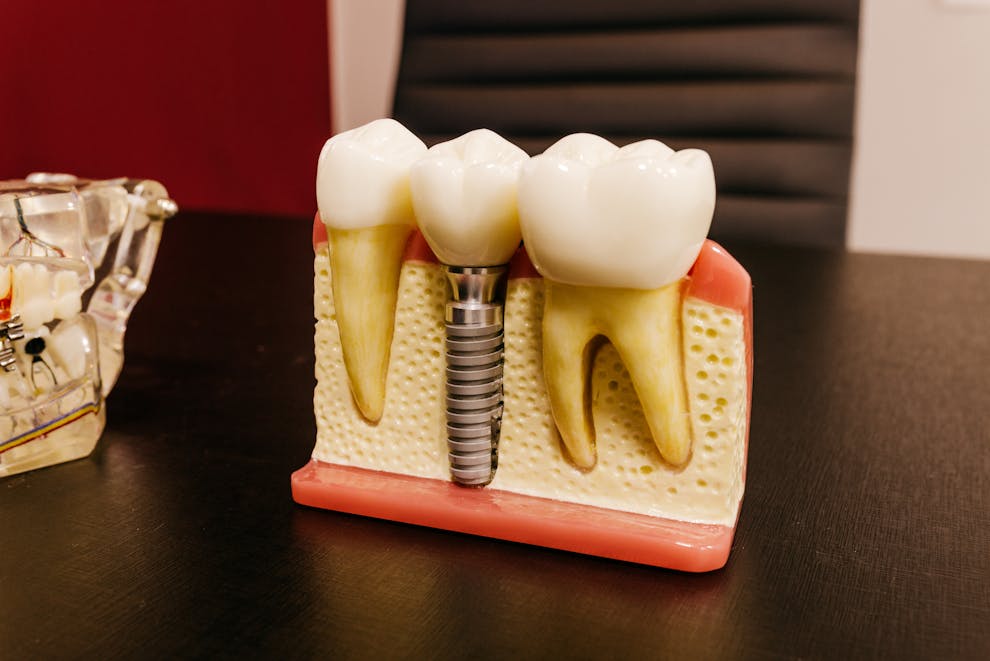
One of the main reasons people favour implants over dentures is the stability provided by implants being anchored into the jawbone. Denture wearers commonly report concerns about movement during speaking or eating, and while modern dentures fit far better than earlier versions, they are still limited by the natural changes in the mouth over time. Implants remove the worry of slippage entirely, giving users reassurance in everyday interactions. This level of stability can significantly change how a patient approaches social settings, mealtimes, and public speaking, because the restoration remains secure without the need for adhesives. Patients find that this encourages greater self-assurance and makes dental maintenance feel more predictable. Transitioning from dentures to implants is often described as moving from a removable appliance to a functional part of the body, which is why many people consider it a worthwhile investment. Confidence is an underlying theme across implant testimonials, as individuals frequently value the secure bite and dependable comfort that dentures sometimes struggle to replicate.
Natural Appearance and Facial Support
Implants are designed to replicate the appearance and shape of natural teeth, which strongly appeals to patients seeking an aesthetic improvement alongside functional restoration. Dentures can provide an attractive smile, but the removable nature of the appliance can occasionally affect the way light reflects off the teeth or how the gums appear around the edges. Implants integrate with the bone and allow crowns to emerge through the gumline more similarly to natural teeth, helping them blend seamlessly into the overall smile. Moreover, implants assist with facial structure by supporting the jawbone, which reduces the risk of sunken areas or premature ageing around the mouth. This occurs because implants stimulate the bone in a way dentures cannot. When bone loss progresses, denture fit can become increasingly challenging, often requiring adjustments. Implants, by contrast, maintain the natural contours of the face, enabling patients to preserve their appearance more consistently over time. It is a factor that many patients discuss with a cosmetic dentist London clinics provide, particularly when long-term aesthetics are a priority.
Bone Preservation and Long-Term Oral Health
Implants play an important role in preserving the jawbone by providing stimulation similar to that of natural tooth roots. Without this stimulation, the bone gradually deteriorates, which is a natural response when teeth are missing. Dentures sit on top of the gums without interacting with the bone beneath, so although they restore some function, they do not address the biological need for bone engagement. Patients who choose implants often cite this benefit as essential for long-term oral health because maintaining bone volume helps preserve facial structure, bite alignment, and stability in surrounding teeth. As bone loss continues, denture fit changes and may cause sores, discomfort, or reduced chewing efficiency. Implants mitigate these issues by halting the resorption process in the treated area. This preservation effect is particularly meaningful for patients replacing multiple teeth, as the cumulative impact on bone health can be significant over the years. Those considering treatment frequently appreciate the additional reassurance implants offer in maintaining their overall oral health and reducing future complications. This contributes to the perception of implants as a modern, medically supportive option rather than simply a cosmetic upgrade.
Superior Bite Strength and Dietary Freedom
Many patients notice a dramatic change in what they can eat once they transition from dentures to implants. Dentures provide functional chewing but can struggle with harder or stickier foods, leading wearers to avoid certain items for convenience or comfort. Implants allow a stronger bite force because they are integrated into the bone, acting similarly to natural tooth roots. This means patients can enjoy a varied diet, which supports both nutrition and social enjoyment around meals. Real food texture is important to many people, and implants restore the confidence to bite into apples, chew crusty bread, or enjoy foods that previously felt difficult with dentures. The dietary flexibility also contributes to digestive health, as efficient chewing assists the body in processing meals more effectively. Patients often report feeling they have regained a part of their lifestyle that was missing, particularly when eating in restaurants or family gatherings. This heightened function is frequently highlighted in consultations because it addresses practical concerns beyond appearance alone. In situations where people want both reliability and everyday normality, implants consistently meet expectations in a way dentures may not always achieve.
Improved Speech and Oral Comfort
Dentures can occasionally affect speech patterns, especially when they are newly fitted or when the fit changes due to bone resorption. Words that require precise tongue placement can sound different if the denture base interferes with natural movement. Implants, however, behave like natural teeth and do not add extra volume to the mouth, helping patients speak without obstruction. This becomes particularly beneficial for those whose professions require public speaking or regular conversation. Furthermore, implants remove the common discomforts associated with denture rubbing, adhesives, or gum irritation. Since implants sit within the bone, there is no shifting surface that can cause friction. Patients often describe a sense of returning to normal oral comfort, without the awareness of a removable device. Over time, this contributes to improved quality of life because activities such as laughing, eating, and speaking become more spontaneous. For individuals sensitive to changes in oral environment, this natural feel is a meaningful advantage. Discussions with a cosmetic dentist London patients consult often highlight comfort and speech clarity as essential outcomes influencing patient decisions, especially among those who want a solution that integrates effortlessly into daily life.
Longevity, Predictability, and Investment Value
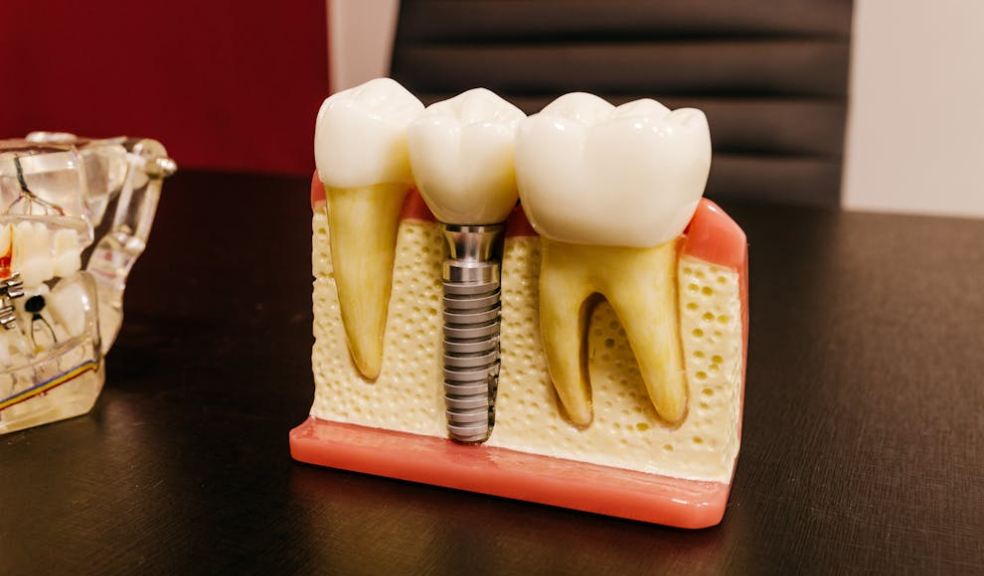
Another reason many people choose implants over dentures relates to longevity. While dentures typically require adjustments or replacements as the shape of the mouth changes, implants can last decades with proper care. Although dentures remain a cost-effective option upfront, implants are often viewed as a long-term investment because they reduce the need for repeated refitting or replacement. The titanium posts used in implant treatment are exceptionally durable, and once fused with the bone, they form a stable foundation for crowns or bridges. Patients who prefer predictable outcomes tend to value this reliability. Maintenance for implants is similar to caring for natural teeth, involving regular brushing, flossing, and routine dental visits. This familiarity helps individuals feel more in control of their oral health. Additionally, implants help stabilise neighbouring teeth, preventing unwanted movement that can sometimes occur when gaps are left untreated. The cumulative long-term benefits often outweigh the upfront investment for many patients, especially those who want a solution that will serve them well later in life. By choosing implants, they often feel they are securing both their future dental health and day-to-day quality of life.
Personalisation, Confidence, and Lifestyle Compatibility
Implants allow for highly tailored treatment planning because each implant, crown, and restoration is designed to match the patient’s unique dental structure. Modern imaging and digital planning help ensure precise placement and natural-looking results. For many individuals, this level of personalisation contributes to restored confidence because the final result enhances both appearance and function. Dentures can also be custom-made, but implants create a fixed solution that better mirrors the experience of natural teeth. The lifestyle compatibility of implants is another key motivator for patients who travel, work long hours, or simply prefer low-maintenance solutions. Without the need for adhesives, daily removal, or special soaking routines, implants fit more seamlessly into modern routines. People frequently express a sense of independence with implants, appreciating that they do not have to worry about carrying denture cases or dealing with unexpected looseness. These factors unite to create a feeling of returning to normality, which is often a deciding factor. For those who value authenticity, convenience, and a long-lasting restoration, implants offer a combination that consistently earns patient approval.
Conclusion
Dental implants provide a dependable, long-term alternative for patients comparing them with traditional dentures. Their popularity stems from stability, appearance, oral health benefits, and the natural feel they offer. Patients often find that implants support their lifestyle and restore aspects of daily life that dentures cannot always match. Whether the priority is confidence, comfort, or long-term maintenance, implants remain a preferred option for many seeking a reliable and natural-looking solution for missing teeth.